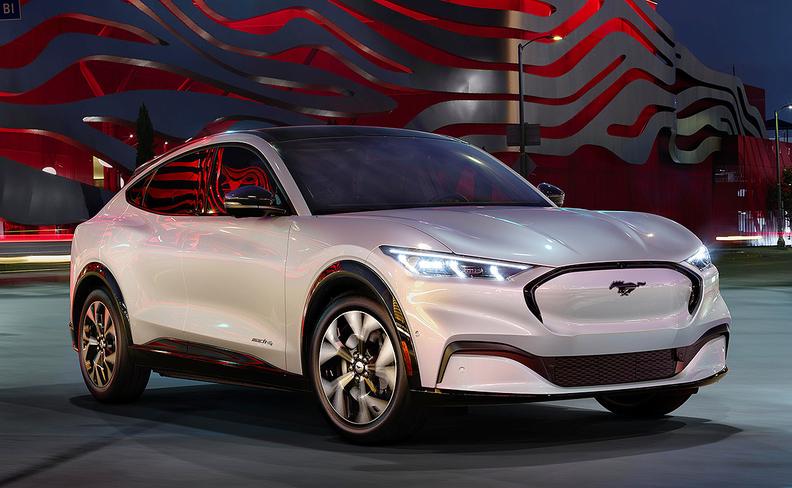
Ford Motor Co and Hyundai Motor Co are discussing with Indonesia how to establish operations related to electric vehicles there, according to Indonesia Coordinating Minister for Economic Affairs, Airlangga Hartarto, told an audience in Washington, D.C. on Thursday.
In July, Ford, nickel miner Vale Indonesia, and China's Zhejiang Huayou Cobalt announced they had signed a non-binding memorandum of cooperation to build a plant in Indonesia to extract nickel chemicals.
Indonesia is also in discussions with Hyundai and LG Energy Solution over battery and EV investments.
According to Hatarto, Indonesia has raw materials for EV battery technologies, and their large supplies of nickel and semiconductor production capacity can support the US auto industry.



Amazon Stock Dips as Reports Link Company to Potential $50B OpenAI Investment
Sandisk Stock Soars After Blowout Earnings and AI-Driven Outlook
Apple Forecasts Strong Revenue Growth as iPhone Demand Surges in China and India
Bob Iger Plans Early Exit as Disney Board Prepares CEO Succession Vote
Trump to Announce New Federal Reserve Chair Pick as Powell Replacement Looms
Wall Street Slips as Tech Stocks Slide on AI Spending Fears and Earnings Concerns
UK Vehicle Production Falls Sharply in 2025 Amid Cyberattack, Tariffs, and Industry Restructuring
Panama Supreme Court Voids Hong Kong Firm’s Panama Canal Port Contracts Over Constitutional Violations
Asia Stocks Pause as Tech Earnings, Fed Signals, and Dollar Weakness Drive Markets
Fertile land for growing vegetables is at risk — but a scientific discovery could turn the tide
Indonesian Stocks Plunge as MSCI Downgrade Risk Sparks Investor Exodus
Oil Prices Surge Toward Biggest Monthly Gains in Years Amid Middle East Tensions
U.S. Government Faces Brief Shutdown as Congress Delays Funding Deal
Meta Stock Surges After Q4 2025 Earnings Beat and Strong Q1 2026 Revenue Outlook Despite Higher Capex
Asian Stocks Waver as Trump Signals Fed Pick, Shutdown Deal and Tech Earnings Stir Markets
Oil Prices Hit Four-Month High as Geopolitical Risks and Supply Disruptions Intensify 


