Ford Motor Company issued a new recall for its F-150 Lightning to resolve the issue with battery packs that are reportedly catching fire. The problem led to the halt of production for more than a month but as the company was able to pinpoint the defect, it will not resume the manufacturing of the electric pickup trucks.
As per Fox Business, this new recall only affects 18 units of F-150 Lightnings. Ford Motor learned about the problem with the vehicle’s battery pack when a parked truck at the company’s holding space in Dearborn, Michigan, caught fire on Feb. 4. It was fortunate that it happened before the units were shipped out.
"Production is on track to resume Monday with a clean stock of battery packs," the company’s spokesperson said.
The American automaker said Ford Motor found the defect. The conclusion was that the battery cells in F-150 Lingtnings came from a Georgia factory being operated by South Korean battery maker SK On Co.
The company still issued the recall because 18 electric pickup trucks were already delivered to dealers and customers before it suspended the production and shipments. The battery packs in these vehicles are set to be replaced. Ford Motor did not mention the total number of undelivered F-150 Lightnings that needed to be repaired.
In any case, the Michigan headquartered automaker said again that it was the problem with SK On battery packs that made it decide to stop the production last month. The Korea Herald reported that it seems the company is blaming the Korean battery maker for the fire.
SK On already said before that its battery packs are not the culprit in Ford’s fire issue. A company official simply said, “The pickup trucks under recall do not have problems rooted in battery technology.”
Then again, experts opined that even if it was not SK On’s fault, Ford Motor could still ask it to cover the expenses for the recall or hold them responsible for the incidents.
“Although Ford might be responsible for carrying out a faulty manufacturing process, it is hard to prove the exact case of defect in electric cars,” an engineering professor at Daelim University, Kim Pil Su, said. “Also, Ford has the upper hand as a customer company over SK On.”
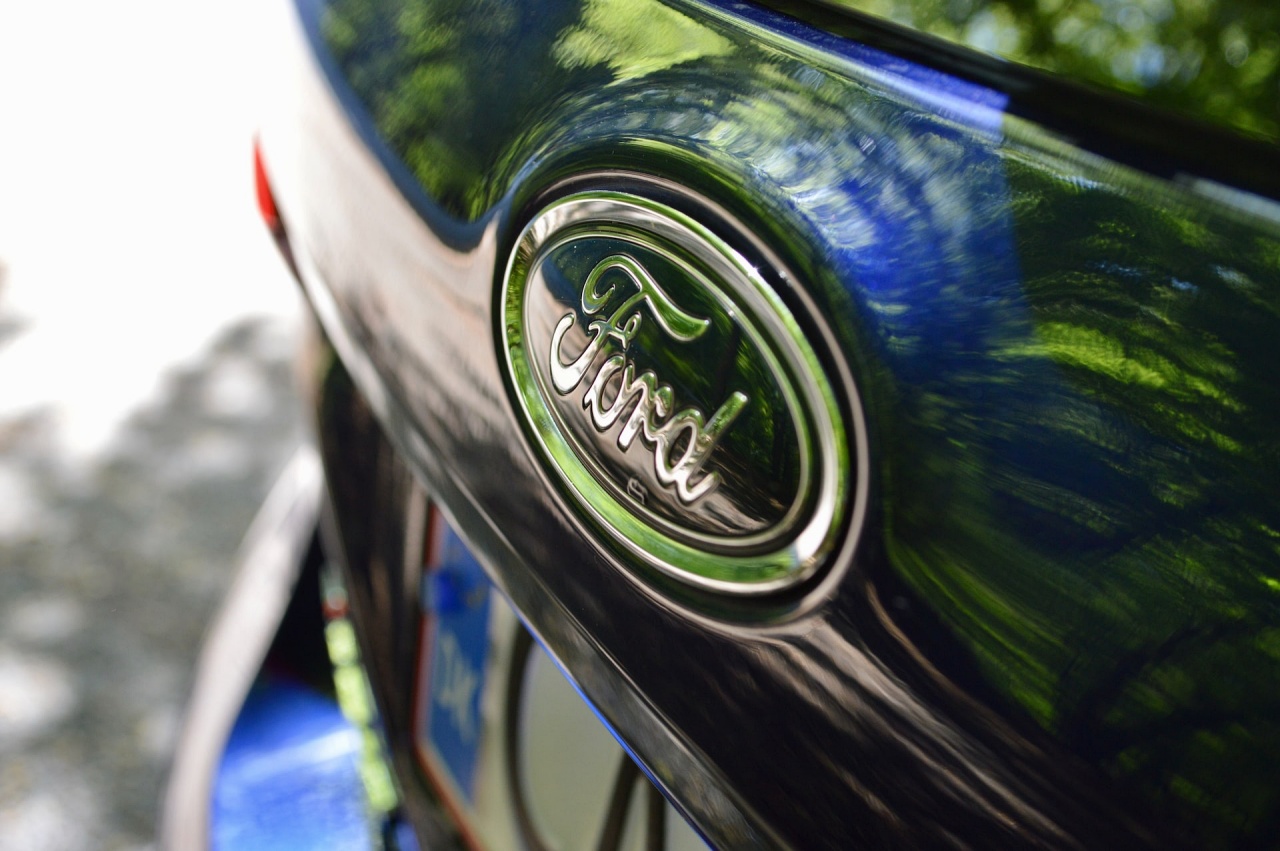
Photo by: Yunus Yildiz/Unsplash