Renaud Foucart, a senior lecturer in economics at Lancaster University, said in an Oct. 30 France 24 interview that dockworkers may win workplace concessions but have limited sway over military policy.
Foucart linked unions’ bargaining strength to the place ports occupy in international supply chains. “They know how powerful they are,” he said. He expected concessions on automation and working conditions, adding: “They can get those concessions. And I think they will get them.”
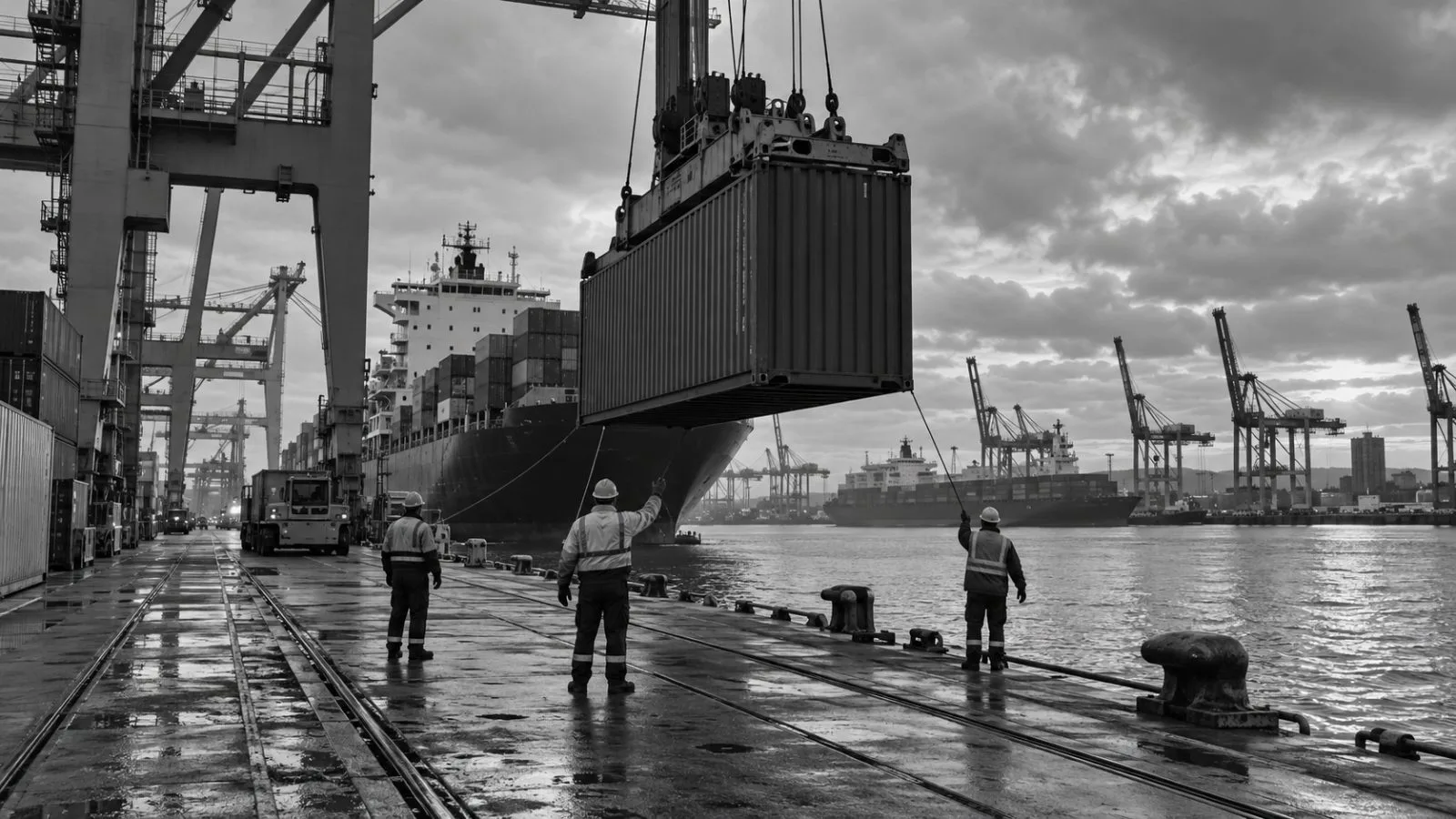
France 24 placed the strike in the wider setting of changes in port technology and expanding military investment across Europe. Foucart questioned whether dockworkers’ leverage could extend to changing military policy.
A USB declaration outlined a planned mobilization across 113 ports in 22 countries and regions and called on port workers to block military shipments and troop movements bound for conflict areas. The declaration also listed wages, working conditions, automation, and occupational health and safety among its concerns.