The Guardian reported that four British water providers made customer-service and debt-enforcement concessions after Acorn protests, placing protections for vulnerable and low-income households at the center of the campaign.
The Guardian described Acorn as a Bristol-founded community union that initially organized renters. It reported that the group staged nine protests on Aug. 20 under its Dignity Not Debt campaign.
The Guardian reported differing terms from the companies. Yorkshire Water agreed to end bailiff enforcement against vulnerable customers. Welsh Water ruled out artificial intelligence (AI) in debt decisions and in contact with vulnerable people. United Utilities committed to avoiding AI in customer dealings and giving Acorn members a direct route for complaints. Severn Trent agreed to review whether to write off debts dating from Sept. 2021 and consider widening discounted-bill access for low-income households. The Guardian said it sought comment from the utilities but included no company replies.
The report featured Yasmin, 34, from Manchester, who contacted Acorn over unexplained water charges and a nine-month wait for a meter. The Guardian reported that United Utilities later apologized and credited £250 to her account. “We can only save ourselves, right?” Yasmin told the newspaper.
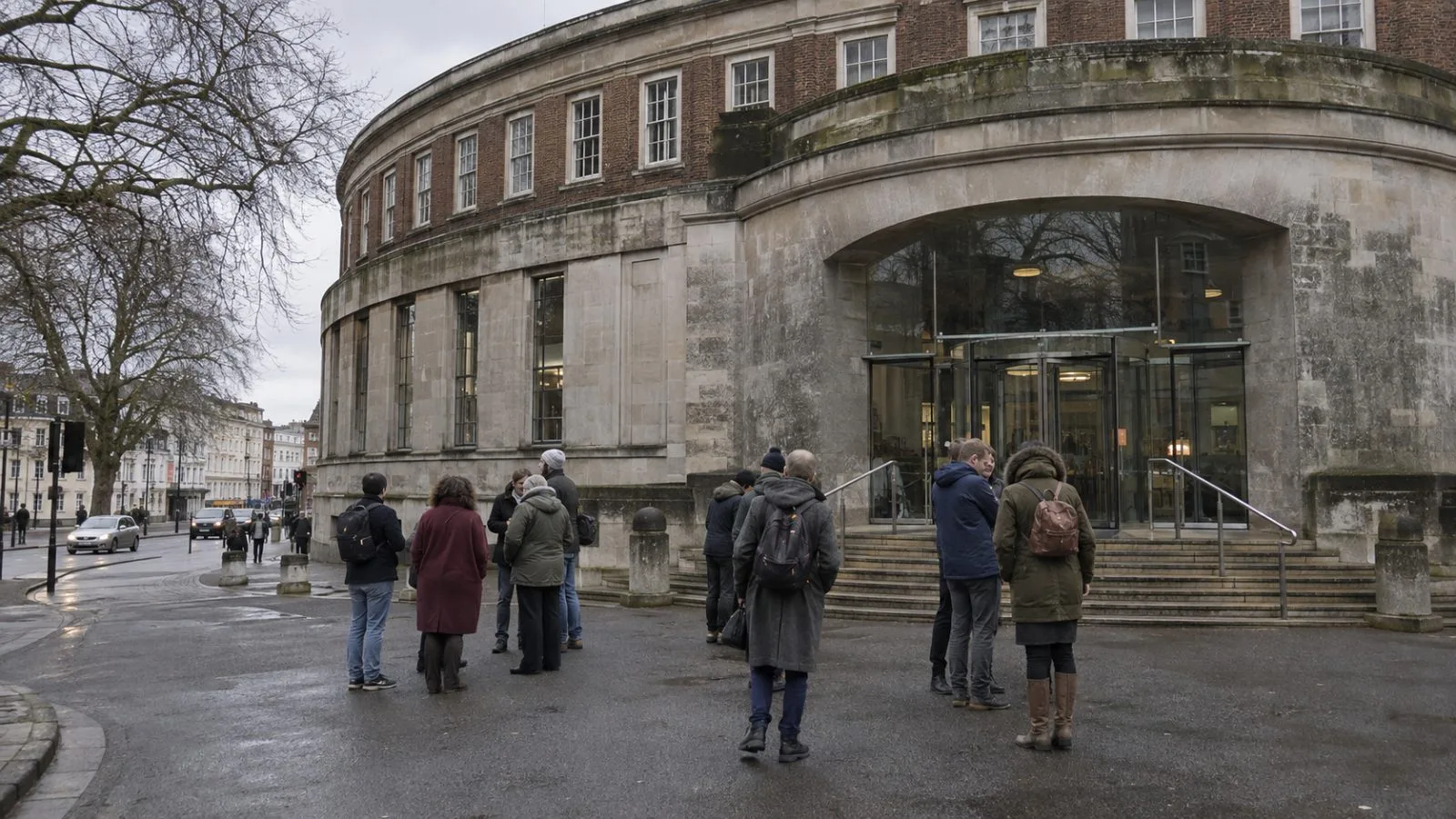
In Bristol, Acorn members voted to disrupt a full council meeting over the city’s use of bailiffs, and the meeting was cancelled, the Guardian reported. The group considered the council’s offer inadequate after a two-year campaign. Sam Kidel, Acorn’s south-west area organiser, described cases in which a £30 parking-fine notice went to the wrong address or was left unopened, sometimes amid mental health issues; he said bailiff fees could then add hundreds of pounds.
The Guardian also reported that Acorn previously campaigned at 32 TSB branches against mortgage terms limiting how long landlords could rent out homes. Kidel said TSB began talks within days and later changed the policy. He cited energy bills, council tax and rents as pressures facing households.