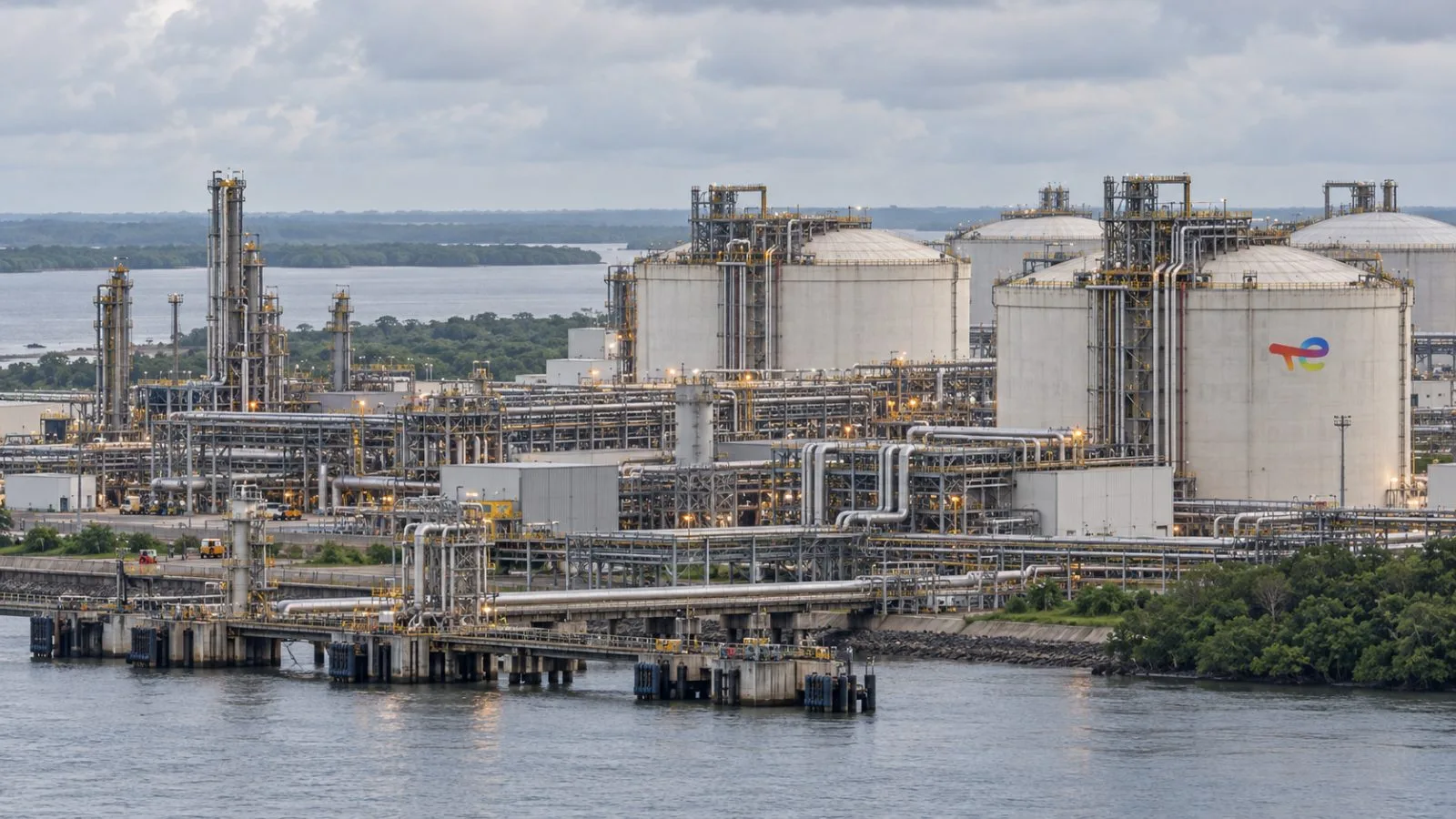
Nigeria’s planned liquefied natural gas (LNG) expansion is moving closer to a new source of feed gas after TotalEnergies and AMNI approved development of the Ima field, discovered in 1973 and expected to begin production at the end of 2028.
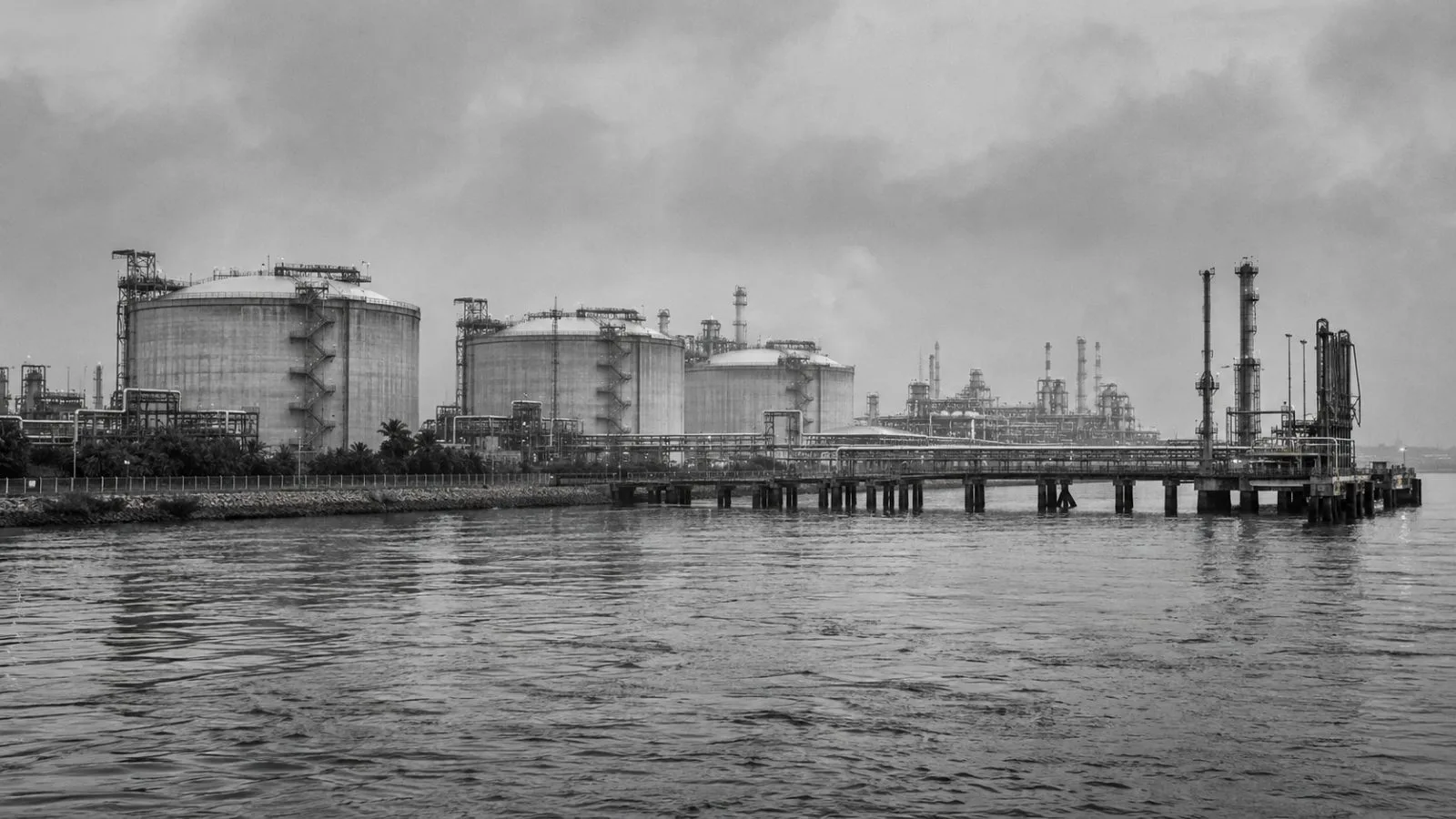
For global gas buyers, the project links the field to additional liquefaction capacity. TotalEnergies expects Ima to produce 350 million standard cubic feet of gas per day at plateau and supply about one-third of the gas required for Nigeria LNG’s Train 7 expansion. A 22-kilometer pipeline is planned to connect the field to the plant, whose capacity is expected to rise from 22 million to 30 million tons per year.
TotalEnergies and AMNI International Petroleum Development Company Limited announced the final investment decision on Sept. 23, 2026. TotalEnergies operates the project and holds a 40% interest; AMNI holds 60%. EconoTimes previously covered the project’s final investment decision.
The production estimates differ across official accounts. TotalEnergies gives a plateau estimate of 350 million standard cubic feet per day, while a State House account puts peak output at about 300 million. The statements use different production measures and do not explain the difference.
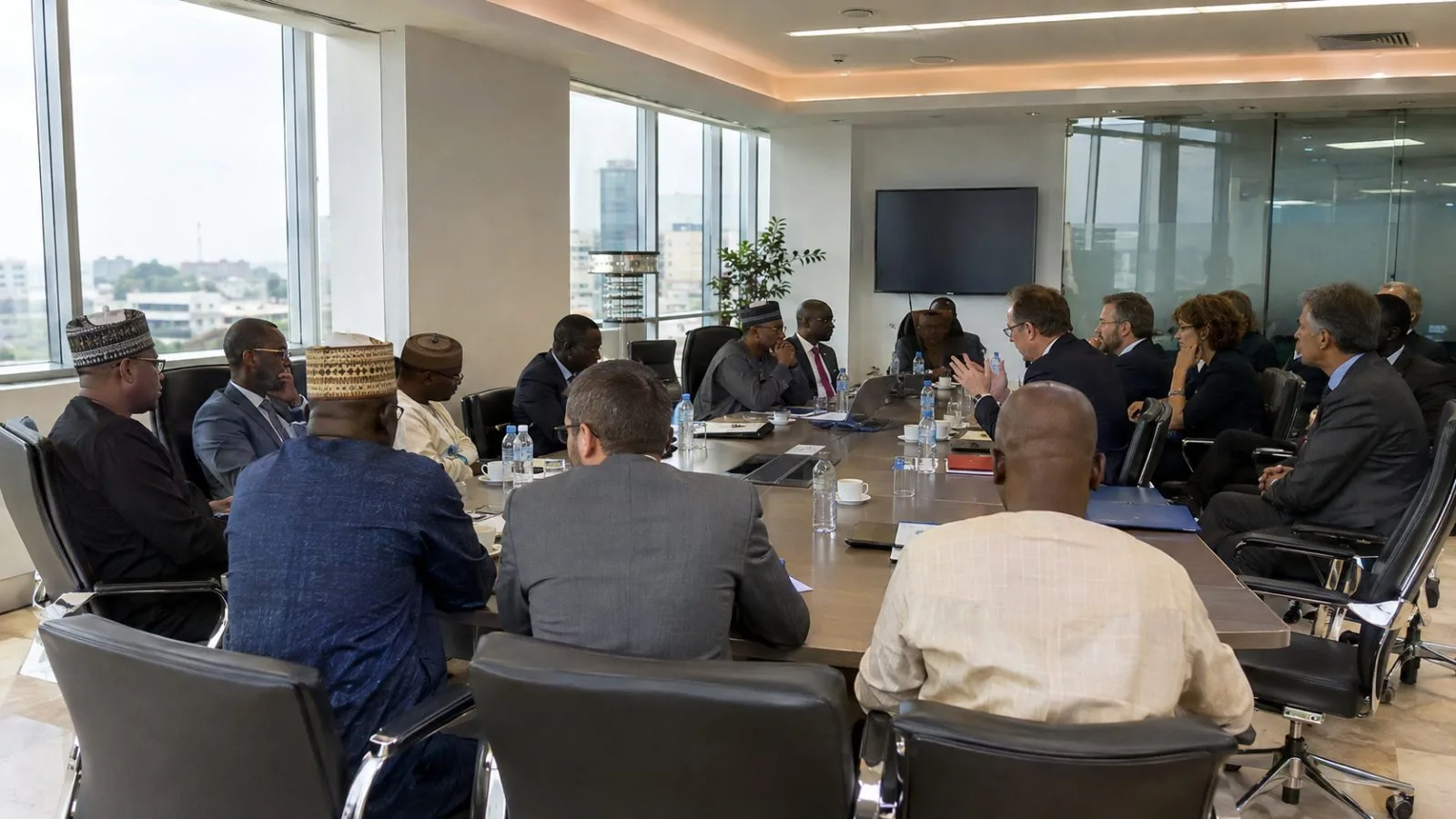
At the 44th Annual International Conference and Exhibition of the Nigerian Association of Petroleum Explorationists (NAPE) in Lagos, Special Adviser to the President on Oil & Gas Olu Arowolo Verheijen said Nigeria’s investment recovery should lead to higher output and broader economic activity. In her keynote on Monday, Nov. 9, she called for more exploration, stronger local capabilities and adaptive technology, alongside improved performance from existing assets and progress on new projects.
Verheijen said investors had been deterred by unclear roles, lengthy contracting, weak project economics and uncertainty about whether customers would pay. She also linked gas development to dependable buyers and power-sector changes, including settling legacy debts, improving metering and directing support to vulnerable consumers.
President Bola Ahmed Tinubu’s March 2024 oil and gas directives called for fiscal incentives for non-associated gas, midstream and deepwater projects, a six-month contracting cycle and local-content rules intended to preserve investment and cost competitiveness.
TotalEnergies expects key contractors to be local companies and about 60% of the project-development workforce to be sourced from host communities. Those are company forecasts; the next project milestone identified by TotalEnergies is first gas, expected at the end of 2028.