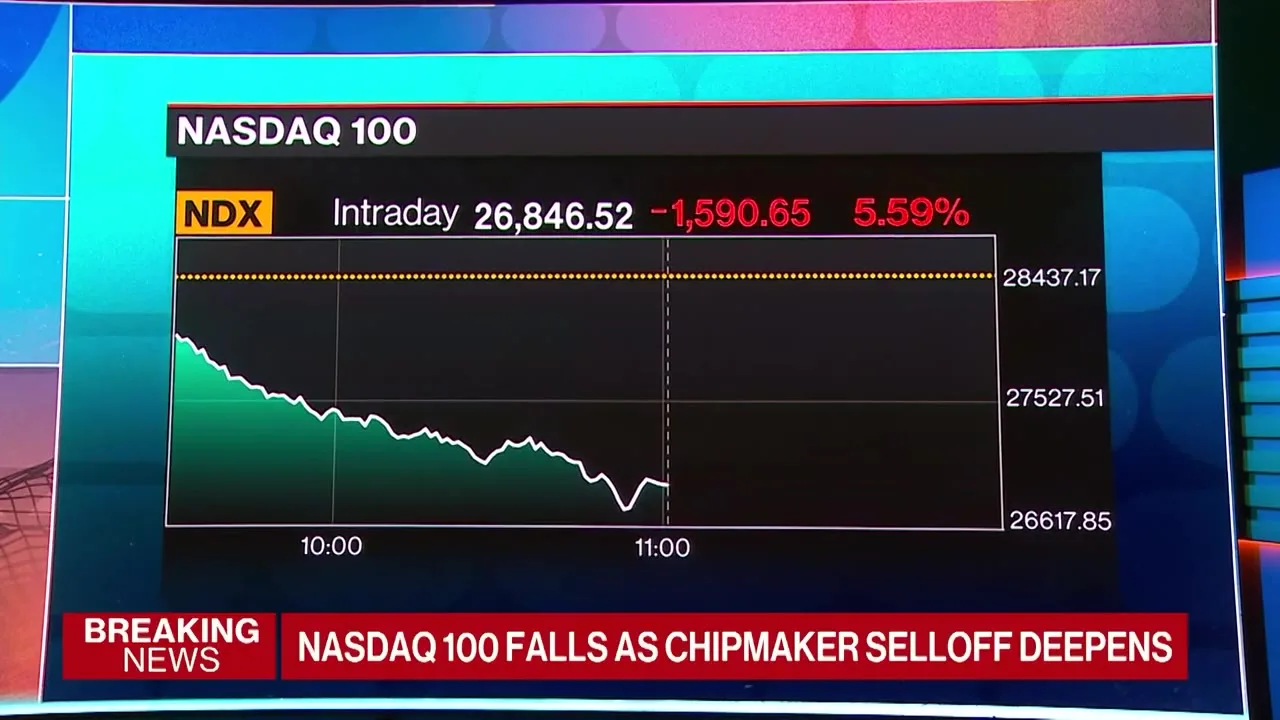
The artificial intelligence infrastructure buildout remained on course despite a widening range of possible outcomes after the midterm elections, a strategist at Futurum said in a Yahoo Finance interview.
The change concerned the cost and process of building infrastructure, rather than demand for it. Greater uncertainty was prompting investors to take more defensive positions.
“Nothing about the AI buildout has changed,” the strategist said on Market Hang, published Nov. 5. “The only thing has adjusted is the range of outcomes has widened.”
The strategist said purchases exceeded sales that day and the previous day, despite the market decline. The investment position reflected continued confidence that construction would proceed, even if projects moved elsewhere.
The strategist cited Google's announcement of a $15 billion investment in Malaysian data centers as an example of construction continuing outside the United States. The company announcement was described as coming the morning after the elections.
The argument separated the location of investment from the demand behind it. Opposition in one jurisdiction could push construction elsewhere without removing the need for facilities that supply computing capacity.
Delays could also affect businesses differently. Construction companies and equipment suppliers could face slower orders, while businesses waiting for facilities to open before collecting revenue could face a longer wait for cash.
Debt could make that wait harder to manage. The distinction concerns when companies receive revenue, even if the underlying projects eventually go ahead.
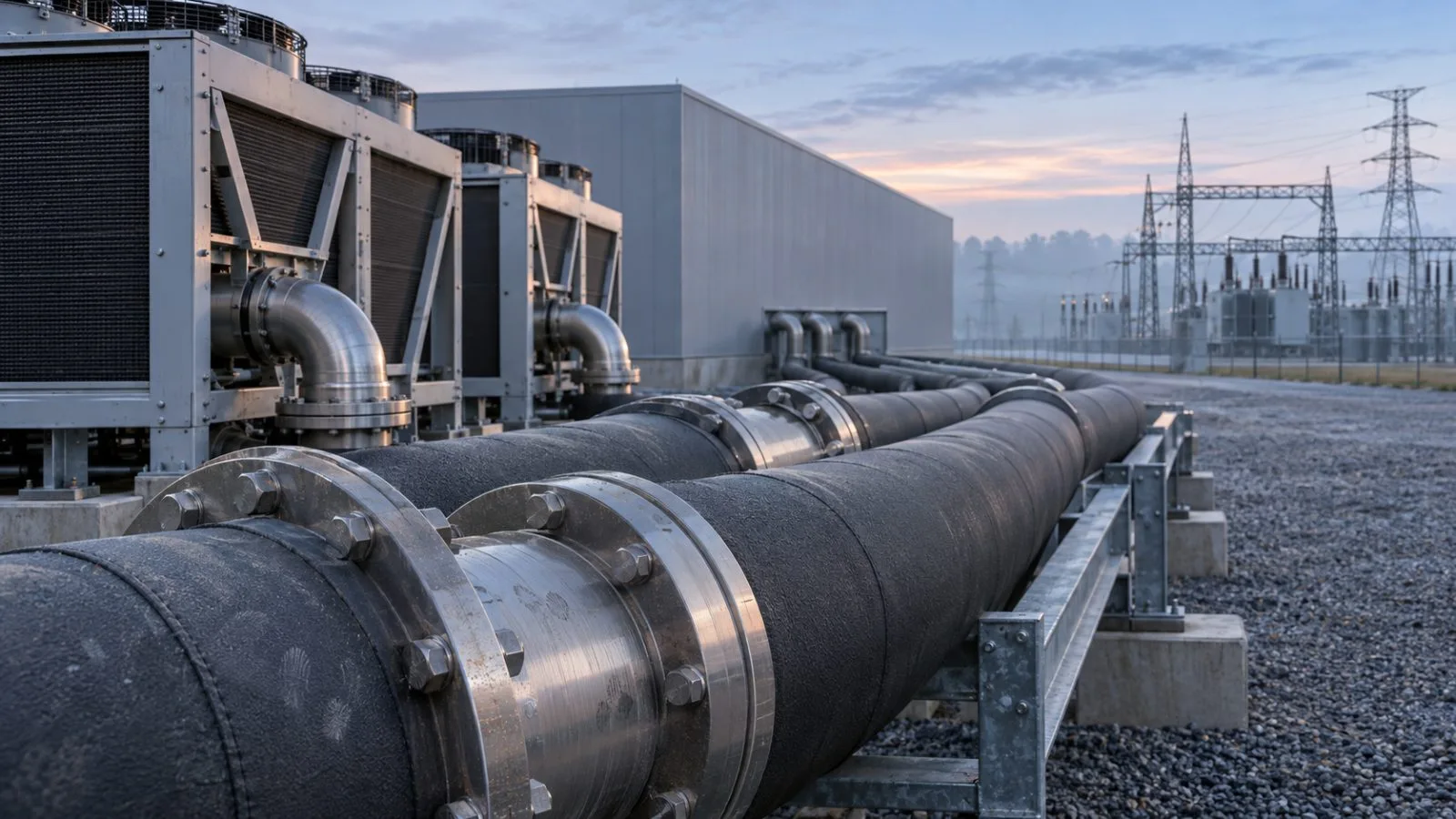
Existing facilities would still require electricity and cooling. Converting warehouses into data centers could provide another route to increasing capacity, although whether restrictions on new construction would also cover conversions was left unresolved.
Negotiations over electricity costs could change how companies spend their money. One possibility raised was that developers would help cover higher energy costs associated with their projects, directing some spending toward subsidies.
Slower construction could ease shortages of memory chips, but the direction of prices remained uncertain. Changes in construction schedules could therefore shift both costs and spending between different parts of the industry.
Constraints on new capacity could also give operators of existing facilities more room to charge higher prices. Long-term electricity agreements and installed computing equipment could matter when customers seek capacity quickly.
The strategist returned to the distinction between local opposition and demand at the end of the exchange. Communities seeking greater control over data centers did not, in that assessment, establish that the broader AI investment cycle had ended.
The remarks left open how long political negotiations might delay projects, where displaced construction would go and how much additional costs developers would absorb.