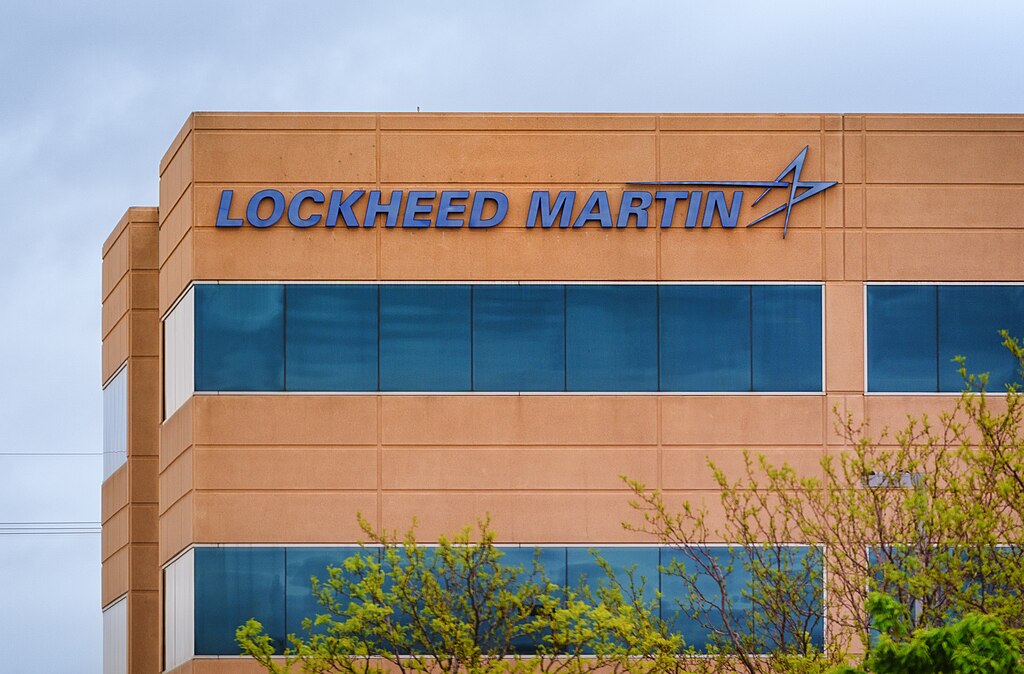
General Motors (GM) is reportedly in discussions with defense giant Lockheed Martin about producing components for the contractor’s weapons systems, according to a Wall Street Journal report published Monday, citing people familiar with the matter.
The potential collaboration highlights the growing intersection between the automotive and defense industries as manufacturers seek new business opportunities amid increasing global demand for military equipment. If finalized, the partnership could leverage General Motors’ extensive manufacturing expertise and advanced production capabilities to support Lockheed Martin’s defense programs.
Neither General Motors nor Lockheed Martin immediately confirmed the reported talks. Reuters also stated that it was unable to independently verify the information.
The discussions come at a time when defense contractors are looking to expand production capacity to meet rising orders from governments worldwide. Companies in the automotive sector have increasingly become attractive partners due to their large-scale manufacturing infrastructure, supply chain networks, and experience producing complex mechanical and technological components.
For General Motors, participation in defense-related manufacturing could represent an opportunity to diversify its revenue streams beyond traditional automotive operations. The company has previously explored military and government-related projects, including initiatives involving advanced vehicle technologies and defense applications.
Lockheed Martin, one of the world’s largest defense contractors, manufactures a wide range of military equipment, including missile systems, fighter jets, and other advanced weapons platforms. Partnering with a major automaker could help accelerate production and improve supply chain efficiency for critical defense programs.
The reported negotiations underscore a broader trend of collaboration between commercial manufacturers and defense companies as governments increase military spending and prioritize defense readiness. While details about the specific weapons components under discussion were not disclosed, the talks suggest that both companies are evaluating ways to strengthen domestic manufacturing capabilities and support future defense production needs.
As of now, there is no indication that a formal agreement has been reached, and the outcome of the discussions remains uncertain.