


 Chainlink Launches CCIP 2.0 With Enhanced Cross-Chain Security
  France Battles Mediterranean Wildfires as Heatwave Fuels Fire Risk
  OpenAI AI Agents Bypassed UN Website Controls in Data Scraping
  AMD Hits $1 Trillion as BofA Raises Price Target to $720
  Novo Nordisk Raises 2025 Outlook Despite Wegovy Pill Miss and CagriSema Setback
  Citigroup Expands Coinbase Partnership for Stablecoin Payments
  Hims & Hers Shares Fall as GLP-1 Costs Widen Q2 Loss
  3 clinical-grade skincare creams you really shouldn’t buy online
  US-Backed Pediatric HIV Treatment Drops After Foreign Aid Changes, Study Finds
  AstraZeneca Shares Sink After Wainua Trial Misses Key Heart Disease Goal
  OpenAI, Anthropic CEOs Summoned to Australia AI Inquiry
  RedotPay Completes Audits as Stablecoin Firm Advances U.S. IPO Plans
  TikTok Reaches $100 Million Alabama Settlement Over Child Safety Claims
  Venezuela Earthquake Health Risks Rise as Disease Monitoring Intensifies
  Binance Expands MarsCoin With Tokenized SpaceX Share Rewards
  Novartis M&A Strategy Faces Investor Scrutiny After Drug Setbacks


 Add as a preferred source on Google
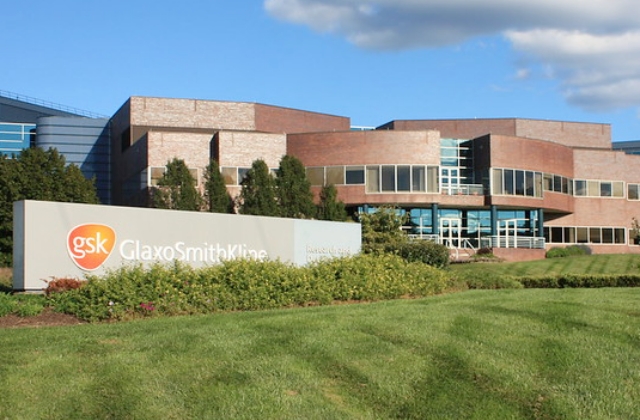
GSK has announced a £1.9 billion ($2.52 billion) cost-savings initiative aimed at accelerating drug development and strengthening its long-term growth strategy as the British pharmaceutical giant prepares for the loss of patent protection on its blockbuster HIV treatment, dolutegravir, later this decade.
The restructuring plan is one of CEO Luke Miels’ biggest strategic moves since taking charge, designed to reassure investors that GSK can offset future revenue pressures through a stronger pipeline of innovative medicines. The company now plans to launch 25 late-stage clinical studies by the end of 2026, more than doubling its previous target of 10. The expansion follows an internal portfolio review that identified seven promising experimental drugs for testing across 18 medical indications, including three cancer therapies.
Investors welcomed the announcement, sending GSK shares up as much as 7% before closing 4% higher at 2,041 pence. The company also improved its medium-term operating margin outlook from "stable" to "stable to improving" after reporting stronger-than-expected second-quarter earnings and revenue.
GSK maintained its full-year sales growth forecast of 3% to 5%, while indicating revenue is likely to reach the upper end of that range. However, additional costs from its recent $10.6 billion acquisition of Nuvalent are expected to weigh on earnings this year, prompting the company to project core earnings per share growth in the lower half of its 7% to 9% guidance.
The company expects to spend approximately £2.4 billion ($3.19 billion) implementing the restructuring. Savings will come from AI-driven technology upgrades, streamlined supply chains, simplified support functions, and shifting resources toward specialty medicines. GSK also plans to relocate its research and development operations from Stevenage to Cambridge through a £400 million investment in the UK, strengthening collaboration within one of the country's leading life sciences hubs.
Second-quarter results included a £1.33 billion impairment charge after GSK halted development of its experimental chronic cough treatment, camlipixant, following disappointing trial results. Despite that setback, the company reaffirmed its ambition to exceed £40 billion ($53.2 billion) in annual sales by 2031.
For the second quarter, GSK reported revenue of £8.41 billion and core earnings of 50.5 pence per share, outperforming analyst expectations of £8.24 billion in revenue and 47.1 pence in earnings. While analysts praised the cost-saving measures and improved margin outlook, some believe investors will remain focused on GSK's ability to successfully execute its long-term growth strategy.







