


 Most Americans Oppose Election Betting on Prediction Markets, Poll Finds
  European Auto Stocks Rise as EU-China Trade Deal Targets Hybrid Imports
  Asian Stocks Plunge as AI Chip Selloff Hits South Korea and Japan
  S&P 500 Rally Masks Losses for Over 40% of Stocks in 2026
  Wall Street Ends Mixed as Investors Await CPI and Bank Earnings
  Asian Currencies Steady as Dollar Nears 18-Month High Ahead of US CPI
  Gold Prices Rebound as Dollar Weakens Ahead of US Inflation Data
  Nasdaq Falls as Oil Prices Surge Ahead of Bank Earnings
  Bumble Shares Surge 50% on $1 Billion Buyout Talks
  Albertsons Seeks $9.3 Billion From Kroger Over Failed Merger
  PepsiCo Slashes Poppi Earnout Valuation as Growth Slows
  Hong Kong’s Second Solana ETF Launches With Lower Fees
  Coinbase CEO Backs SEC Accredited Investor Reform
  Syndax Stock Drops 15% After Axatilimab Trial Failure
  Samsung, SK Hynix Shares Fall as China's CXMT Advances DRAM Technology
  Trump Defends Russian Diesel Deal Amid US Sanctions Backlash
  Binance to Shut Down Crypto Mining Pool Services on November 10


 Add as a preferred source on Google
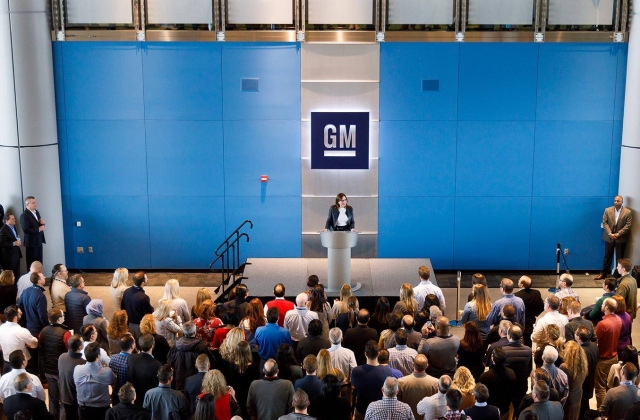
General Motors just signed a deal with Wabtec Corp. for the supply of electric batteries and hydrogen fuel cell systems for the latter’s locomotive fleet. This agreement effectively extends GM’s business outside of the automotive market.
The memorandum between GM and Wabtec
As per Reuters, the two companies signed a nonbinding memorandum of understanding (MOU) to realize GM and Wabtec’s vision of zero emissions for transportations in the future. It was added that the Pittsburgh-headquartered leading global provider of equipment, systems, digital solutions, and other locomotive services will be using its expertise in the field of energy management and systems optimization to create solutions for heavy-haul locomotives that can use General Motors’ advanced technologies.
Wabtec is currently developing electric battery and hydrogen fuel cell-powered locomotives and this move comes after the rail industry demanded companies to get rid of carbon emissions.
It was reported that it already tested an electric locomotive model and Wabtec is now building a newer version with GM’s batteries and this could be ready for delivery by 2023.
“Rail networks are critical to transportation and to GM’s ability to serve our customers across North America, and Wabtec’s bold plan to de-carbonize heavy haul and other locomotive applications helps advance our vision of a world with zero crashes, zero emissions and zero congestion,” GM president, Mark Reuss, said in a press release. “Wabtec’s decision to deploy GM’s Ultium battery and HYDROTEC hydrogen fuel cell systems further validates our advanced technology and demonstrates its versatility.”
What GM will offer Wabtec
Under the agreement, General Motors will be supplying Wabtec Corp. with its Ultium electric batteries and Hydrotec hydrogen fuel cell power cubes. These will be fitted into the latter’s fleet of freight locomotives and servicing. The rest of the terms were not mentioned including financial details.
CNBC reported that this MOU with Wabtec will also be beneficial to General Motors as it will expand its customer base. With its technologies, it can now accommodate other business deals apart from anything related to automotive.
Finally, General Motors’ Ultium battery technology is expected to provide the efficiency, flexibility, reliability and power needed for rail locomotives. This battery cell was developed in a joint venture with LG Energy Solutions.







