


 Epic Games Delays Disney Shooter, Shifts to AI-First Development
  Binance to Shut Down Crypto Mining Pool Services on November 10
  South Korea Blocks 27 Crypto Exchange Websites in Regulatory Crackdown
  Gold Prices Rebound as Dollar Weakens Ahead of US Inflation Data
  Nvidia’s China AI Chip Market Share Falls to 34% as Huawei Gains Ground
  US Dollar Rises for Fourth Week as Fed Rate Hike Bets Grow
  Bank of America Predicts Yen Rebound as USD/JPY Faces Risks
  Visa Wins China Approval to Prepare Domestic Payments Expansion
  UK Finance Minister Healey Calls for Fiscal Discipline Amid Global Risks
  Orsted to Take Full Ownership of UK Offshore Wind Farm for £15 Million
  European Auto Stocks Rise as EU-China Trade Deal Targets Hybrid Imports
  Canton Network Expands in South Korea With Major Partnerships
  RBA Signals More Rate Hikes as Inflation Risks Rise
  Oil Prices Fall as Russia Signals Higher Diesel Exports
  Samsung, SK Hynix Shares Plunge as China Chip Competition Grows
  Samsung, SK Hynix Shares Fall as China's CXMT Advances DRAM Technology
  Fed's Hammack Urges Faster Rate Hikes to Fight Inflation


 Add as a preferred source on Google
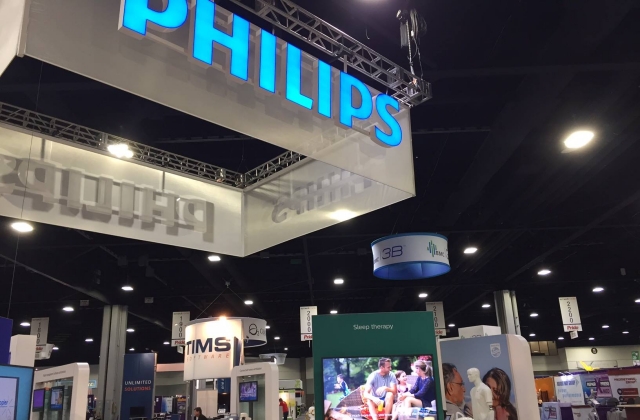
Philips initiated a voluntary recall for some of its sleep apnea machines and ventilators. The American multinational conglomerate company cited concerns for a foam component that may get detached or degrade and become toxic when inhaled by the user.
It was said that if such a thing happens, there is a possibility it could cause health issues including the development of cancer due to toxic and carcinogenic effects. To prevent this and protect the users, Philips issued a recall notification on Monday, June 14.
The affected devices and Philips’ announcement
As per Fox Business, the Philips recall will affect three to four million units of certain machine models that feature Bi-Level Positive Airway Pressure (Bi-Level PAP), Continuous Positive Airway Pressure (CPAC) and the mechanical ventilator machines. It was revealed that the company already issued the first warning over the issue in April.
Philips announced its voluntary recall notification after consulting with regulatory agencies. The company said that with the recalled products, the company will immediately take corrective actions that include the distribution of updated instructions for the repair and replacement of the affected items. As of this time, Philips is continuously monitoring reports of safety issues and so far, it has not received any reports of death due to the product issues.
It was added that due to potential risks of exposure, users may experience headaches, respiratory issues, irritation, inflammation and possible toxic or carcinogenic effects. But fortunately, there is no report of these effects yet related to chemical emissions.
“We deeply regret any concern and inconvenience that patients using the affected devices will experience because of the proactive measures we are announcing today to ensure patient safety,” Philips CEO, Frans van Houten, said in a press release. “In consultation with the relevant regulatory agencies and in close collaboration with our customers and partners, we are working hard towards a resolution. Patient safety is at the heart of everything we do at Philips.”
How Philips will solve the issue
Reuters reported that Philips is now working with the health authorities and regulators for the safety of the consumers. It is looking for a way for the safe replacement of the foam that may potentially become toxic and cause cancer.
It was added that Philips is not conducting tests and it needs to get good results so it can pass the regulatory requirements. The company will also be replacing the products that cannot be repaired or updated.







