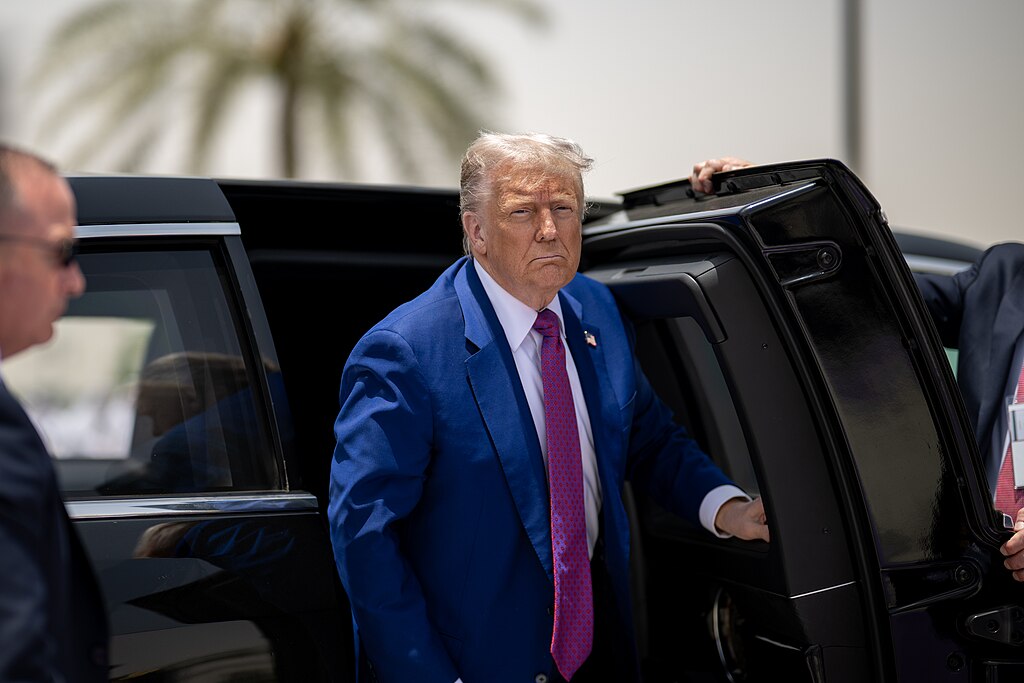
U.S. President Donald Trump said his administration held "very good discussions" with Iran during day-long negotiations on Tuesday, raising expectations that the five-month conflict could move closer to a resolution and that the strategically vital Strait of Hormuz may soon reopen.
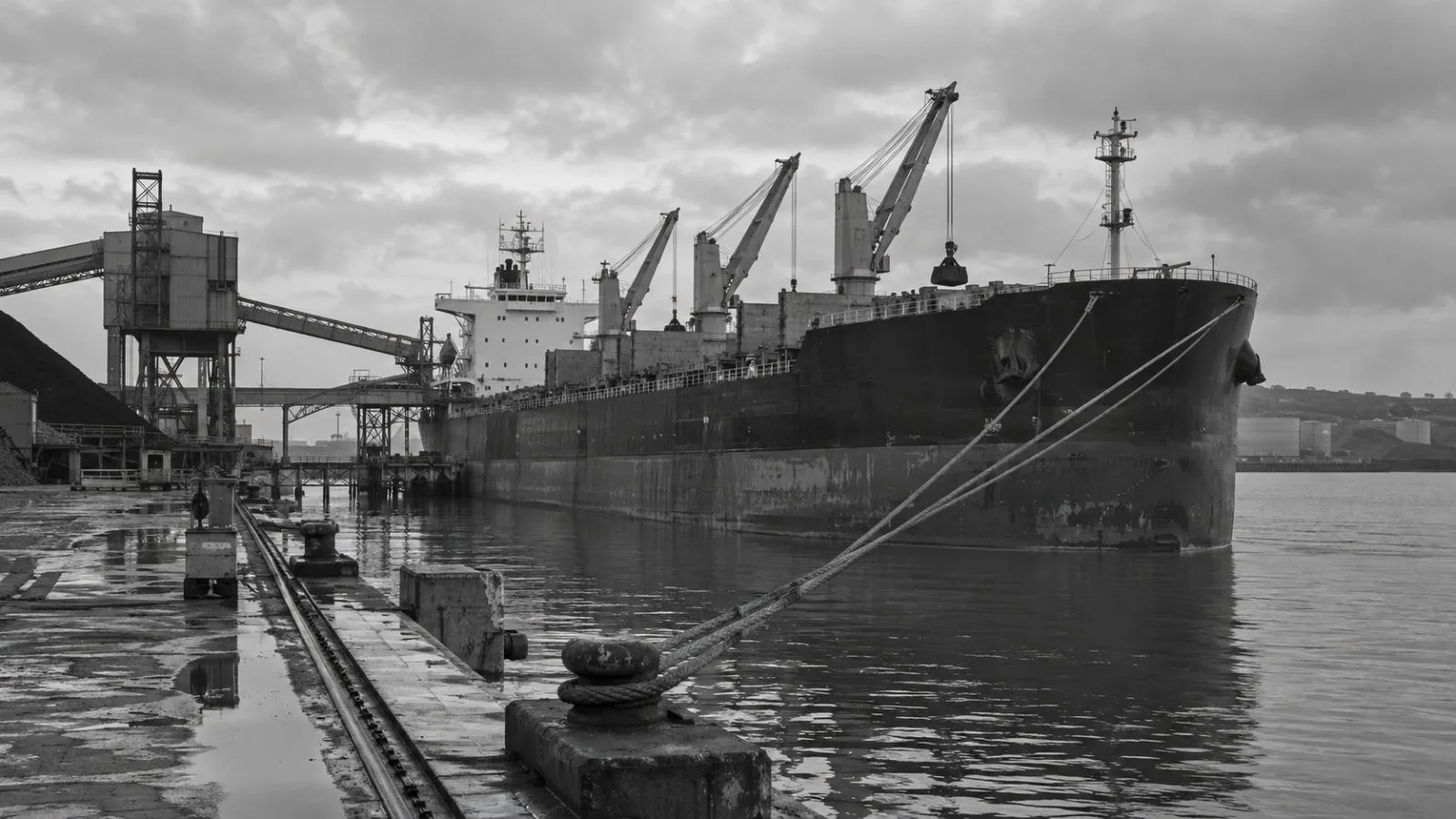
Investor optimism pushed global markets higher. Asian stocks advanced while oil prices declined after Wall Street reached fresh record highs, reflecting hopes that shipping through the Strait of Hormuz—a route that handles roughly 20% of global oil and liquefied natural gas trade—could resume.
Speaking to Fox News, Trump said negotiations lasted throughout the day and expressed confidence that the waterway would reopen soon. He also warned Iran of severe consequences if it abandoned the talks, continuing his pattern of combining diplomatic outreach with military threats.
According to Axios, citing regional sources and a U.S. official, Washington and Tehran are nearing an interim agreement brokered with Oman to restore navigation through the strait. The report said an announcement could come as early as Wednesday. However, Iranian state media quoted an informed source saying any agreement would be delayed as long as the United States continued issuing threats.
Qatar also reported progress in mediation efforts. During a phone call on Tuesday, Trump and Qatar's Emir Sheikh Tamim bin Hamad Al Thani discussed narrowing differences between Washington and Tehran to improve the prospects for a lasting settlement.
Iran's Foreign Ministry spokesperson Esmaeil Baghaei said discussions with Oman remain constructive and are focused on establishing secure shipping lanes while protecting the sovereignty and national security interests of both countries. Iran has long sought greater control over the Strait of Hormuz but recently rejected an Omani proposal for shared oversight and voluntary transit fees.
The conflict continues to disrupt regional shipping. Yemen's Iran-backed Houthis have maintained attacks in the Red Sea, and an Indian-flagged vessel recently sank after a projectile strike, though all 14 crew members were rescued.
The International Maritime Organization has recorded at least 17 seafarer deaths linked to 64 incidents in the Strait of Hormuz since the conflict began. Iran says more than 3,400 people have been killed since fighting intensified on February 28, while the United States has reported 18 military fatalities.