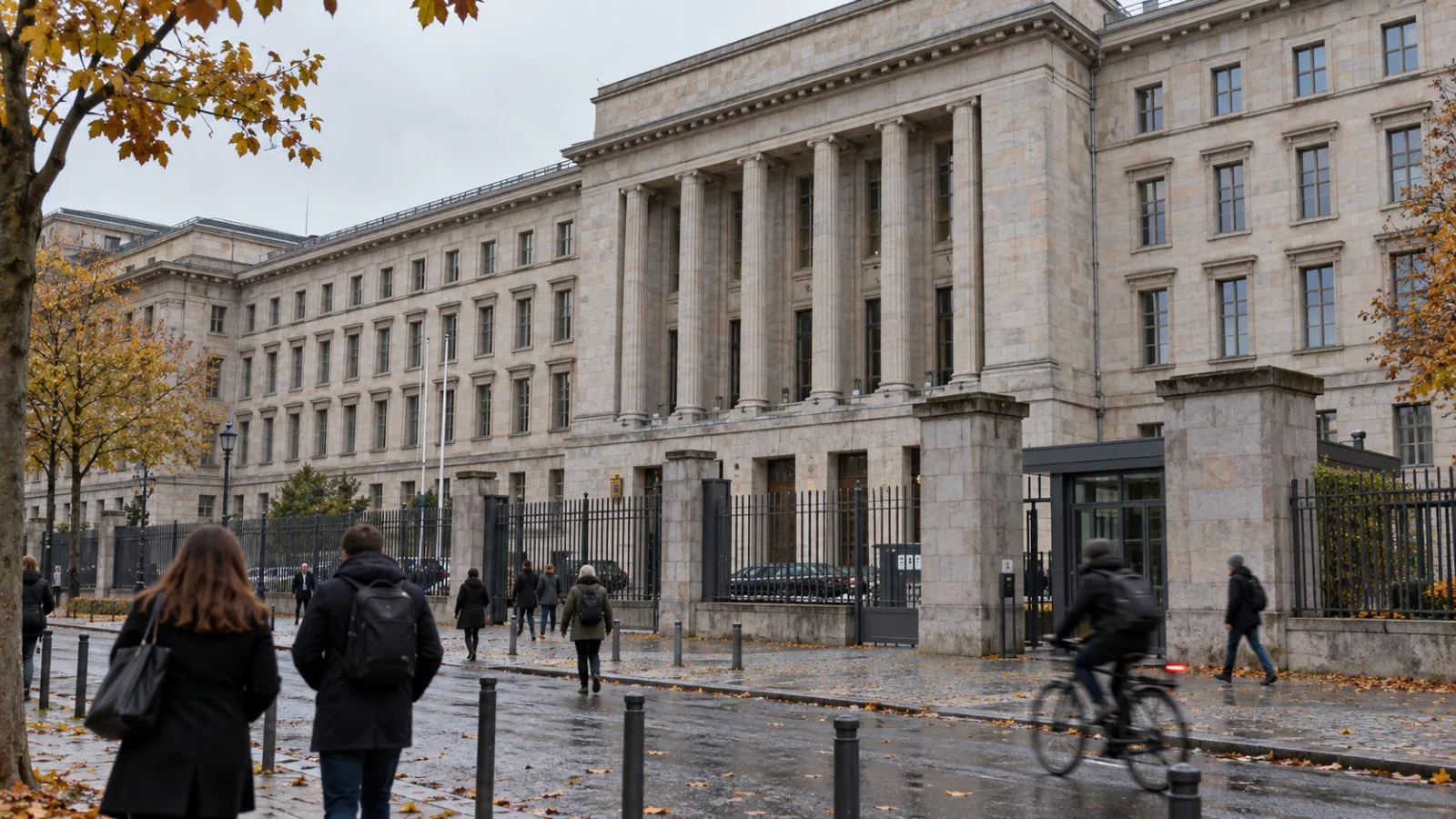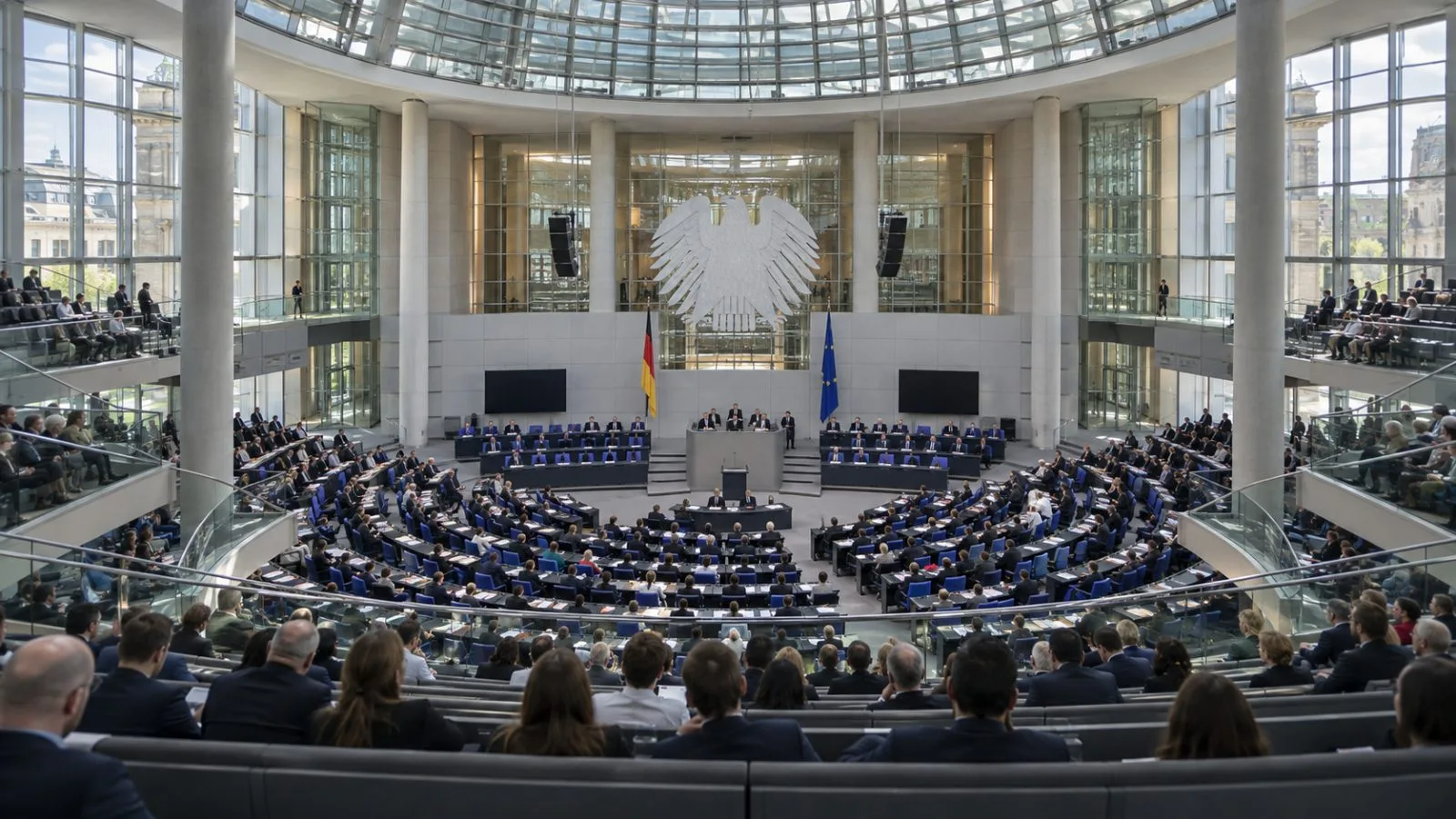
Germany’s Budget Committee approved a €560.92 billion federal spending plan for 2027 at 11:55 p.m. ET Thursday (5:55 a.m. CET Friday), setting core-budget net borrowing at €122.97 billion ahead of the Bundestag’s Nov. 27 vote.
The committee’s spending plan is €36.38 billion, or 6.9%, above the 2026 budget of €524.54 billion, and €5.48 billion higher than the government’s original proposal. It plans €396.21 billion in tax revenue and €61.85 billion in investment spending, €5.58 billion above the initial draft. Labour and Social Affairs receives the largest ministry allocation, €203.29 billion, while the Defense Ministry has €109.75 billion.
Core-budget net borrowing compares with €97.96 billion in 2026. Of the 2027 figure, €84.55 billion for defense and specified security spending is excluded from the debt-brake calculation. The other €38.43 billion counts under Germany’s constitutional debt rule, at the permitted ceiling.
Reuters reported a wider €210.4 billion borrowing total when special funds are included. Its calculation includes €57.8 billion from the Infrastructure and Climate Neutrality Special Fund and €29.6 billion from the Bundeswehr Special Fund. Reuters said the total is below the €215.4 billion reported for 2021 during the COVID-19 pandemic. The difference reflects the scope of the figures: Reuters’ tally counts borrowing through special funds alongside core-budget debt.
The CDU/CSU and SPD backed the plan in committee, while the AfD, Greens and Left opposed it. The final session began at about 8:30 a.m. ET Thursday, and the committee considered about 2,000 motions before voting.
The Bundestag has scheduled its final budget debate for Nov. 24-27, with the vote on the last day. An earlier tax-panel update raised Germany’s 2027 revenue forecast, and the finance minister said the increase left no room for additional spending, according to EconoTimes’ earlier coverage.