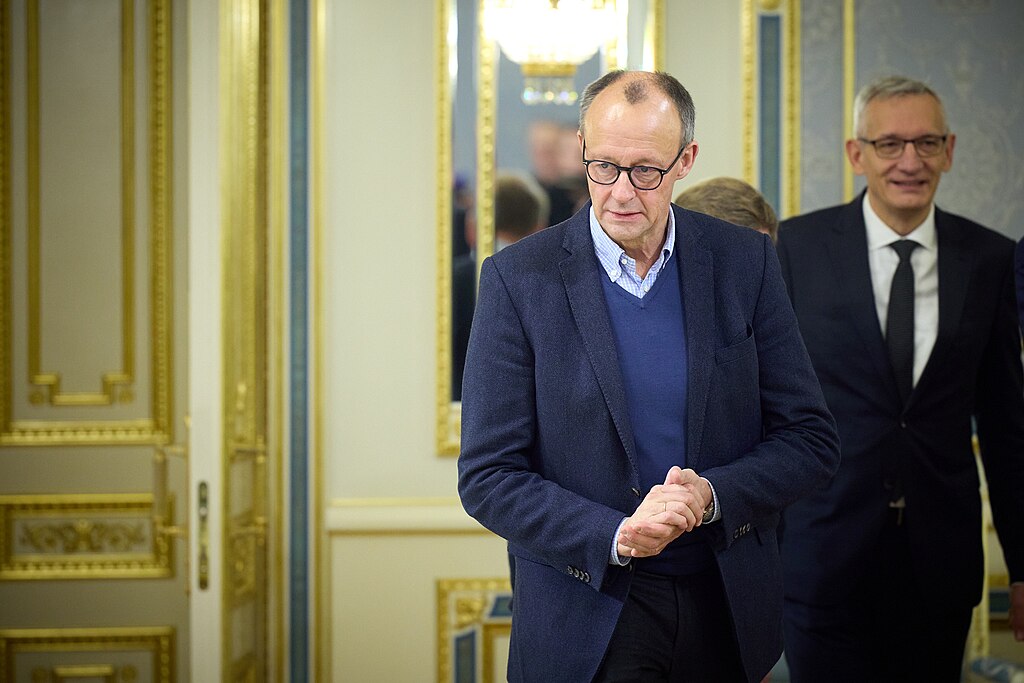
Germans head to the polls in a crucial national election, with Friedrich Merz’s conservative CDU/CSU bloc expected to regain power. The far-right Alternative for Germany (AfD) is also projected to achieve its best-ever result, signaling a political shift to the right.
Despite leading in polls, the CDU/CSU is unlikely to secure a majority, making coalition talks inevitable. However, negotiations may be challenging after a campaign dominated by sharp debates on migration and the AfD’s rising influence. Unpopular Chancellor Olaf Scholz could remain in a caretaker role for months, delaying essential economic policies amid Germany’s ongoing economic struggles.
Germany, Europe’s largest economy, faces significant challenges, including slow growth, declining living standards, and concerns over migration. Public sentiment has shifted dramatically since the "Refugees Welcome" movement of 2015, with many now supporting stricter immigration controls. Economic uncertainty has further fueled dissatisfaction, with pessimism about living standards at its highest since the 2008 financial crisis.
The AfD, which has capitalized on anti-migrant sentiment, is poised to finish second for the first time in a national election. While mainstream parties refuse to collaborate with the AfD, analysts suggest its growing support could set the stage for future political breakthroughs.
Merz’s likely path to power involves forming a coalition, possibly with the SPD in another "grand coalition." However, the fragmented political landscape may necessitate a three-way alliance, complicating governance. The outcome will shape Germany’s domestic policies and influence European leadership at a critical time.
As voters seek stability, Germany’s next government will need to navigate economic recovery, migration policy, and international relations, all while preventing the far-right from gaining further ground.