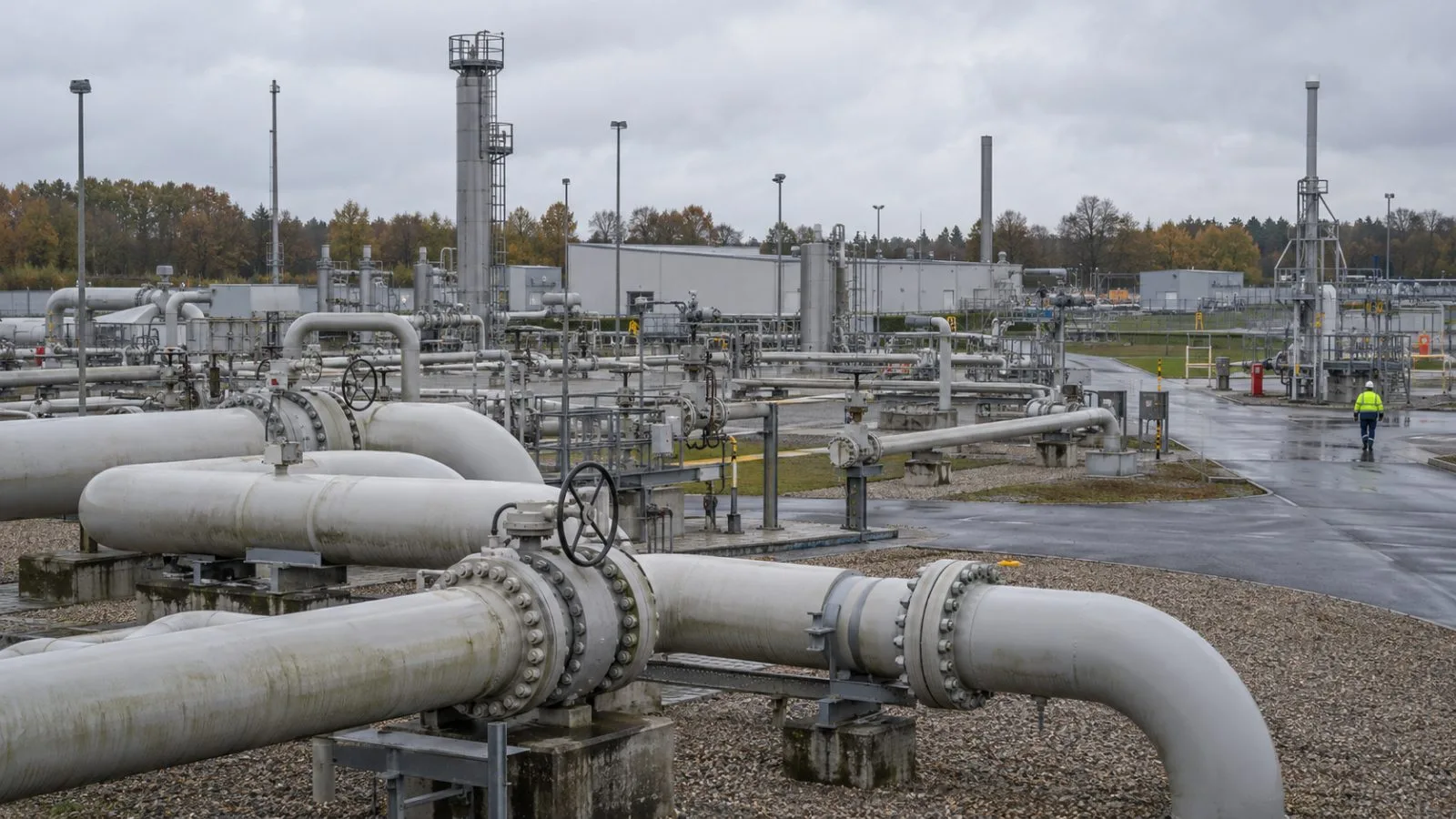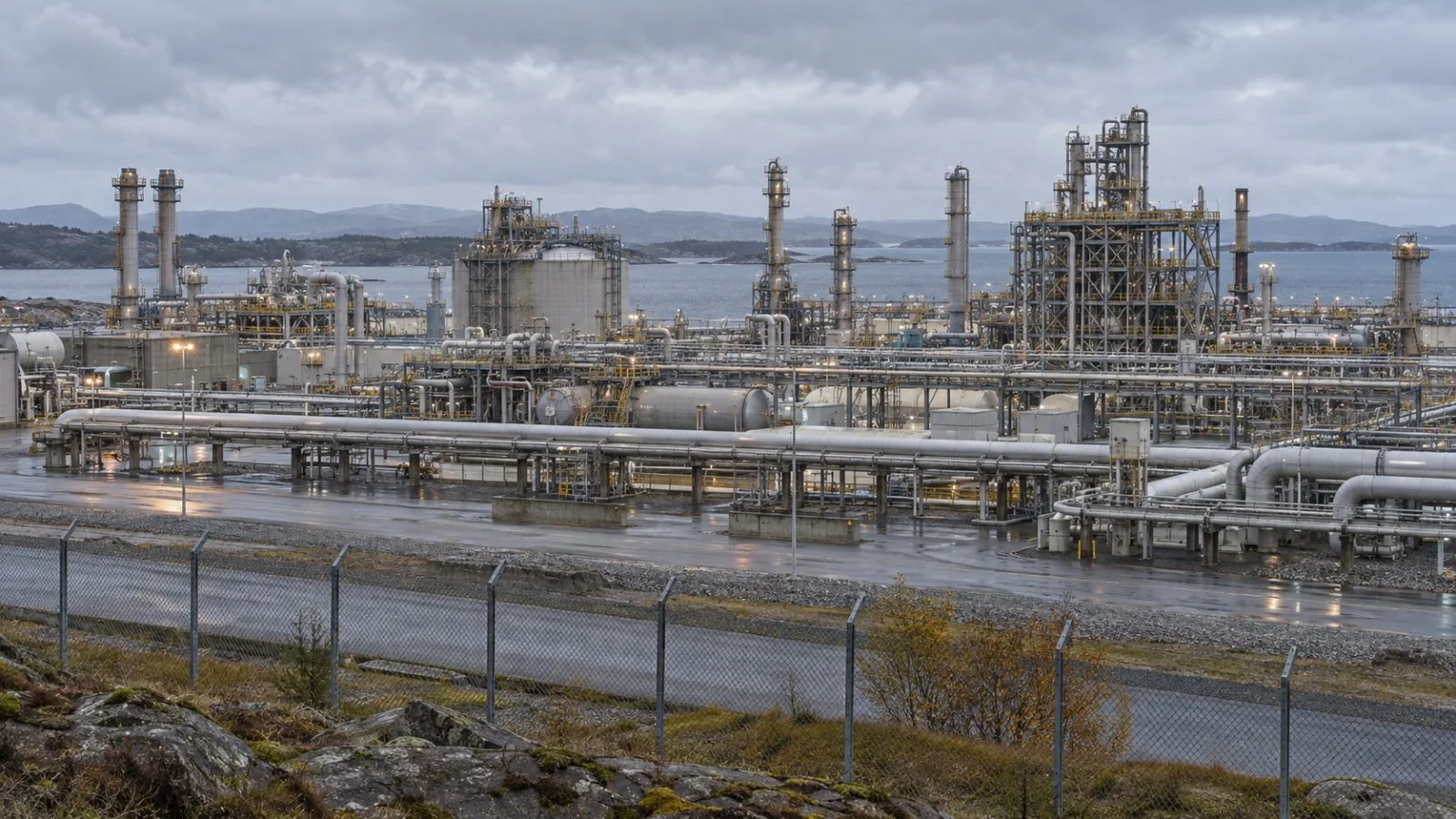
German storage operators urged a requirement for suppliers to use storage after facilities missed their Nov. 1 filling targets, while the energy regulator had assessed the risk of strained supply as low.
Initiative Energien Speichern e. V. (INES), which represents storage operators, reported a nationwide fill level of 61.5% on Nov. 1. It warned that smaller reserves could leave Germany more exposed during unusually cold weather. Federal rules set an 80% target for most facilities and 45% for six designated sites; together, those site targets have an approximate nationwide equivalent of 70%, rather than a separate national requirement.
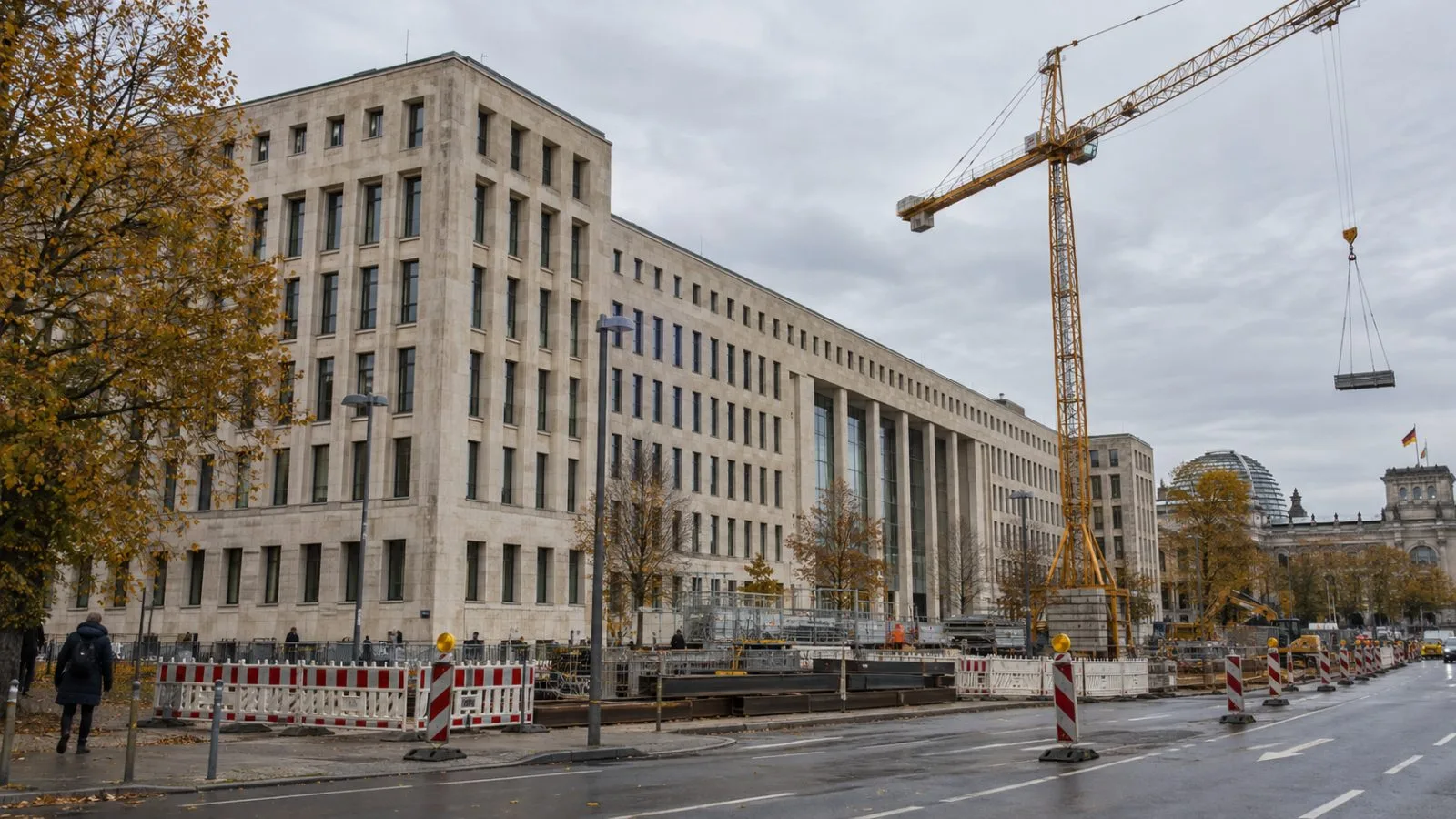
Germany’s Federal Network Agency said in an Oct. 27 assessment that gas supply was stable and the risk of strained supply was low. Storage is only part of that assessment, the agency said: demand, pipeline deliveries, liquefied natural gas imports and the infrastructure connecting supplies to users also matter. Gas is typically stored during warmer months for use in winter.
The Economy Ministry said higher prices linked to tensions in the Strait of Hormuz were among the reasons storage filled more slowly. The regulator said traders choose among stored gas, pipeline supply and liquefied natural gas based partly on purchase prices. Any effect of higher wholesale prices on customers depends on suppliers’ contracts and buying strategies, it said.
INES called for an obligation requiring suppliers to use storage and said the ministry was open to discussing one. Separately, the government instructed state-owned SEFE Securing Energy for Europe GmbH (SEFE) to buy and store eight terawatt-hours of gas by Dec. 15. The government said SEFE would decide when to make the purchases and inject the gas.
The shortfall comes as European Union gas storage stood at 74.6% on Oct. 20. The European Commission said then that the bloc had no current supply-security issue, though it warned of a difficult winter.
INES plans to update its gas scenarios Nov. 10. The next German storage threshold is Feb. 1, 2027, when most facilities must be at least 30% full and four Bavarian facilities must reach 40%, according to the regulator.