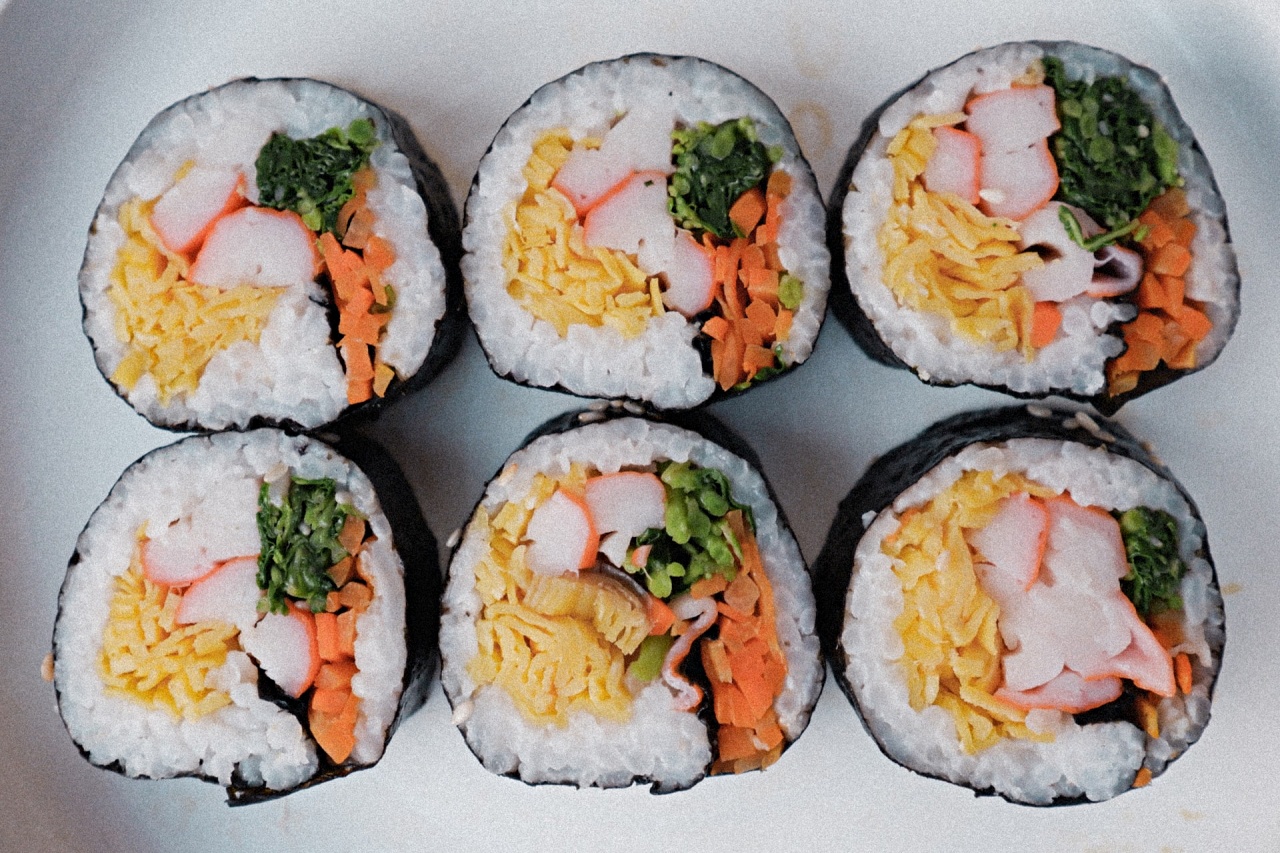
Gimbap is a food staple in South Korea, and the citizens also love this for its low price. It makes them feel full without paying a lot, but today, with the inflation and continued price increases in the country, the favorite Korean dish made from rice, fillings, and wrapped in seaweed sheets is no longer cheap.
Korea Joongang Daily reported that the cost of gimbap in Korea has broken past the usual KRW3,000 or about $2.17 as prices continue to increase. It was noted that the prices of food in the country had surged a lot this year, and gimbap is affected as well. It is now 11.5% costlier compared to the previous year.
The Korean rice rolls are enjoyed by people across South Korea, and often, they are picked as the best option for a snack because it is very convenient and easy to carry and find. It was said that there was a time when it was sold for just KRW1,000 won, which is a third of its current price.
Some of the things that caused price increases of goods and food include the war in Ukraine, the severe weather, and shortages of leading commodities. The labor costs have also gone up, and this is another reason why food prices are getting more expensive these days.
This month, the price of gimbap in Seoul is now KRW3,046 won, which is 2.59% up from July’s rates. The Korea Consumer Agency confirmed the new prices. In South Gyeongsang, the rolled dish is even more pricey at KRW3,177 per piece. Mainly, the prices of ingredients for making gimbap, such as spinach, ham, eggs, crab meat, and pickled radish, have gone up, so the product is sold at higher prices too.
The cost of other food favorites in South Korea has shot up over the past month as well. Samgyepsal, or the pork belly, now costs KRW18,364 per 200 grams and saw a 1.7% increase, while a bowl of kimchi stew saw a one percent rise to KRW7,500. Prices of samgyetang chicken soup and kalguksu have also climbed by 0.5 to .07%
“Unless the rising international raw material prices and the won’s depreciation subside, the upward pressure on food prices will continue,” Inha University’s consumer sciences professor, Lee Eun Hee, said in a statement regarding the soaring prices. “The growing burden on consumers itself is a problem, but from the point of view of business owners, it isn’t easy to raise the price because of concerns that customers will stop coming.”