
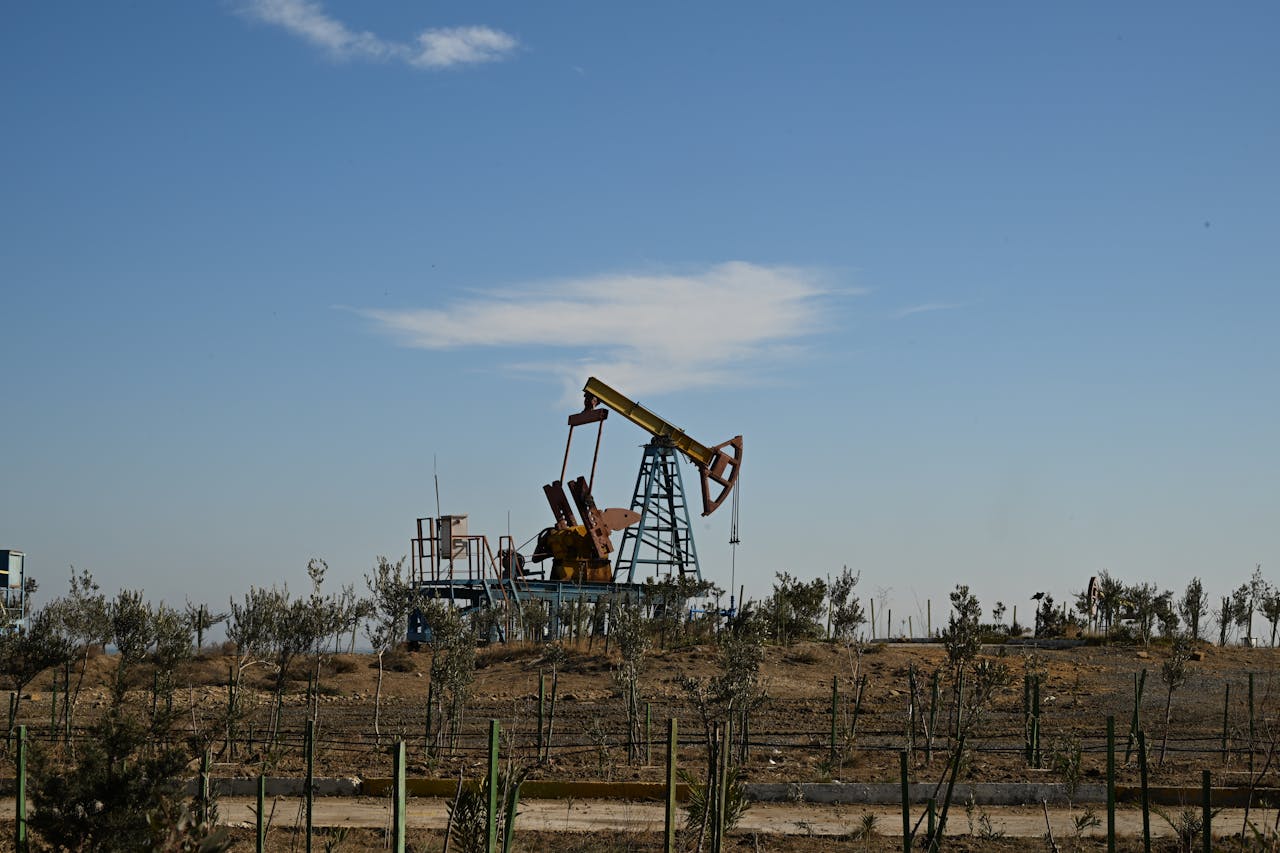
The global bond market has faced intense pressure over the past two weeks as investors reacted to soaring oil prices and growing inflation concerns tied to escalating Middle East tensions. The ongoing disruption around the Strait of Hormuz, one of the world’s most critical oil shipping routes, has triggered a sharp selloff in government debt markets worldwide, pushing bond yields to multi-year and record highs.
Traders are increasingly betting that major central banks, including the Federal Reserve, Bank of England, and Bank of Japan, may keep interest rates higher for longer or even introduce additional rate hikes to contain inflation caused by surging energy costs. As a result, investors have moved away from government-backed bonds, sending yields sharply upward across global markets.
Japan’s 10-year government bond yield climbed to its highest level since 1996, while its 30-year yield reached a record high. In the United Kingdom, 30-year gilt yields surged to levels last seen in 1998. Meanwhile, U.S. Treasury yields also advanced significantly, with the benchmark 10-year Treasury yield hitting a one-year high and the 30-year yield rising to levels not seen since 2007.
Goldman Sachs analysts warned that the rapid rise in bond yields is beginning to weigh heavily on equity markets, including the S&P 500. According to the investment bank, the relationship between stocks and interest rates has turned increasingly negative as investors become more sensitive to inflation and monetary policy risks.
The analysts pointed to several factors driving market fragility, including elevated bond yields, expensive stock valuations, resilient economic growth, and late-cycle market conditions fueled by optimism around artificial intelligence and technology stocks. Goldman Sachs also noted that the recent jump in U.S. 10-year yields exceeded historical thresholds that often lead to weaker stock market performance.
Markets are currently viewing the Middle East conflict primarily as an inflation shock rather than a growth crisis, increasing pressure on both bonds and equities as investors reassess global economic risks heading into 2026.


