The ongoing U.S.-Israeli conflict with Iran has already inflicted more than $25 billion in losses on companies worldwide, with costs expected to rise further as energy prices surge and supply chains remain disrupted. A Reuters analysis revealed that hundreds of businesses across the United States, Europe, and Asia are struggling to cope with the growing economic impact caused by the escalating geopolitical tensions.
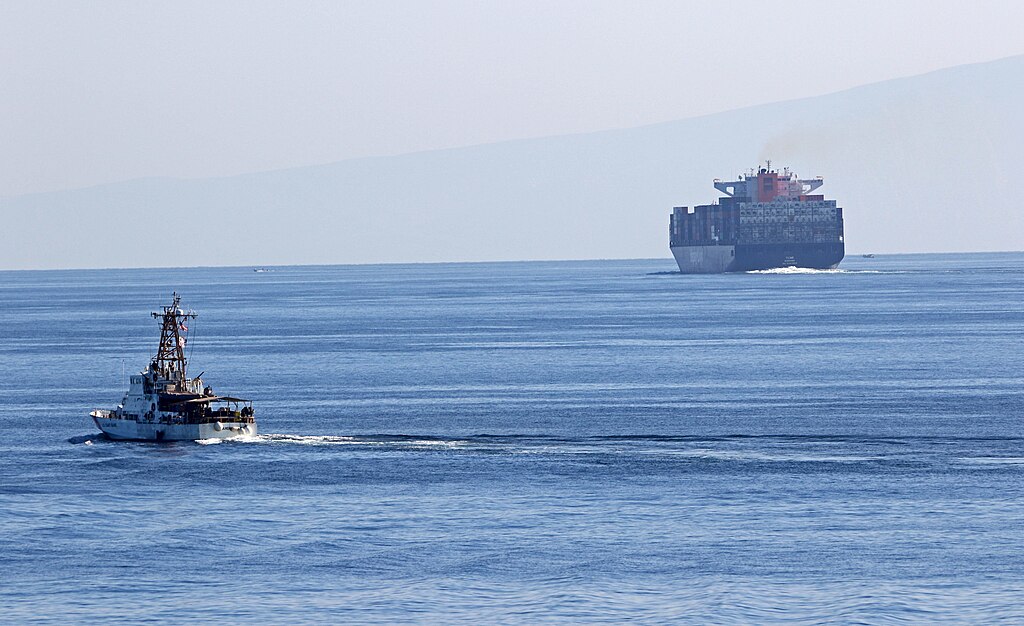
More than 279 companies have taken emergency measures to reduce financial damage, including increasing prices, cutting production, suspending dividends, furloughing workers, and adding fuel surcharges. Industries ranging from airlines and automotive manufacturers to consumer goods companies are facing severe pressure due to Iran’s blockade of the Strait of Hormuz, one of the world’s most critical oil shipping routes.
Oil prices have surged above $100 per barrel, increasing transportation and manufacturing costs globally. Major corporations such as Toyota, Procter & Gamble, McDonald’s, Whirlpool, and Continental have warned investors about declining profits and weaker consumer demand. Airlines have been among the hardest hit, accounting for nearly $15 billion in additional expenses as jet fuel prices continue to climb.
The conflict is also driving inflation concerns higher, especially in Europe and Asia, where many countries heavily depend on Middle Eastern oil supplies. Businesses in sectors like chemicals, industrial manufacturing, and consumer goods have already announced price increases to offset rising raw material and energy costs.
Analysts believe the full financial impact has not yet appeared in corporate earnings reports, but forecasts for second-quarter profit margins are already being downgraded. Experts warn that prolonged instability in the Middle East could further weaken global economic growth, hurt consumer confidence, and place additional strain on already fragile international supply chains.