Auto repair shops and car dealerships in Japan and the United States continue to face shortages of motor oil, automotive paint, and other petroleum-based products as supply chain disruptions caused by the Middle East conflict linger. Industry experts warn that even if a peace agreement between the United States and Iran moves forward, relief for the automotive sector may not arrive quickly.
The disruption began after Iran's closure of the Strait of Hormuz, a vital shipping route responsible for transporting nearly 20% of the world's oil supply. The blockage created significant bottlenecks for petroleum-derived products, affecting businesses ranging from small auto repair shops in Tokyo to car dealerships in Detroit.
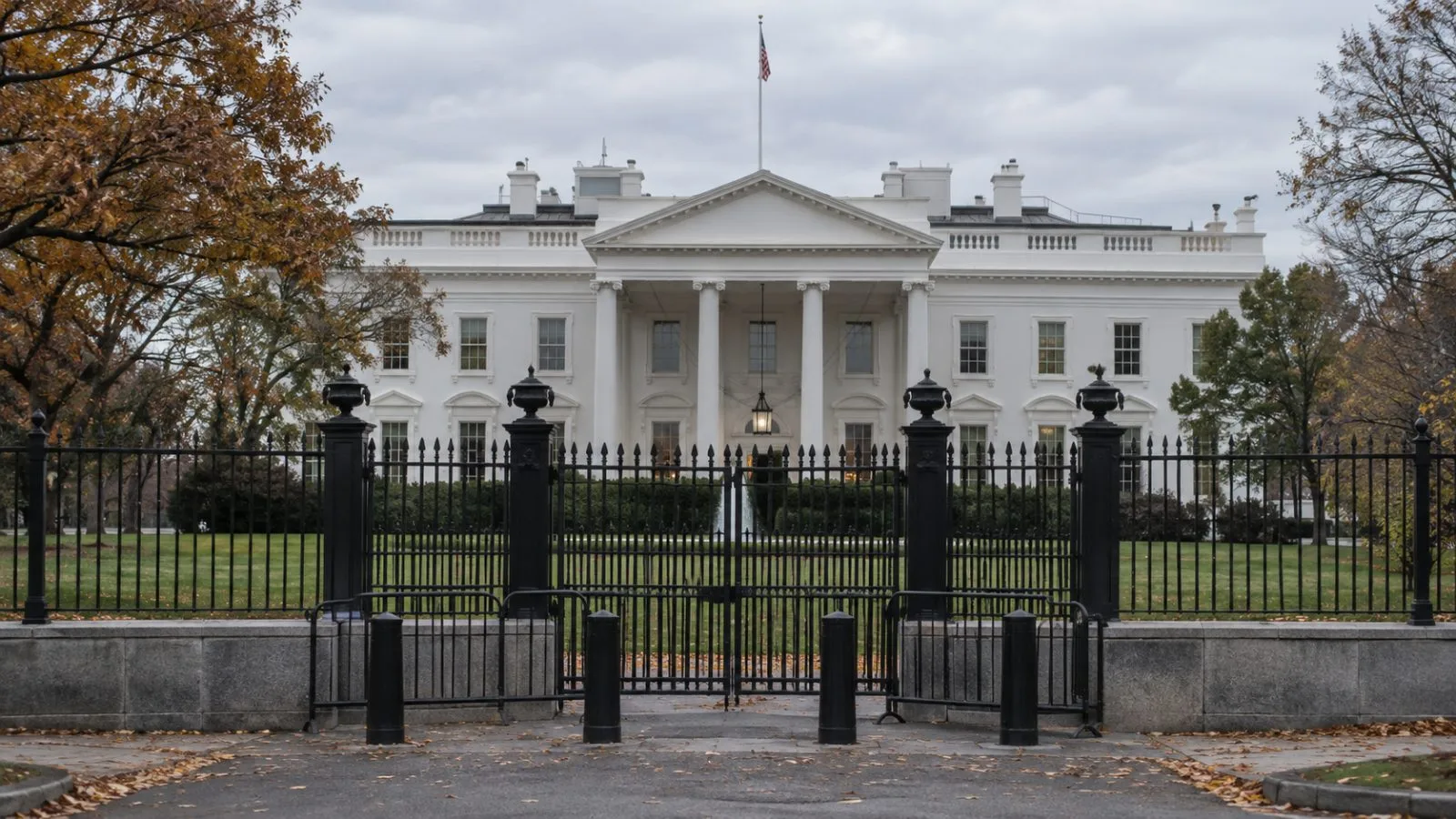
U.S. President Donald Trump announced that a preliminary agreement aimed at ending the conflict had been signed, although details remain limited. Experts say it could take considerable time before shipping activity through the Strait of Hormuz returns to normal and global supply chains stabilize.
In Japan, repair shop owners report unprecedented shortages. Hiroyuki Nakamura of Shin Etsu Denso in Tokyo said supplies of motor oil nearly disappeared after the conflict escalated, while shortages of paint thinner and diesel exhaust fluid have also affected operations. Many businesses have struggled to maintain normal service levels.
Automotive paint supplies have been particularly tight. Popular colors such as pearl white, widely used on Japanese vehicles, have become difficult to source. Masato Yagai, president of Fuchu Car, said limited availability of pearl paint materials could force repair shops to postpone paint work while still completing mechanical repairs.
The supply crunch has also spread to the United States. The attack on a Shell gas-to-liquids facility in Qatar disrupted production of Group III base oil, a key ingredient in synthetic motor oil. As a result, lubricant prices have increased, and industry groups expect elevated costs to continue until at least 2027.
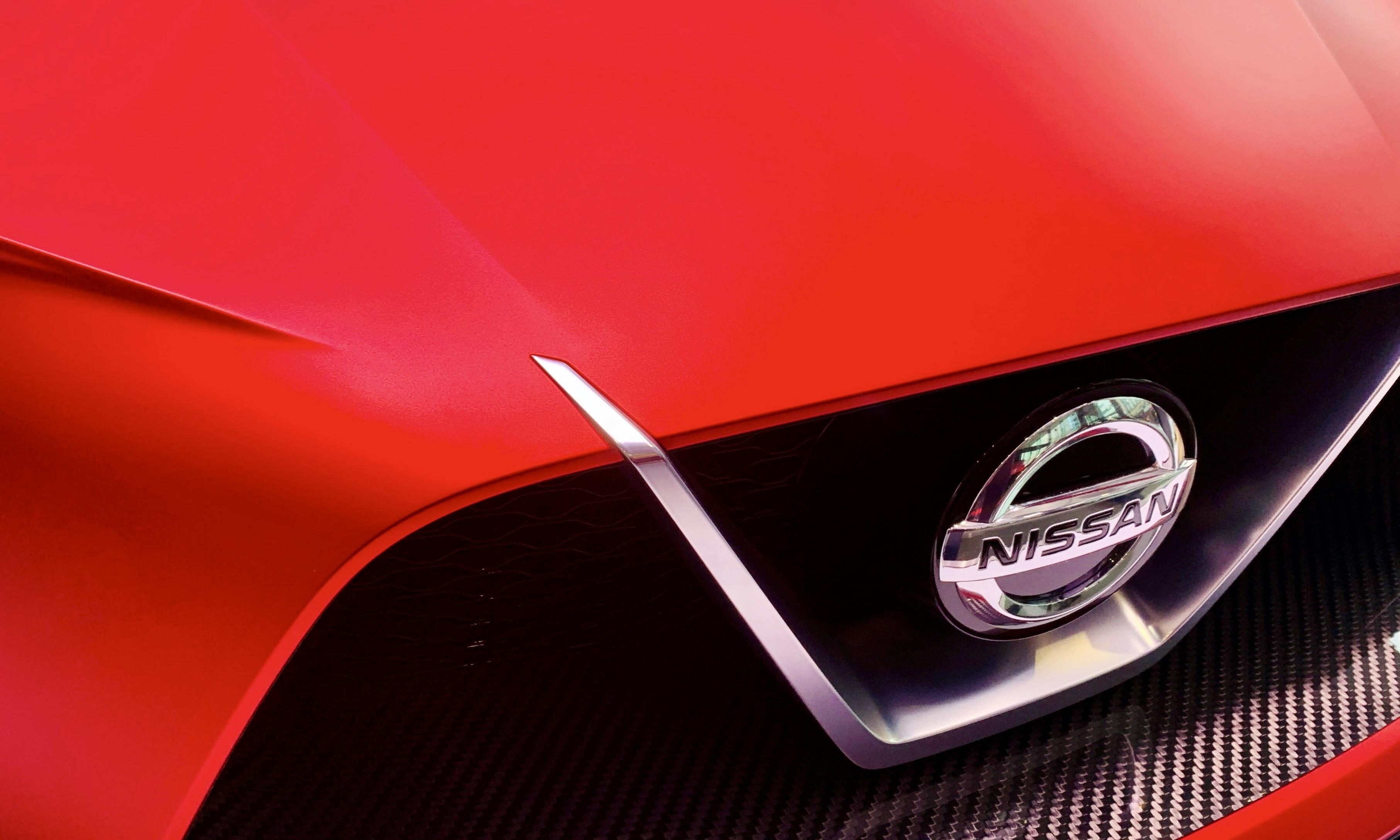
Automakers are taking preventive measures. Nissan has introduced oil-rationing policies at some U.S. dealerships to help manage inventory, while dealers nationwide remain concerned about declining supplies of synthetic lubricants.
Although Japanese authorities and major paint manufacturers say overall supplies are improving, smaller repair shops continue to face challenges. Industry analysts note that larger companies often have greater ability to stockpile products, leaving smaller businesses more vulnerable to shortages and rising costs.
As global energy markets recover, the automotive industry will continue monitoring oil supplies, lubricant availability, and automotive paint inventories to determine when normal operations can fully resume.