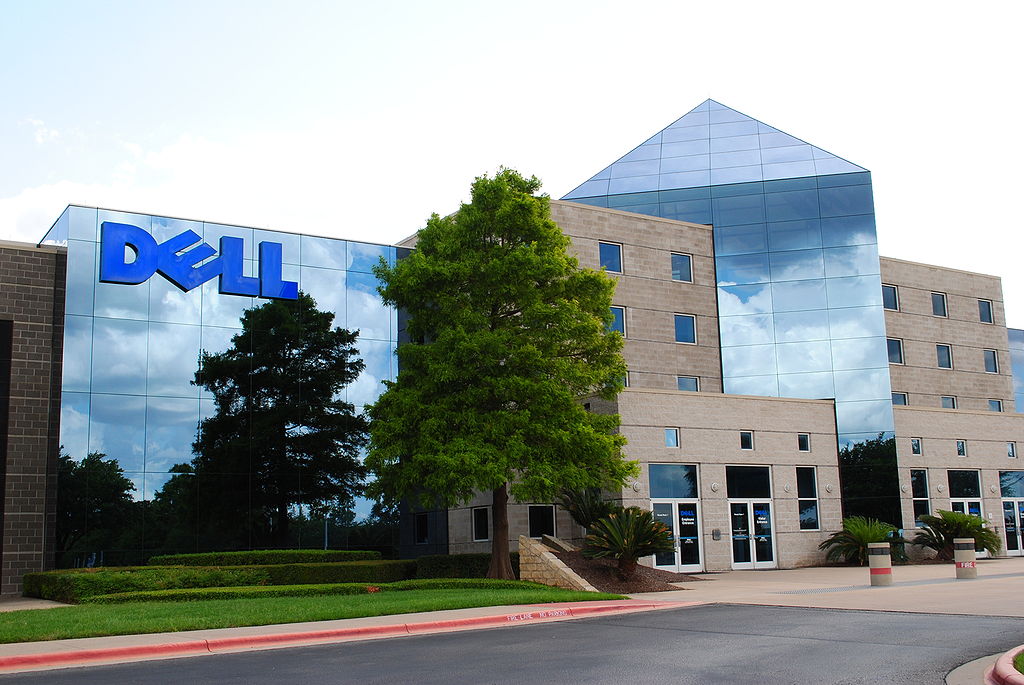
Major PC manufacturers including HP, Dell, Acer, and Asus are reportedly exploring the option of sourcing memory chips from Chinese semiconductor companies for the first time, as a prolonged global supply crunch continues to disrupt the technology industry. According to a report by Nikkei Asia published on Thursday, the shortage of key components such as DRAM and NAND flash memory is threatening product launch timelines and driving up production costs for hardware makers worldwide. Reuters said it could not independently verify the report.
The global semiconductor shortage, which began during the COVID-19 pandemic, has been fueled by surging demand for electronics, supply chain bottlenecks, geopolitical tensions, and limited manufacturing capacity. Memory chips are a critical component in personal computers, laptops, and servers, and shortages have had a direct impact on PC shipments and pricing. As a result, leading PC brands are under pressure to secure stable and cost-effective supply sources to remain competitive.
Traditionally, the memory chip market has been dominated by major suppliers from South Korea, the United States, and Japan. However, tight supply conditions and rising prices have prompted PC makers to consider alternative suppliers, including emerging Chinese chipmakers. Companies in China have been steadily expanding their semiconductor capabilities as part of the country’s broader push for technology self-sufficiency, investing heavily in memory chip production despite facing restrictions on access to advanced manufacturing equipment.
If PC makers move forward with sourcing memory from Chinese suppliers, it would mark a significant shift in global semiconductor supply chains. Such a move could help ease short-term supply constraints and potentially reduce costs, but it may also raise concerns related to quality control, long-term reliability, and geopolitical risk, particularly given ongoing trade tensions between China and Western countries.
The reported discussions highlight how severe the global chip shortage has become, forcing even the largest technology companies to rethink long-established sourcing strategies. As demand for PCs remains strong due to remote work, online education, and digital transformation, securing a stable memory chip supply will remain a top priority for the tech industry in the months ahead.