


 Asian Currencies Mixed as Yen Weakens, Dollar Holds Firm
  US Stock Futures Flat as Fed Minutes, Earnings Loom
  US Dollar Hits 18-Month High as Fed Signals More Rate Hikes
  Wall Street Falls as Oil Prices Rise and Tech Stocks Slide
  Mike Rogers Calls for End to US-Canada Tariff War
  US-Led Coalition Targets Global Factory Overcapacity
  Bangladesh GDP Growth Accelerates to 4.6% on Industrial Rebound
  Gold Prices Rise as Dollar Weakens, Treasury Yields Fall
  Oil Prices Rise as Hormuz Risks Offset IEA Stock Release
  Gold Prices Fall as Stronger Dollar Weighs on Bullion
  Japan Real Wages Rise 1.5%, Supporting BOJ Rate Hikes
  US, EU Push for Action Against Asia’s Excess Factory Capacity
  Asian Currencies Steady as Dollar Eyes Fourth Weekly Gain
  Dollar Near 18-Month High as Euro, Yen and Pound Weaken
  Gold Prices Rise as Hormuz Tensions Fuel Inflation Risks
  Oil Prices Rise as Gulf Hurricane and Middle East Supply Risks Mount


 Add as a preferred source on Google
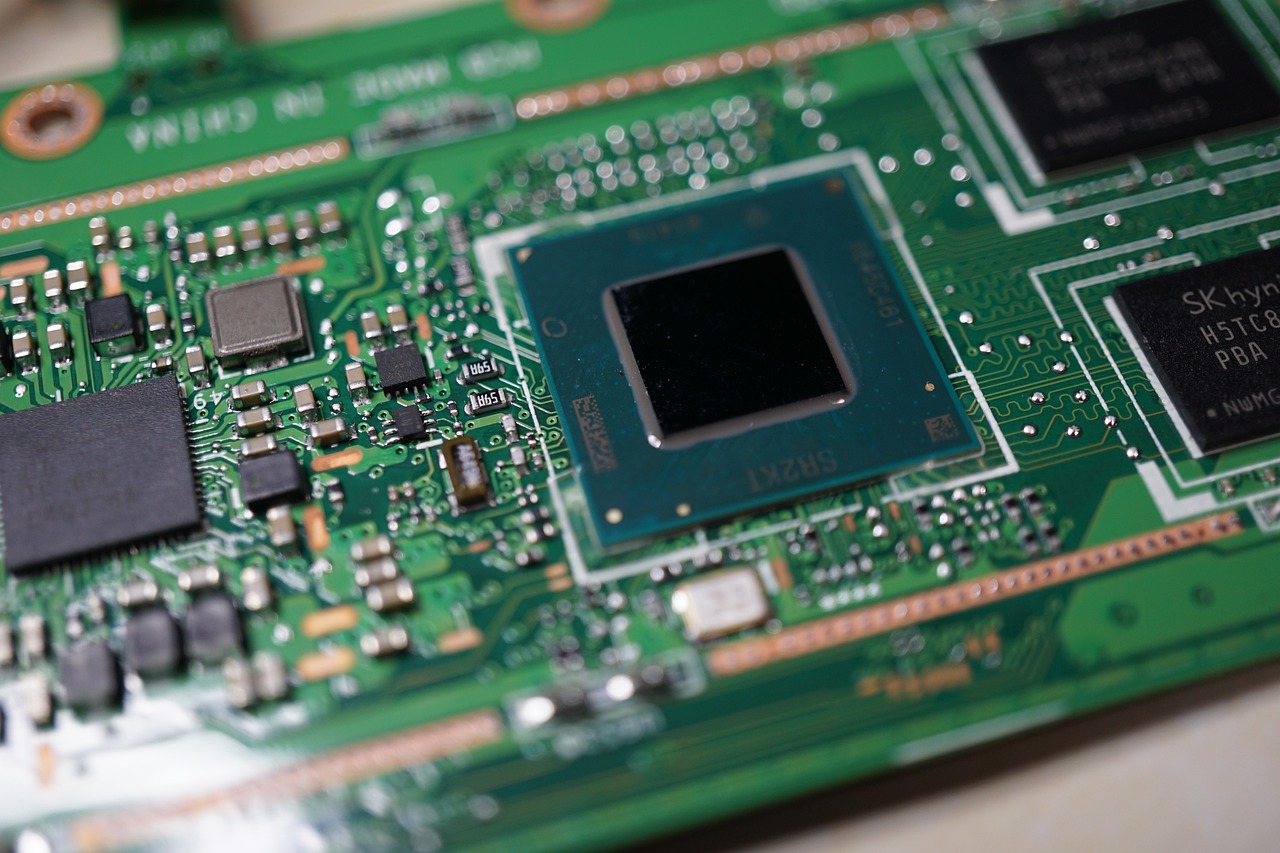
The ongoing conflict in the Middle East is sending shockwaves through the global electronics industry, driving up prices of printed circuit boards (PCBs) and disrupting the supply of critical raw materials. PCBs are essential components used in nearly all electronic devices, including smartphones, computers, and AI servers, making the impact widespread across multiple sectors.
A major trigger behind the price surge is the disruption of high-purity polyphenylene ether (PPE) resin production. Iran’s recent strike on Saudi Arabia’s Jubail petrochemical complex forced a halt in operations, significantly affecting global supply. SABIC, which produces around 70% of the world’s high-purity PPE, has yet to resume output, tightening availability and increasing costs for PCB manufacturers worldwide. Additionally, shipping routes in the Gulf region have been heavily affected, further straining supply chains.
PCB prices have already been rising since late 2025 due to strong demand for AI infrastructure. However, the situation worsened in April, with prices jumping by as much as 40% compared to March, according to industry analysts. Cloud service providers continue to absorb these higher costs, anticipating sustained demand growth for AI servers in the coming years.
Electronics manufacturers are now facing multiple cost pressures, including rising prices of copper foil and glass fiber—two key materials in PCB production. Copper alone accounts for roughly 60% of total raw material costs, and its price has surged by up to 30% this year. Supply shortages have also extended lead times for materials like epoxy resin from three weeks to as long as 15 weeks.
Industry players such as South Korea’s Daeduck Electronics have begun negotiating price increases with major clients, including Samsung Electronics and SK Hynix. Meanwhile, Chinese supplier Victory Giant Technology has warned that geopolitical tensions could push costs even higher.
Despite these challenges, the global PCB market is projected to grow 12.5% to reach $95.8 billion in 2026, driven largely by expanding demand for advanced electronics and AI technologies.







