The U.S. dollar weakened slightly on Friday as investor confidence improved following comments from President Donald Trump regarding a possible peace agreement between the United States and Iran. The prospect of easing geopolitical tensions reduced demand for the dollar as a safe-haven asset, although the currency remained on track for a strong monthly performance driven by higher bond yields and expectations of future interest rate increases.
Currency markets closely monitored developments surrounding the proposed US-Iran agreement. Trump stated that he would meet with senior officials to make a final decision on a framework aimed at reducing tensions between Washington and Tehran. According to the proposal, Iran would commit to preventing the development of nuclear weapons, while restrictions affecting key trade routes and maritime activity could be eased.
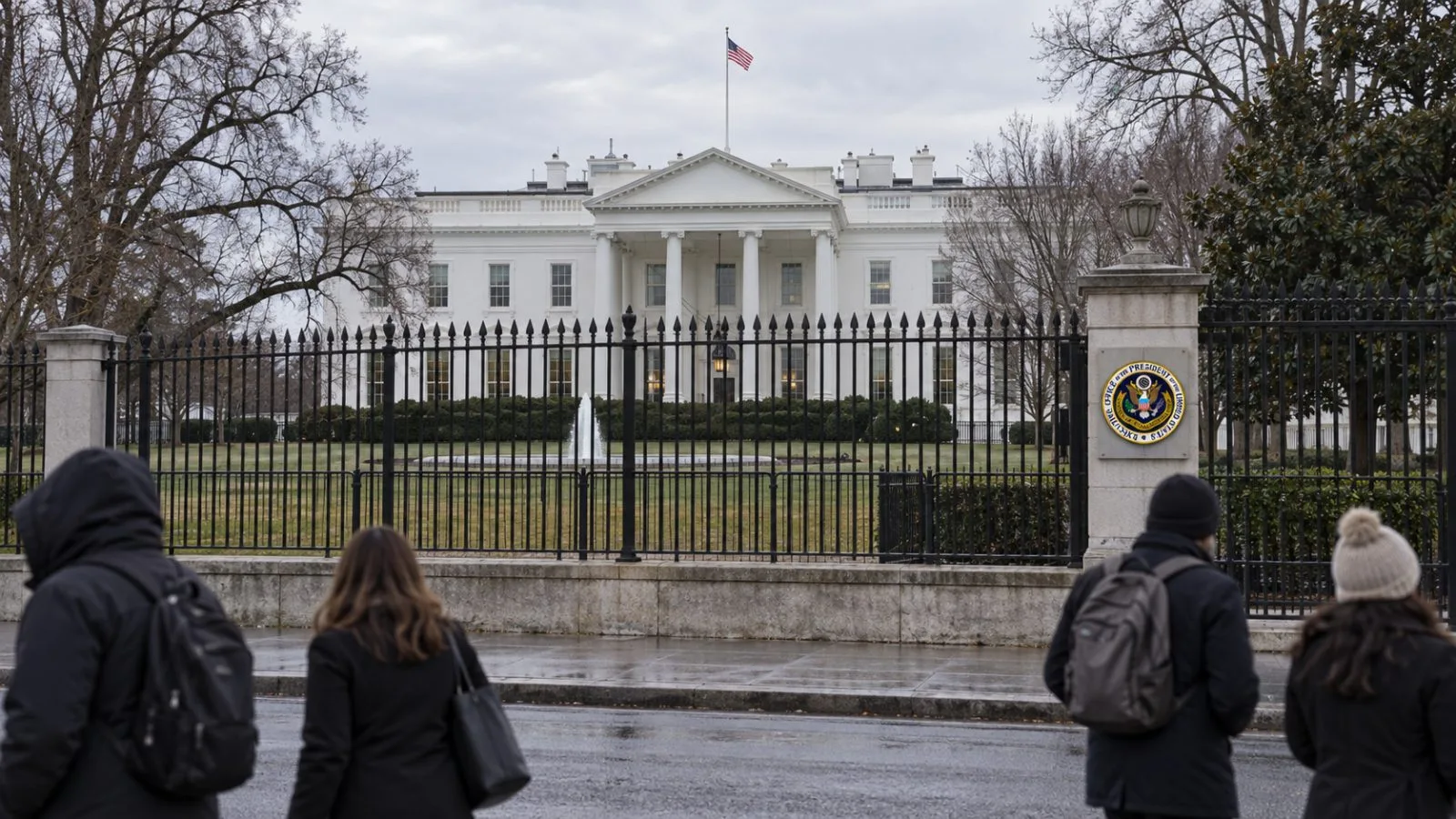
Despite the announcement, uncertainty remains. Iranian media outlets disputed several details of the proposed agreement, while government representatives indicated that formal negotiations on certain nuclear-related issues had not yet occurred. Reports also suggested that no final decision emerged from discussions held at the White House.
The possibility of a peace deal has had a noticeable impact on global markets, particularly oil prices. Expectations that the Strait of Hormuz could reopen without disruption contributed to lower crude oil prices. Analysts believe that declining energy costs would benefit major energy-importing economies such as the Eurozone, the United Kingdom, and Japan, potentially supporting their currencies against the U.S. dollar.
However, market experts caution that the agreement has not been finalized. If oil prices remain elevated due to ongoing uncertainty, inflation pressures could persist worldwide. Higher inflation may encourage central banks, including the Federal Reserve, to maintain a tighter monetary policy stance, supporting higher interest rates and strengthening the dollar over time.
Meanwhile, the Japanese yen remained under pressure despite significant intervention efforts by Japanese authorities. Government data showed that Japan spent more than $73 billion attempting to stabilize its currency. At the same time, weaker inflation figures in Tokyo reinforced expectations that the Bank of Japan will proceed cautiously with future policy adjustments.
As global investors continue to assess geopolitical risks, oil market trends, and central bank policies, currency markets are expected to remain highly sensitive to developments surrounding the US-Iran negotiations and the broader economic outlook.