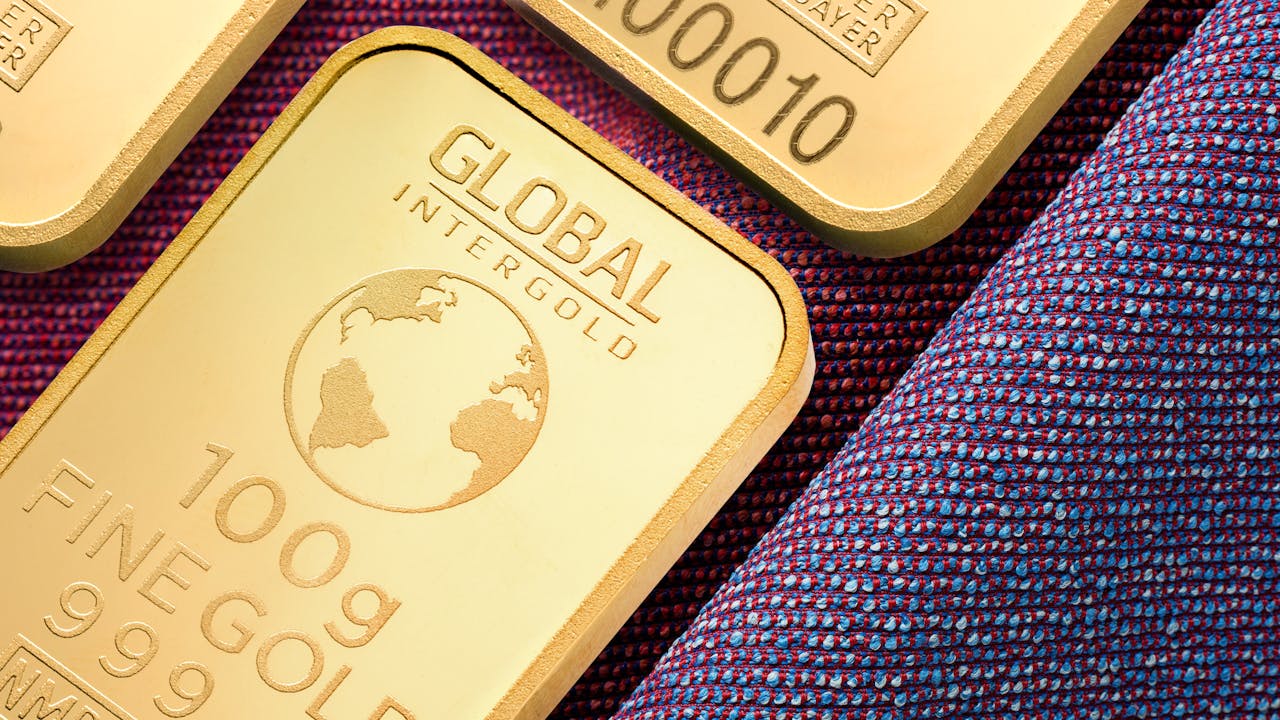
Gold prices moved higher on Monday, climbing back above the key $4,000-per-ounce level as investors balanced rising geopolitical tensions in the Middle East with expectations for the U.S. Federal Reserve's next policy decision. The precious metal regained momentum as safe-haven demand strengthened amid uncertainty over energy markets and inflation.
Spot gold (XAU/USD) rose 0.4% to $4,024.72 per ounce, while U.S. gold futures gained 0.5% to $4,029.87. Silver advanced 0.9% to $56.93 per ounce, while platinum edged 0.2% lower to $1,594.30.
Market sentiment remained cautious after renewed U.S. strikes on Iranian targets and President Donald Trump's warning that Tehran "will pay" following the deaths of three U.S. service members. Adding to concerns, Yemen's Iran-backed Houthi movement threatened a maritime blockade targeting Saudi Arabia, raising fears of disruptions to shipping routes in the Red Sea and potential impacts on global oil supplies.
Despite the heightened tensions, optimism over diplomatic efforts limited further gains in gold. Reports indicated that mediators are discussing proposals to reduce hostilities, including a possible 10-day pause in military operations, easing concerns over an immediate escalation.
The conflict has continued to support higher oil prices, prompting investors to assess whether rising energy costs could fuel inflation and influence future Federal Reserve policy. The central bank is widely expected to keep interest rates unchanged at next week's meeting, but traders will closely monitor its guidance for signals on inflation and the outlook for monetary policy.
According to Afdhal Rahman, Executive Director of Wealth Advisory at OCBC, gold's recent rally has faced pressure from higher real Treasury yields, a stronger U.S. dollar, and shifting expectations that interest rates could remain elevated for longer. However, he noted that ongoing geopolitical uncertainty and continued central bank purchases should provide long-term support for bullion prices.
Gold has traded near the $4,000 level in recent weeks after suffering a 14% decline during the second quarter, its weakest quarterly performance since 2013. Investors will continue watching Middle East developments, oil prices, inflation data, and upcoming Fed signals for the next direction in the gold market.