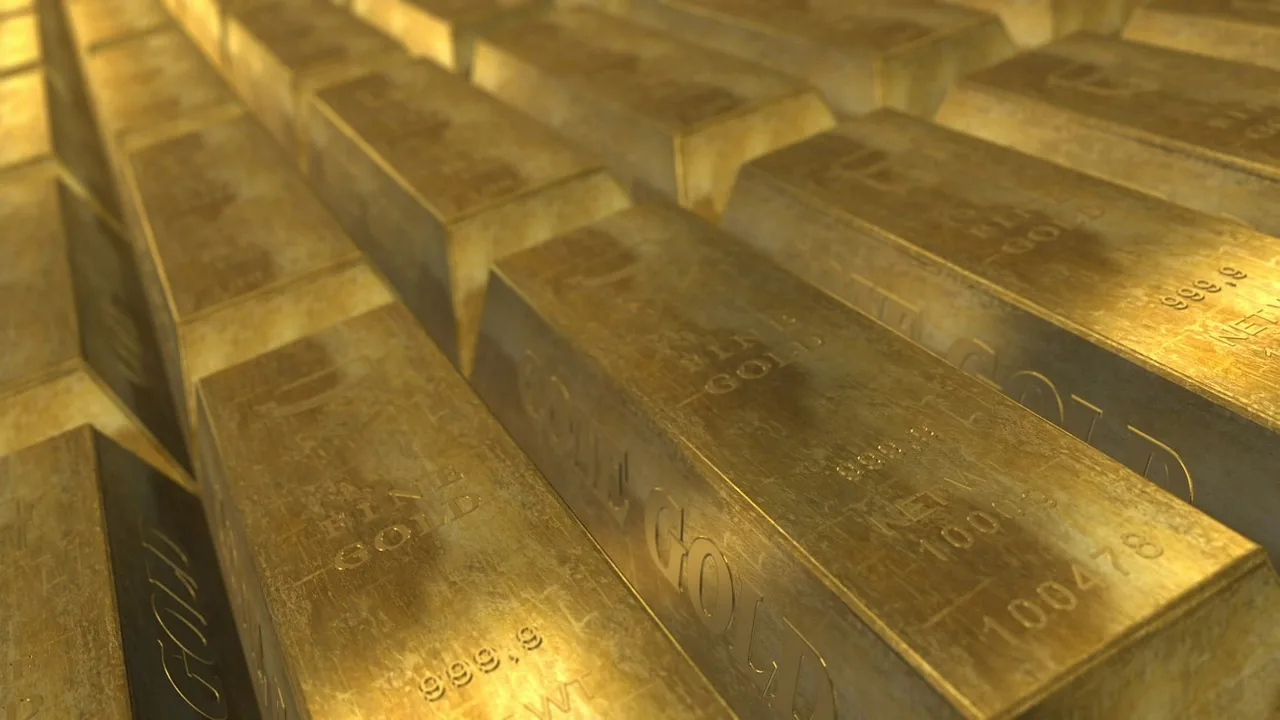
Gold prices surged to fresh all-time highs during Asian trading on Monday, driven by strong safe-haven demand amid escalating geopolitical and trade tensions. Spot gold climbed 1.8% to $4,675.55 an ounce by late evening ET, after briefly touching a record peak of $4,690.75 earlier in the session. U.S. gold futures also gained momentum, rising 1.9% to $4,681.10 an ounce, reflecting heightened investor appetite for precious metals.
The rally extended last week’s powerful uptrend, during which gold recorded consecutive record highs. Expectations of U.S. interest rate cuts have been a key driver, as softer economic data and easing inflation pressures have reinforced the case for the Federal Reserve to begin monetary easing later this year. Lower interest rates typically boost gold prices by reducing the opportunity cost of holding non-yielding assets, making bullion more attractive in uncertain economic environments.
Geopolitical developments further supported the gold market. U.S. President Donald Trump announced plans to impose new tariffs on eight European nations that oppose his proposal for the United States to acquire Greenland. According to Trump, a 10% tariff on goods from the affected countries will take effect on February 1, with the rate potentially increasing to 25% by June if negotiations fail. The targeted nations include major economies such as France, Germany, and the United Kingdom, as well as several Nordic and northern European countries.
The announcement sparked criticism from European officials and raised concerns over a widening transatlantic trade dispute. These fears prompted investors to shift capital into safe-haven assets like gold and silver. Silver prices also soared, jumping more than 4% to reach a new record high of $94.03 an ounce. The metal has benefited not only from safe-haven flows but also from its importance in industrial applications, particularly in renewable energy and electronics.
Adding to bullish sentiment, renewed tensions in the Middle East, including concerns involving Iran, have amplified geopolitical risk. Together, trade uncertainty, geopolitical instability, and expectations of U.S. rate cuts have created a highly supportive environment for precious metals, pushing gold prices to unprecedented levels and reinforcing its role as a hedge against global uncertainty.