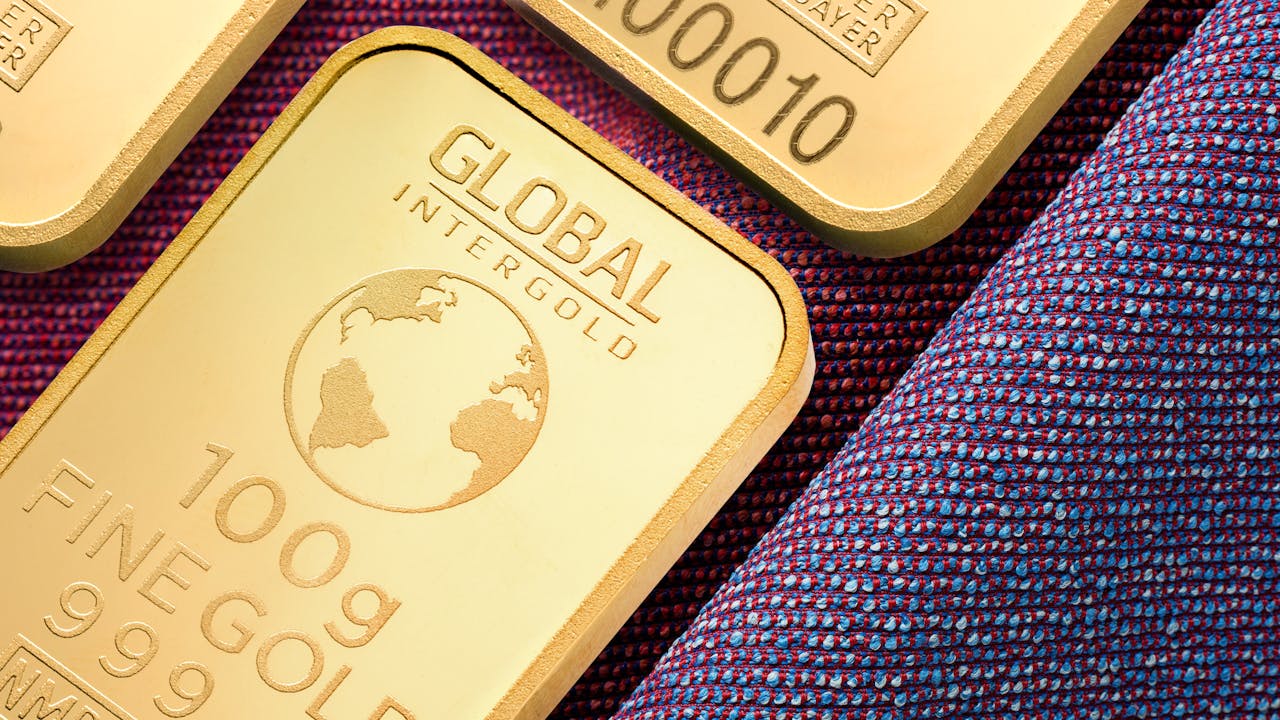
Gold prices stabilized on Friday as weaker-than-expected U.S. nonfarm payrolls data eased concerns over additional Federal Reserve interest rate hikes, helping bullion recover after recently falling to an eight-month low. The softer labor market figures reduced expectations of tighter monetary policy, boosting demand for safe-haven assets and supporting a rebound in precious metals.
Spot gold edged up 0.1% to $4,128.74 per ounce by 19:55 ET (23:55 GMT), while U.S. gold futures climbed 0.4% to $4,142.25 per ounce. On a weekly basis, spot gold was up about 0.9%, putting the precious metal on track for its first weekly gain in five weeks.
Trading activity remained relatively muted ahead of the U.S. market holiday, although Thursday’s employment report sparked renewed buying interest across the metals market. Investors viewed the weaker payrolls data as a sign that the Federal Reserve may have less urgency to raise interest rates in the coming months.
Gold had come under significant pressure throughout the second quarter as persistent inflation concerns and expectations of higher borrowing costs weighed heavily on investor sentiment. During the June quarter, bullion lost roughly 13%, erasing its gains for the year as markets adjusted to the possibility of tighter U.S. monetary policy.
The U.S. Dollar Index also retreated from near 13-month highs following the jobs report, providing additional support for gold and other dollar-denominated commodities. A weaker dollar typically makes precious metals more attractive to international buyers.
Other precious metals also posted modest gains. Spot silver rose 0.15% to $61.0580 per ounce, while spot platinum added 0.2% to $1,627.92 per ounce, reflecting broader strength across the sector.
Despite the latest recovery, the outlook for gold remains closely tied to Federal Reserve policy. During its June meeting, Fed officials maintained a hawkish tone, while Fed Chair Kevin Warsh reiterated this week that the central bank remains committed to achieving its 2% inflation target. Those comments suggest policymakers are still prepared to keep monetary policy restrictive if inflation remains elevated.
Investors will continue monitoring upcoming U.S. economic data, inflation readings, and Federal Reserve commentary for further clues on the path of interest rates. Any signs of slowing economic growth or cooling inflation could provide additional support for gold prices, while stronger-than-expected data may revive expectations of tighter policy and weigh on bullion once again.