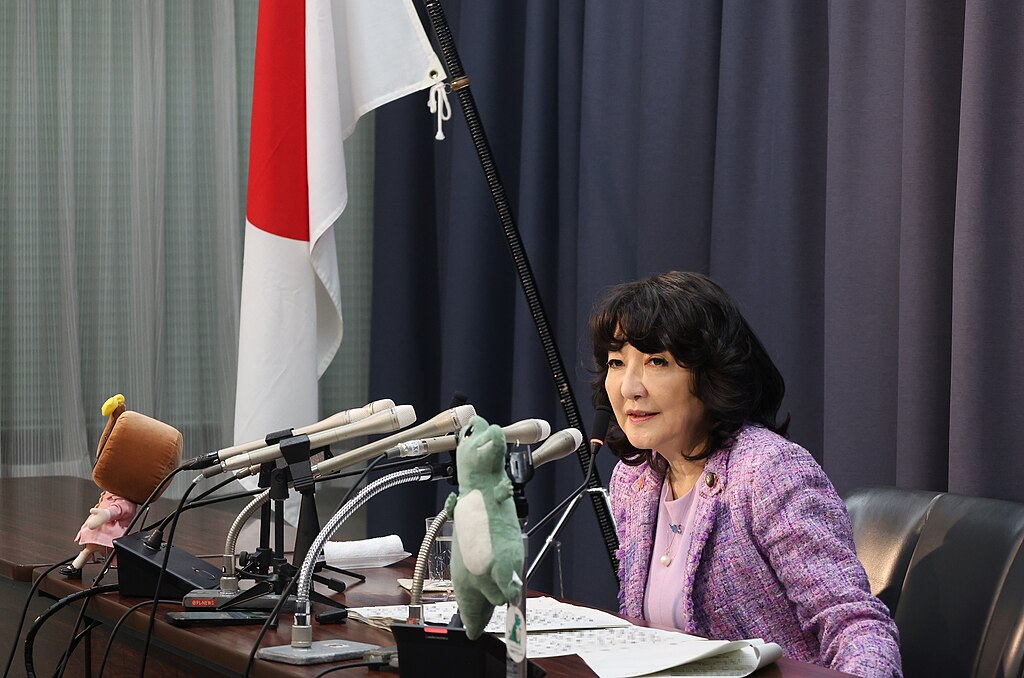
Japan’s Finance Minister Satsuki Katayama reiterated on Friday that the government is prepared to respond to excessive currency movements whenever necessary, reinforcing market expectations that Japanese authorities remain ready to intervene if the yen’s weakness becomes more pronounced.
Speaking at a regular press conference, Katayama said the government’s position on the foreign exchange market remains unchanged, stressing that officials will take appropriate action at any time if circumstances require it. Her comments come as investors closely monitor the yen after it hovered near multi-decade lows against the U.S. dollar.
Katayama also highlighted that Japan continues to maintain close communication with U.S. authorities regarding foreign exchange developments, noting that discussions continue even during U.S. public holidays. The statement underscores the importance of international coordination as global markets react to currency volatility and shifting monetary policy expectations.
The Japanese yen posted a sharp rally against the dollar on Thursday, prompting speculation among traders that Japanese authorities may have stepped into the market. While many market participants believed the initial move was too modest to clearly indicate official intervention, the currency extended its gains after weaker-than-expected U.S. employment data pressured the U.S. dollar and reduced expectations for tighter Federal Reserve policy.
On Friday, the yen traded around 161.2 per U.S. dollar, recovering from the 40-year low of 162.84 reached earlier this week. The currency remains under pressure as the wide interest rate gap between Japan and the United States continues to encourage investors to favor higher-yielding dollar assets.
Beyond foreign exchange concerns, Katayama also addressed the recent surge in Japanese government bond (JGB) yields. She reaffirmed the government’s commitment to preserving confidence in Japan’s bond market while ensuring the long-term sustainability of the country’s public finances.
Benchmark JGB yields climbed to their highest level in nearly three decades on Friday, reflecting growing investor concerns over Japan’s fiscal outlook. Rising bond yields and persistent yen weakness have increased pressure on policymakers, who now face the challenge of maintaining financial market stability while supporting economic growth.
Investors will continue watching Japan’s currency policy, movements in the yen, and any signs of official intervention as volatility in global financial markets remains elevated.