Gold prices fell Thursday as investors took profits after bullion recently climbed to a fresh two-month high. Despite the pullback, softer U.S. inflation data continued to support the precious metal by reducing expectations that the Federal Reserve will raise interest rates in September.
Spot gold dropped 1.3% to $4,352.23 per ounce, while gold futures declined 1.3% to $4,408.09 per ounce.
The latest U.S. Producer Price Index (PPI) reinforced signs that inflationary pressures may be stabilizing. July headline PPI was unchanged month over month and increased 4.7% year over year, below economists' forecasts. That compared with June's 0.1% monthly decline and 5.5% annual increase.
Core PPI, which excludes volatile components, rose 0.2% monthly and 4.2% annually. The monthly figure came in below the expected 0.3%, while the annual reading matched forecasts. Combined with July's consumer inflation data, the figures showed moderation in both headline and core inflation on an annual basis.
The softer inflation outlook influenced Federal Reserve interest rate expectations. According to the CME FedWatch tool, the probability of a September rate hike dropped to around 34%, while the likelihood of rates remaining unchanged increased to nearly 66%. Lower interest rates generally benefit non-yielding assets such as gold.
GDS Wealth Management chief investment officer Glen Smith said the weaker-than-expected PPI provided further evidence that inflation is stabilizing following an oil-driven surge linked to the Iran conflict. However, he expects the Fed to keep rates unchanged through the end of the year.
Meanwhile, oil prices retreated after six consecutive sessions of gains. Brent crude futures fell 2.3% to $86.97 per barrel as tensions surrounding the Strait of Hormuz remained elevated.
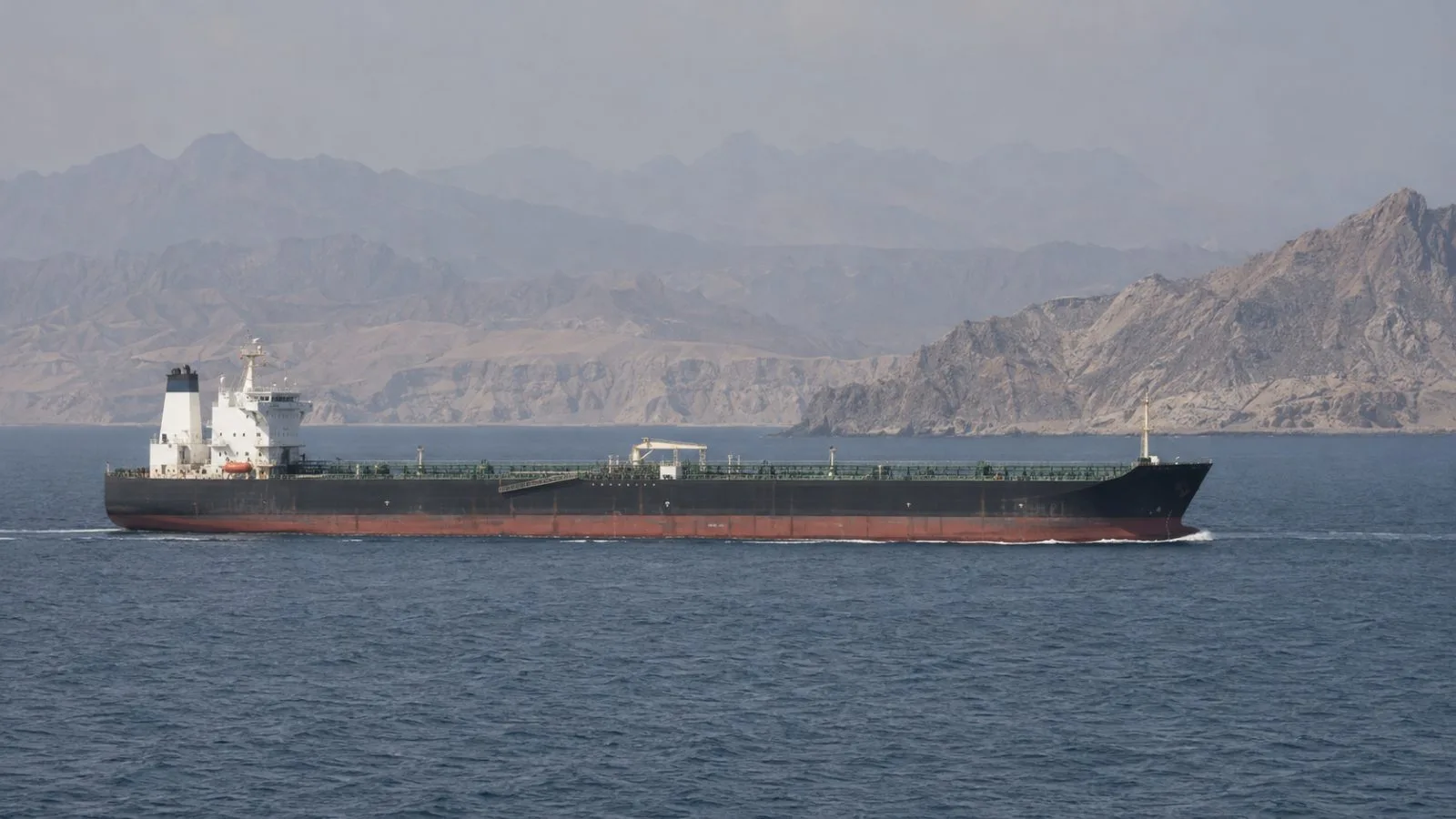
The U.S. and Iran continue to dispute control and commercial access to the crucial shipping route. Iran maintains that the strait remains under its control, while Washington insists it is open to commercial vessels. Shipping traffic has fallen sharply, while Houthi attacks around the Bab el-Mandeb Strait have added to concerns over global energy supplies and Middle East geopolitical risks.