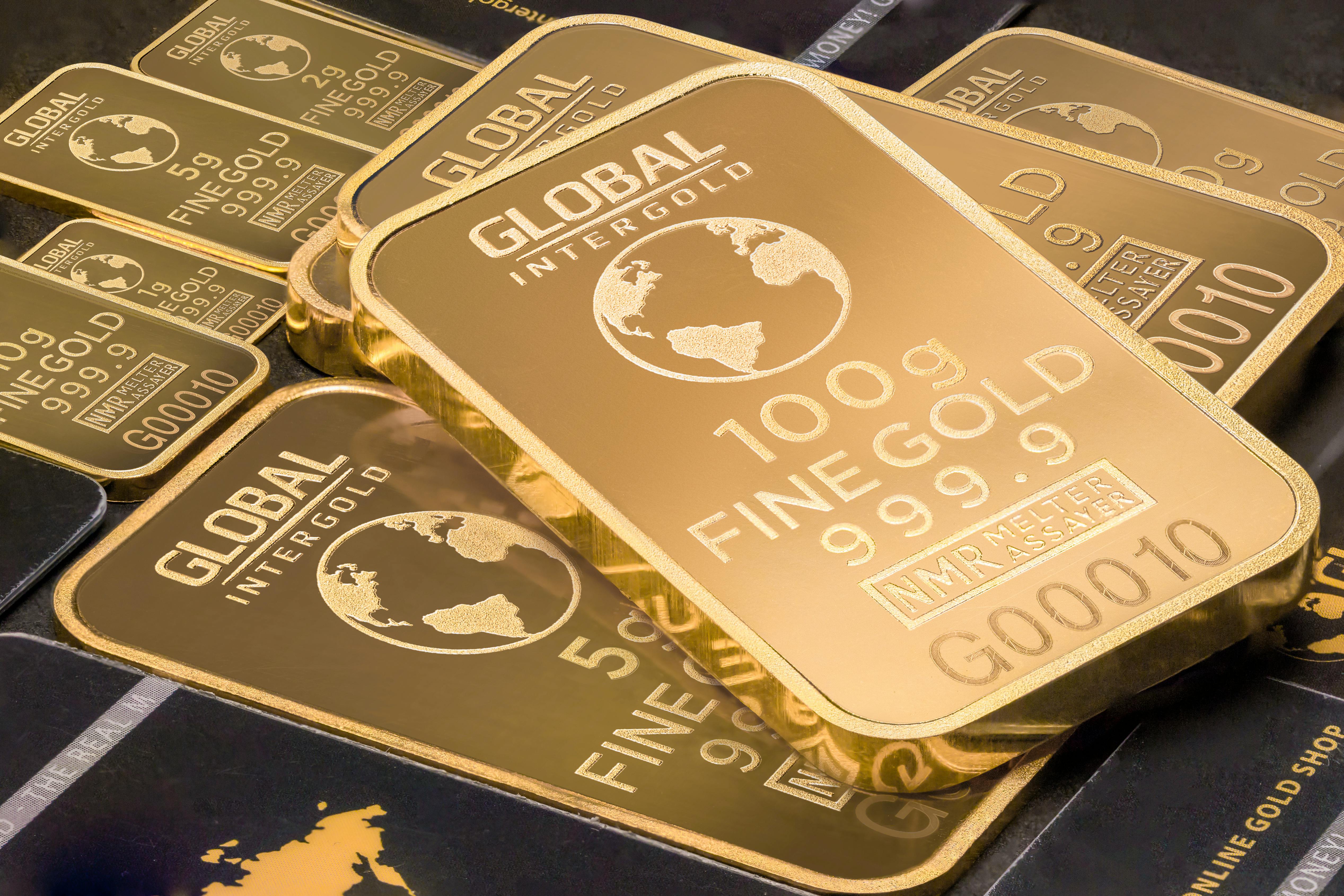
Gold prices moved lower on Thursday as a stronger U.S. dollar and rising geopolitical uncertainty pressured the precious metals market. Investors closely monitored escalating tensions in the Middle East, particularly the ongoing standoff between the United States and Iran, which continues to cloud the outlook for global markets.
Spot gold declined by 1.1% to $4,690.23 per ounce, while gold futures dropped 1% to $4,706.31 per ounce during late morning trading. The decline highlights how sensitive gold prices are to currency movements, especially as the U.S. dollar gains strength. A stronger dollar typically makes gold more expensive for international buyers, reducing demand and weighing on prices.
Market sentiment remained cautious as uncertainty persists around potential U.S.-Iran negotiations. Although former President Donald Trump extended a ceasefire earlier this week, both Washington and Tehran appear unwilling to compromise. Iran has insisted that U.S. sanctions be lifted before talks resume, while the U.S. has demanded full access to the Strait of Hormuz. The continued blockade in this critical oil passage has intensified concerns over global energy supply disruptions.
Oil prices surged above $100 per barrel, fueling fears of an energy shock that could drive inflation higher. This scenario increases the likelihood of central banks maintaining or raising interest rates. Higher interest rates tend to reduce the appeal of non-yielding assets like gold, further contributing to its recent decline.
The U.S. dollar, often seen as a safe-haven asset, is on track for its first weekly gain this month as investors seek stability amid geopolitical risks. This shift has added additional downward pressure on gold and other precious metals.
Silver prices fell 3% to $75.37 per ounce, while platinum dropped 3.5% to $2,015.35 per ounce. Analysts note that silver has pulled back nearly 10% from recent highs, with technical indicators suggesting uncertainty in its short-term direction.
Overall, the outlook for gold prices remains closely tied to U.S. dollar strength, interest rate expectations, and ongoing geopolitical developments.