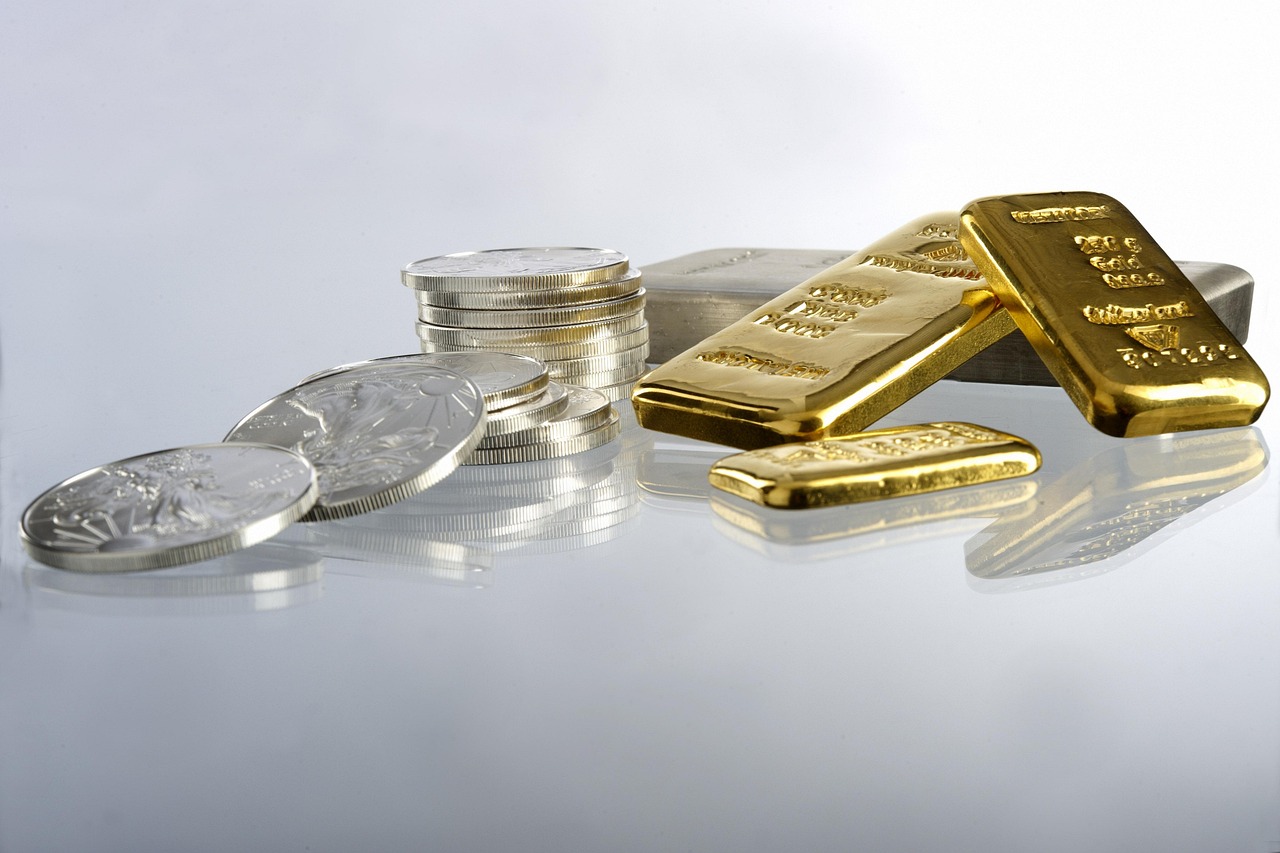
Gold and silver prices edged lower in Asian trading on Thursday after stronger-than-expected U.S. nonfarm payrolls data reduced expectations of aggressive Federal Reserve interest rate cuts. However, ongoing geopolitical tensions and continued U.S. dollar weakness helped limit losses in precious metals.
Spot gold declined 0.5% to $5,060.47 per ounce, while April gold futures slipped 0.3% to $5,081.30 an ounce. Despite the pullback, gold prices held on to most of this week’s gains, supported by safe-haven demand and lingering pressure on the dollar. Spot silver dropped 1.7% to $82.8810 per ounce, and platinum prices fell 1.1% to $2,115.98 per ounce.
The decline followed robust U.S. payrolls data for January, which pointed to unexpected strength in the labor market. Solid job growth dampened expectations that cooling employment conditions would prompt deeper Federal Reserve rate cuts in the coming months. According to CME FedWatch data, markets are now pricing in a 94.1% probability that the Fed will keep interest rates unchanged in March, with a 78% chance of no change in April.
The upbeat jobs report also triggered a rebound in the U.S. dollar, weighing on gold and silver prices. Although the dollar steadied during Asian trading, it remains under weekly pressure, partly due to strength in the Japanese yen.
Investors are now focused on upcoming U.S. economic data, including the January consumer price index and weekly jobless claims. Inflation trends and labor market resilience remain key factors guiding Federal Reserve monetary policy decisions.
Meanwhile, geopolitical tensions between the United States and Iran continue to support safe-haven assets. Reports of potential U.S. military deployments and renewed diplomatic warnings have kept gold and silver demand elevated, preventing sharper declines in precious metal markets.