


 Morgan Stanley Launches Digital Asset Lab for Stablecoins and Tokenization
  QNT Whales Move $10M to Exchanges After 400% Rally
  Pi Network Price Holds $0.087 as Protocol 28 Mainnet Upgrade Nears
  RBA Hikes Interest Rate to 4.60% as Inflation Risks Rise
  Goldman Sachs Eyes John Waldron as CEO Successor
  U.S. Stock Futures Fall as Iran, Oil and AI Risks Rattle Markets
  China, US Extend Trade Truce Through January 10 After Trump-Xi Summit
  Robinhood Launches AI Agents for Automated Trading
  BOJ Set for 25-Basis-Point Rate Hike as Yen Weakness Fuels Inflation
  Aztec Revives zk.money for Private Ethereum Payments
  Apple CEO John Ternus Plans Major Overhaul
  BlackRock’s Rick Rieder Favors Bonds Over Stocks as Treasury Yields Surge
  Asian Currencies Mixed as Yen Weakens, RBA Hike Looms


 Add as a preferred source on Google
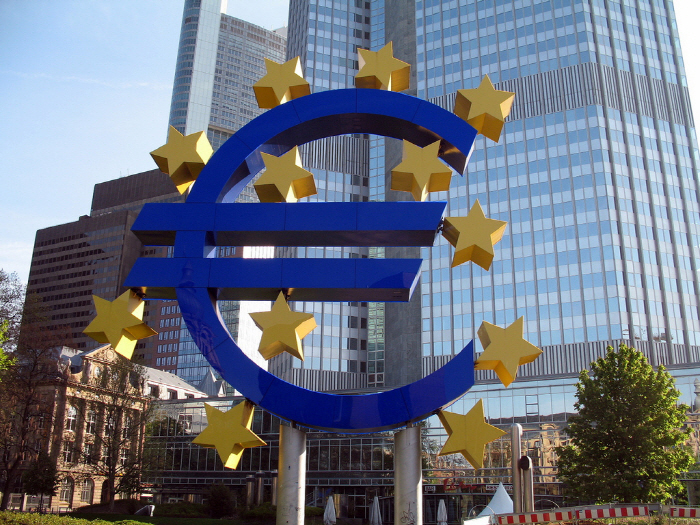
Goldman Sachs has revised its euro area economic outlook, now anticipating two interest rate increases from the European Central Bank as stubbornly high energy-driven inflation continues to overshadow slowing regional growth. The revision reflects mounting pressure from disruptions in the Middle East, which have significantly constrained oil flows through the Strait of Hormuz to roughly 5% of normal levels for an expected six-week period.
In response to these supply-side shocks, Goldman's commodities team lifted its Brent crude forecast to $80 per barrel for the fourth quarter of 2026, up from a prior estimate of $71. The sustained energy price environment has forced a broader reassessment of both growth and inflation trajectories across the eurozone. The bank trimmed its year-end GDP growth projection by an additional 0.3 percentage points, now targeting 0.7% growth, while estimating the peak drag on output relative to pre-conflict levels could reach 0.7%.
On the inflation front, Goldman now sees headline inflation cresting at 3.2% in the second quarter, with core inflation peaking at 2.5% in the third quarter. Economists led by Sven Jari Stehn noted that greater persistence in core price pressures reflects the scale of the energy shock. The team acknowledged that risks remain skewed toward weaker growth and higher inflation simultaneously.
In light of these developments, Goldman expects the ECB to raise its deposit rate by 25 basis points at both the April and June meetings, bringing it to a peak of 2.5%. Policymaker communication has turned increasingly hawkish, suggesting a relatively low barrier for further tightening. That said, Goldman anticipates the cycle will be brief, with rate cuts likely beginning in 2027 as conditions normalize toward a 2% neutral rate.
For the United Kingdom, Goldman similarly revised growth down to 0.6% year-over-year while lifting inflation forecasts, though it maintains a baseline view of no change to the Bank Rate for now, with risks tilted toward hikes if energy prices persist.







