


 Trump Buys Up to $25M in Meta Stock, Invests in SpaceX Debt
  Bitcoin Price Drops as US Dollar Hits 18-Month High
  Nvidia’s China AI Chip Market Share Falls to 34% as Huawei Gains Ground
  XRP Ledger Foundation Confirms 100B Supply Safe After Security Fix
  Binance to Shut Down Crypto Mining Pool Services on November 10
  Apple Names Steve Smith M&A Chief in Leadership Shakeup
  Jameson Lopp Downplays AI Threat to Bitcoin Cryptography
  Coinbase CEO Backs SEC Accredited Investor Reform
  Arthur Hayes Announces FLOP Testnet Launch Within Weeks
  Zcash Plans Quantum-Resistant Security Upgrade for January
  Cardano Hits Five-Year Transaction Record as ADA Price Falls
  Apple Supplier Luxshare Sees Limited Impact From US Patent Probe
  Tencent Shares Fall as $5 Billion AI Bond Sale Weighed
  European Auto Stocks Rise as EU-China Trade Deal Targets Hybrid Imports
  Anthropic Launches Claude Dashboards and Motion AI Tools
  Epic Games Delays Disney Shooter, Shifts to AI-First Development
  Samsung, SK Hynix Shares Plunge as China Chip Competition Grows


 Add as a preferred source on Google
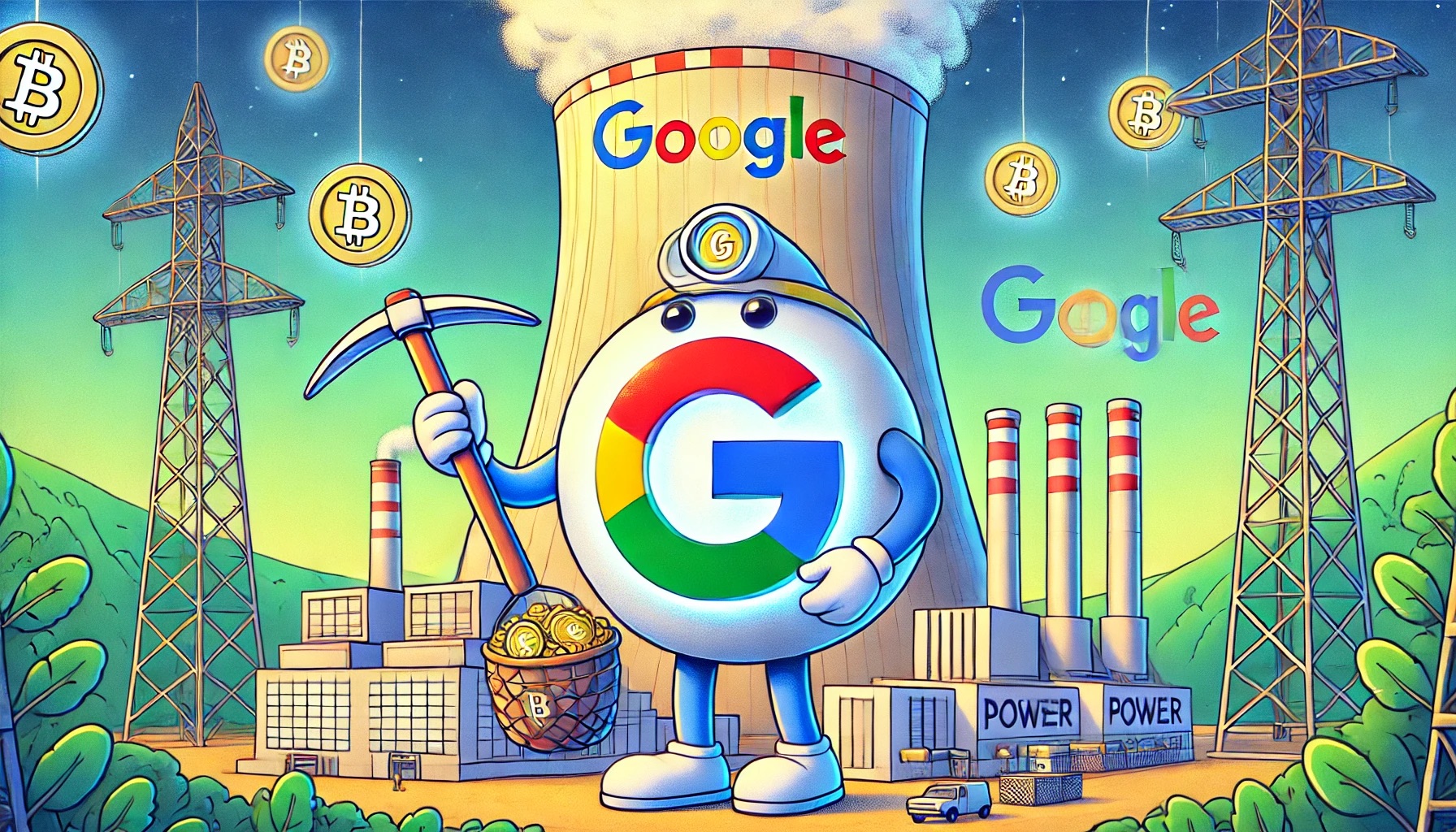
In a bold move, Google is collaborating with Kairos Power to bring small modular reactors (SMRs) online by 2030. This could revolutionize the crypto-mining industry by offering a cleaner and more cost-effective energy source for mining operations worldwide.
Google's Nuclear Power Partnership Targets Crypto Mining
The American nuclear engineering firm Kairos Power has secured a long-term agreement with search engine giant Google to design and launch its first small modular reactor (SMR) "quickly and safely by 2030," with other rollouts scheduled all the way through 2035.
The infrastructure required to support a small modular reactor (SMR) is far less than that of a conventional nuclear power station. There is a lot of talk about how much safer these "next generation" reactors are.
Google’s Push for Clean Energy with SMRs
An advocate for renewable energy, Google's Michael Terrell is the company's senior director of energy and climate:
“This landmark announcement will accelerate the transition to clean energy as Google and Kairos Power look to add 500 MW of new 24/7 carbon-free power to U.S. electricity grids.”
The emerging commercial nuclear power industry has its first ringtone with Google's pledge to create what might be the first commercial US-based SMR manufacturing cooperation, shares Cointelegraph.
SMRs and Their Role in Crypto Mining
Although not all businesses have the financial resources of Alphabet, the parent company of Google, the cost of installing nuclear power plants is expected to decrease as the first generation of small modular reactors (SMRs) are produced and enhanced.
If fusion technology doesn't materialize, SMRs may prove to be the most eco-friendly and cost-effective energy source for the Bitcoin mining sector.
Challenges Facing Crypto Mining’s Use of Nuclear Energy
Cryptocurrency and renewable energy have been the subject of hundreds of scholarly studies that have been peer-reviewed. Nuclear power has recently attracted the attention of numerous major mining corporations looking for a clean, risk-free substitute for conventional energy sources.
Nevertheless, the main reasons why nuclear power isn't used by most Bitcoin mining facilities or AI data centers are the high initial building costs and the limited availability of the technology.
Why SMRs Offer a Promising Solution
Some of those issues are addressed by SMRs. They are more ecologically friendly, easier to produce, and, in theory, much more economically viable than other options, such as big nuclear reactors, in the long run. They also require less maintenance and operational staff. Nevertheless, a substantial initial expenditure is still necessary for their development.







