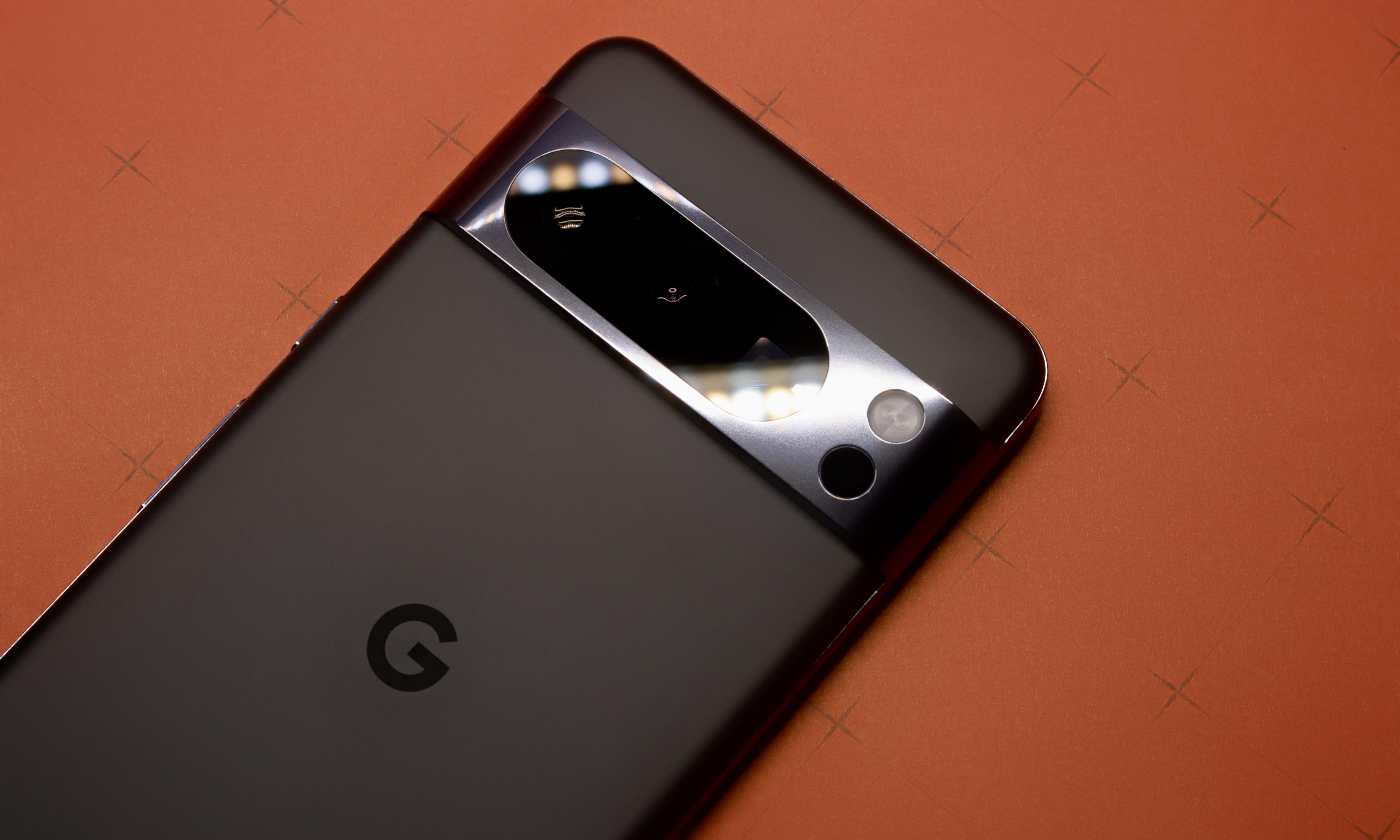
The Google Pixel 8 Pro will be the first Android smartphone powered by Google's next-generation AI model, Gemini.
Gemini Nano, a variant of the product optimized for on-device use, such as smartphones, will now use Google's Tensor G3 to give two Pixel 8 Pro capabilities: Summarize in Recorder and Smart Reply in Gboard. Because the AI operates on-device, it prevents sensitive data from leaving the phone and allows you to utilize the features even if you don't have a network connection.
How Does Gemini Nano Work in Google Pixel 8 Pro?
Gemini Nano is Google's most efficient AI model, which operates on devices such as smartphones, per The Verge. With its release, it will be the brains behind an AI summarizer function in the Pixel 8 Pro's Recorder app.
The Recorder app, which allows users to record and transcribe audio with the press of a button, will soon feature a Gemini-powered summary of your recorded chats, interviews, presentations, or other audio. Thanks to the switch to Gemini Nano, users will be able to see these summaries even if they do not have a signal or Wi-Fi connection.
Starting December 12, this capability will be accessible on Google Pixel 8 Pro smartphones. Furthermore, the Recorder app can now transcribe in 28 new languages.
Meanwhile, Gemini Nano is available as a developer preview on Gboard, Google's keyboard app. In this case, it will power a feature called Smart Reply, which helps to suggest the next thing you should say while discussing in a messaging app.
According to Google, the capability would initially operate with WhatsApp before expanding to other applications in 2024. The business believes that the proposed replies will be of greater quality with Gemini Nano since the AI model will have more conversational knowledge.
In addition to operating Gemini Nano, Android users can access the latest Gemini model through Bard. This will also entail powering Assistant with Bard on Pixel smartphones early next year, improving Google's answer to Siri with a model that's as clever and even more adept in certain areas than ChatGPT.
In the long term, the effects of enhanced AI on smartphones may persuade customers to switch to Android. With the release of Beeper, an app that brings iMessage to Android, some are already considering switching to their chosen Android smartphone.
Furthermore, Google's AI advancements are transforming the Pixel phone into a more AI-enabled smartphone, with a slew of AI capabilities such as Magic Editor and Best Take in Google Photos, Assistant with Bard, AI-powered call screening, and more.
Google Pixel 8 Pro Gets Additional Features
Along with the Gemini-powered capabilities, Google unveiled additional features for the Pixel 8 Pro in a blog post today, per CNET. This features a Video Boost function that uses the Tensor G3 to send video to the cloud, where computational models change the video's color, lighting, stabilization, and graininess. This also supports Night Sight video on the Pixel 8 Pro, which utilizes AI to reduce noise in films shot at night or in low-light circumstances, like timelapse recordings.
Another new AI model in Google Photos will boost Portrait light, and a Photo Unblur function will now sharpen shots of wriggling dogs and cats. Other Pixel devices are also getting updates, including a "Dual Screen Preview" option for previewing images on the Pixel Fold.
Furthermore, the Pixel Fold, Pixel 6, and subsequent phones will be able to connect to a computer via USB and utilize the phone as a camera during video conversations. These smartphones will now provide "contextual replies" during Call Screen, a feature that has also come on the Pixel Watch. Pixel's Direct My Call and Hold for Me functions have been enhanced to include business numbers that do not have a toll-free prefix and are now accessible in the United Kingdom.
Smudges and stains on scanned papers will be removed using a new "Clean" function. The Google blog goes more in-depth on the Pixel Watch and Pixel Tablet's security, authentication, new widgets, and other features.
Photo: Samuel Angor/Unsplash