


 Citi Upgrades Galaxy Digital Stock, Raises Price Target to $28
  China Resumes US Soybean Purchases After Trump-Xi Summit
  Netflix Cuts 1,000 Jobs as Streaming Giant Restructures
  Nvidia’s China AI Chip Market Share Falls to 34% as Huawei Gains Ground
  SpaceX Starlink Restrictions Disrupt Ukraine Military Operations
  Alibaba Unveils Qwen AI Smart Glasses, Shares Rise 2%
  AT&T Sells Mexico Wireless Business to Televisa for $2 Billion
  US Dollar Hits 18-Month High as Inflation Fuels Fed Rate Hike Bets
  AI Crypto Payments Surge to 138 Million Transactions on Base
  Moonshot AI Executives Seek Settlement Ahead of Hong Kong IPO
  Asian Stocks Plunge as AI Chip Selloff Hits South Korea and Japan
  Kalshi Seeks Sixth Circuit Review of Sports Betting Ruling
  Gold Prices Rebound as Dollar Weakens Ahead of US Inflation Data
  BlackRock CEO Warns Data Center Ban Could Trigger US Recession
  New York Times, AFP Join Coalition to Protect Content From AI
  US Dollar Index Falls as Fed Signals Caution, Indian Rupee Surges


 Add as a preferred source on Google
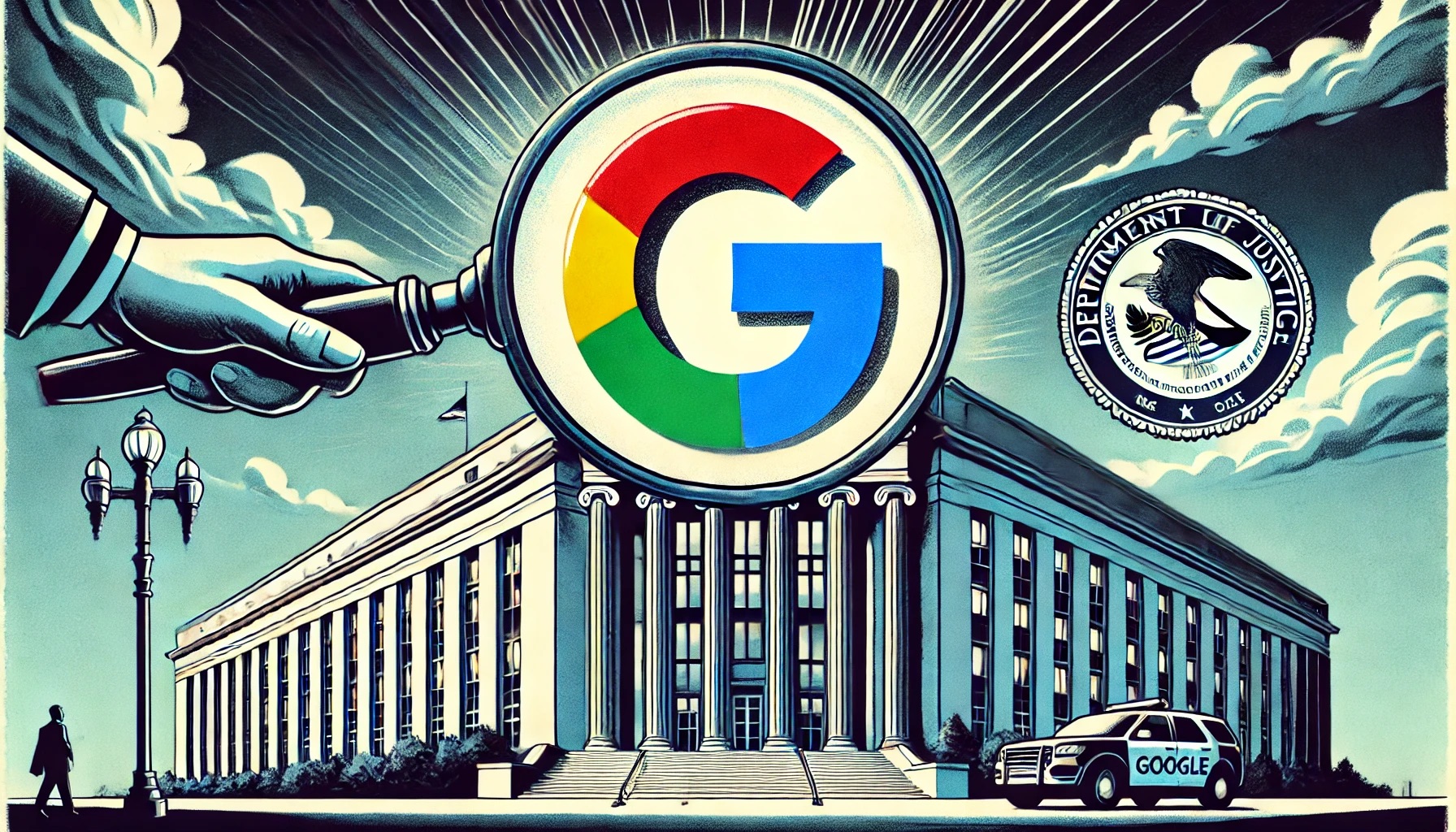
The Justice Department closed its case against Google, accusing the company of monopolizing digital ad markets. If the judge rules against Google, the tech giant could be forced to divest its Ad Manager platform in a decision with sweeping industry implications.
DOJ Accuses Google of Monopolizing Online Ad Technology
In its pursuit of a second antitrust victory against Alphabet's Google, the U.S. Justice Department informed a federal judge that the company's dominance in online advertising technology was illegal.
After 15 days of testimony in September, the trial finally came to a close in Alexandria, Virginia. Prosecutors had hoped to prove that Google had a stranglehold on the ad exchange market, as well as the publisher ad server and advertiser ad network industries.
According to US News, the Department of Justice's Aaron Teitelbaum claimed that Google "rigged the rules of the road" and urged the judge to punish the tech company for its anticompetitive actions, calling Google "once, twice, three times a monopolist."
Google’s Legal Defense and Competition Claims
U.S. Judge Leonie Brinkema had to choose between the Department of Justice's and Google's assessments of the advertising market, according to another DOJ attorney Julia Tarver Wood, who used parallels to Charles Dickens's "A Tale of Two Cities" in supporting her argument.
Karen Dunn, a lawyer for Google, claimed that the DOJ had failed to fulfill its legal obligation and was requesting that Brinkema ignore antitrust laws and reject important court decisions. "The law simply does not support what the plaintiffs are arguing in this case," said Dunn.
She stated that the internet advertising industry was strong and that the DOJ was disregarding Google's lawful business choices. The business claims the government ignored fierce competition in the internet sector and instead selected a small portion of it.
In afternoon trading, Alphabet shares increased by 1.4%.
Publishers Describe Google’s Dominance in Online Advertising
There was no alternative method for publishers to get into the massive advertising demand within Google's ad network, so they could not afford to leave the company, even when it introduced features they didn't like, according to their trial testimony.
In 2017, according to one witness, News Corp. estimated that it would have lost at least $9 million in ad revenue had it opted out.
If Brinkema determines that Google was in violation of its terms of service, she will take into account the prosecutors' demand that the tech giant divest itself of Google Ad Manager, the platform that houses both the publisher ad server and the ad exchange.
Antitrust Remedies Could Reshape Google’s Ad Tech Landscape
According to Reuters' original reporting from September, European publishers turned down Google's offer to sell the ad exchange in an effort to resolve an EU antitrust inquiry.
Financial experts see the ad tech case as less of a threat than the one in which a judge found Google to have an unlawful search monopoly and prosecutors have said the firm should be compelled to sell its Chrome browser.







