India’s commerce minister says a proposed trade pact with the United States will protect farmers, even as its published framework calls for tariff cuts on a broad range of U.S. agricultural goods.
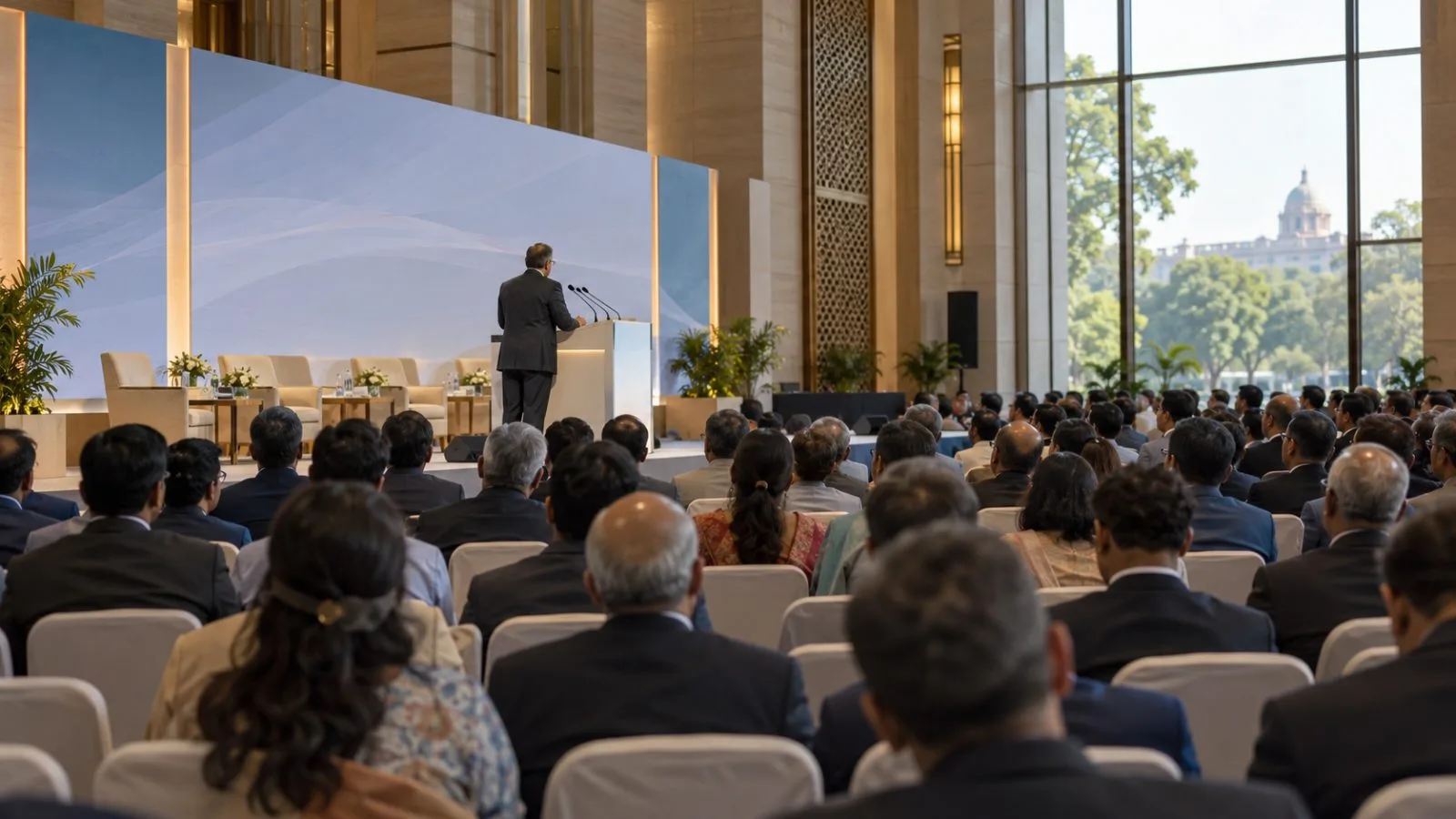
Commerce and Industry Minister Piyush Goyal made the remarks Oct. 29 at a conference in New Delhi, saying the agreement would give India a competitive advantage. “Not a single sensitive interest of our farmers or any stakeholder has been compromised,” he said. The government’s account described the pact as still under negotiation, with details to follow. The published framework does not spell out protections for individual sectors.
India and the United States announced a framework for an interim agreement on Feb. 7. It calls for India to reduce or eliminate tariffs on U.S. industrial goods and a range of food and agricultural products. It also sets an 18% U.S. reciprocal tariff rate for specified Indian-origin goods; removing the tariff on some other goods depends on the interim agreement’s successful conclusion.
The proposed terms could give Indian-origin goods preferential access to the U.S. market while opening more of India’s market to U.S. exporters. The framework describes prospective terms, not effects already realized.
The framework puts India’s intended five-year purchases from the United States at $500 billion, spanning energy products, aircraft and parts, precious metals, technology products and coking coal. Both governments said they would work to complete the interim agreement and continue negotiations on a broader trade deal.
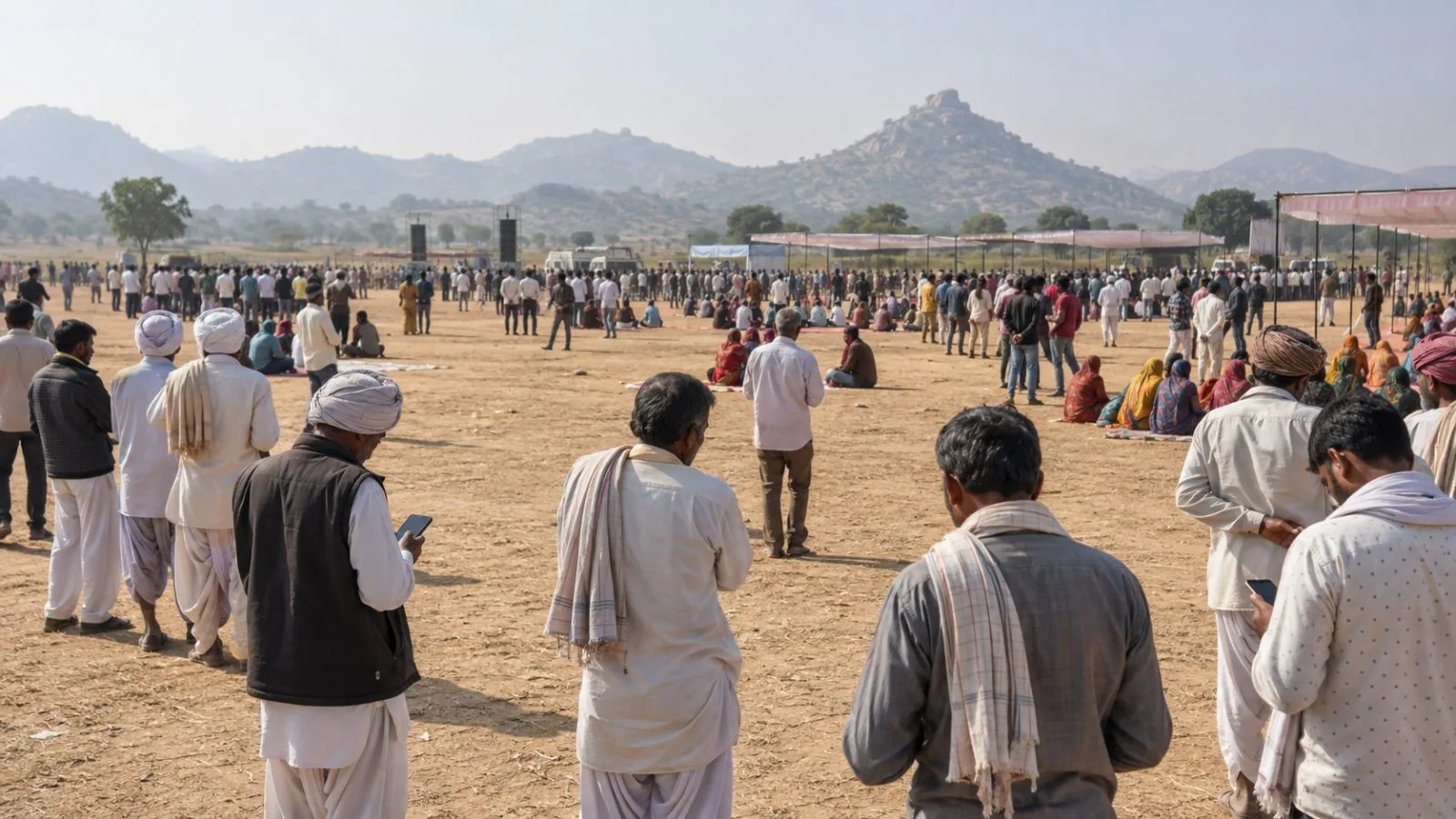
Reuters reported that Samyukt Kisan Morcha, a coalition of more than 100 farm groups, criticized the proposed agricultural tariff cuts and planned further protests in November. The group objected to provisions involving products including maize, nuts, apples and soybean oil, Reuters reported.
India’s government said it stayed out of the Regional Comprehensive Economic Partnership in 2019 because the pact’s then-current structure did not address its concerns. On Oct. 20, U.S. Secretary of State Marco Rubio said a small number of issues remained and the agreement had not been executed, the Associated Press reported. The February joint statement gave no signing deadline, and no signing date was confirmed at the Oct. 29 conference.