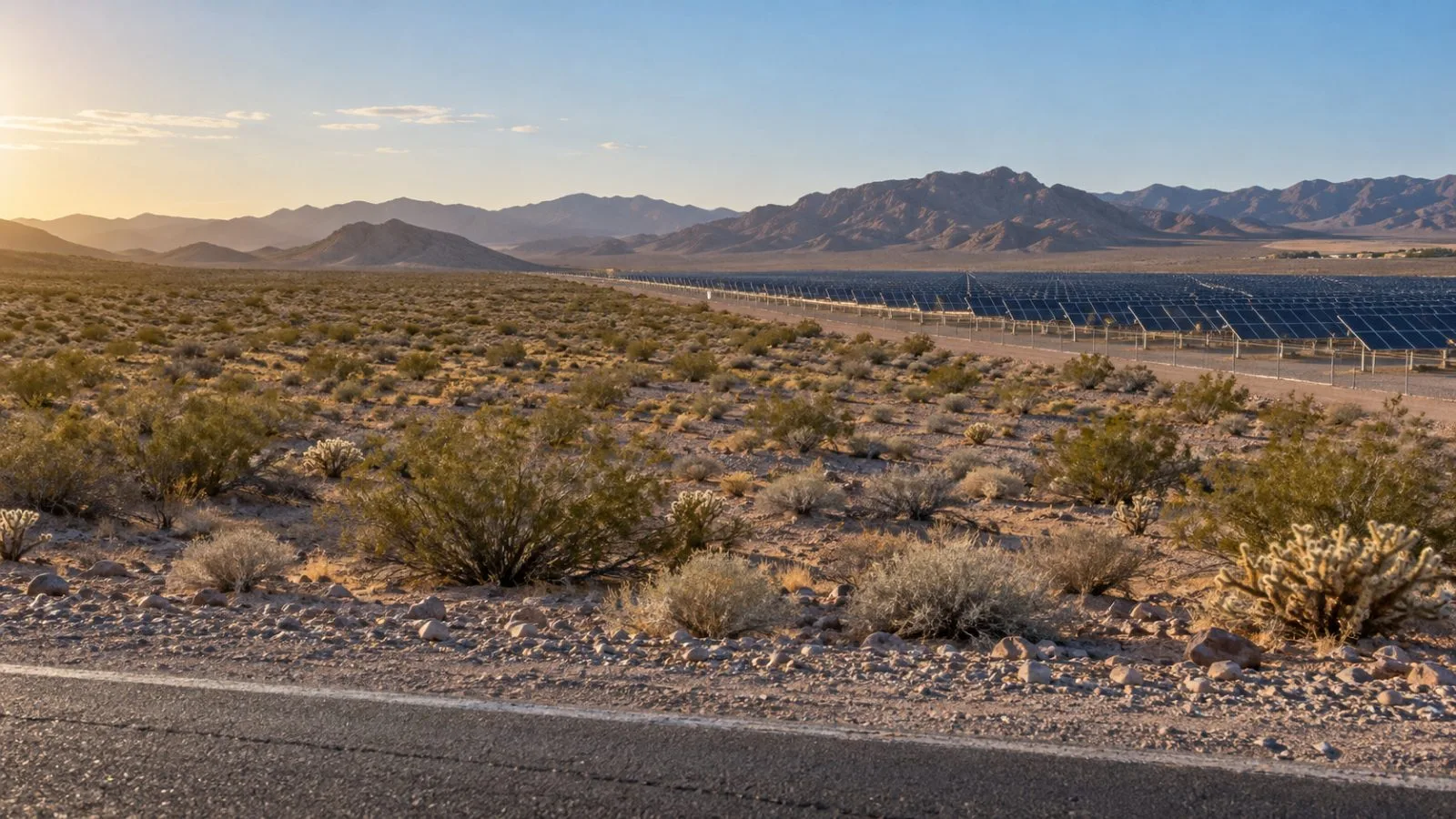
The Center for Western Priorities counted 35 active data center-related cases on U.S. public land in six Western states, showing the scope of developers’ interest as federal policy encourages use of those sites.
In an Oct. 16 snapshot, the conservation group put the cases’ combined acreage at more than 24,000. The acreage total includes an estimate for Project Beehive, which NPR reported would cover more than 9,000 acres; BLM records no acreage for that case. It adds acreage across cases and does not measure the distinct land area involved.
The group classified 17 cases as apparent applications for data center campuses and 13 as apparent requests for supporting infrastructure, such as roads, water pipelines and power lines. It could not classify five. Overlapping locations mean the 17 campus filings may represent fewer proposed campuses.
The cases are in Arizona, Idaho, Nevada, Oregon, Utah and Wyoming. The group’s Oct. 15 dataset refresh lists 29 as pending, three as authorized and three as interim. Six closed cases are outside the active tally.
To build the tracker, the group searched BLM land records by case and applicant names and manually reviewed possible matches. BLM has no separate right-of-way category for data centers. The group said it could miss a case with no searchable name if it has not identified the applicant; BLM also sometimes records zero acres for early-stage cases.
President Donald Trump’s July 23, 2025, executive order directed the Interior and Energy departments to offer appropriate authorizations for identified federal sites, subject to applicable law. The policy gives developers a route to federal land. BLM says right-of-way applicants owe processing and monitoring fees and, unless exempted or granted a waiver, rent.
In a Sept. 24 letter, lawmakers asked Interior Secretary Doug Burgum for details on proposals, public participation and environmental review. They raised concerns about water use, electricity demand and land disruption, without establishing those effects for the cases in the tracker. They requested a response by Oct. 8. Center for Western Priorities Deputy Director Lauren Bogard called for communities to have a say in where, how or whether data centers are built.
BLM says it can deny a right-of-way request if a proposal conflicts with a land-use plan or is not in the public interest.