


 Trump Denies Russia and China Are Helping Iran in U.S. Conflict
  Houthis Warn Saudi Airports After Deadly Riyadh Attack
  North Korea Fires Ballistic Missiles Amid Rising Tensions With South Korea
  Djibouti Migrant Boat Capsizes, Killing 139 and Leaving 84 Missing
  Panama Declares Emergency After 7.7 Earthquake Triggers 200 Aftershocks
  US Judge Blocks Trump Administration’s Taxpayer-Funded Political Ads
  US Authorities Raid Ilhan Omar’s Home Amid Immigration Fraud Probe
  Trump Defends Russian Diesel Deal Amid US Sanctions Backlash
  European Auto Stocks Rise as EU-China Trade Deal Targets Hybrid Imports
  Trump Sanctions International Criminal Court, Sparking EU Backlash
  India Voter List Protests Reach Supreme Court as Opposition Demands Election Chief's Resignation
  NATO Commander Warns Russia of Devastating Response to Attack
  Jordan Bardella Antisemitism Allegations Threaten Le Pen’s Campaign
  Greenland Lawmakers Back Trump Security Deal Despite Economic Concerns
  Trump Calls for Zelenskyy Replacement Amid Russian Diesel Deal
  US Condemns China Sanctions on Taiwan Allies Belize and Paraguay


 Add as a preferred source on Google

Last year started out hopeful with the emergence of COVID-19 vaccines, but quickly proved to be a challenging year for governments and communities worldwide.
Still, in the midst of the pandemic, 2022 will bring about a host of significant political issues and events that will impact communities, both locally and globally. Here are some of the major events that will dominate the news cycles this year.
Charting the global economy
The global economy will be fragile as central banks wind down the programs that have stimulated economies the past two years. Interest rates and inflation will both increase, causing hardship to those with modest or fixed incomes.
At some point, the roaring stock market may turn into a bear market, and a depression could begin. If that happens, politicians will have to deal with higher unemployment rates and mounting pressure to create jobs. More protectionism and trade barriers will likely follow.
International affairs
Relations between the United States and China will cast a shadow over international relations and the global economy. The degree to which the two superpowers manage to co-exist, and sometimes collaborate, will set the tone around the globe, from climate change to economic growth and regional security.
U.S.-China ties will not, however, impact East Asia (including North Korea and Taiwan) as the entrenched interests of the U.S. and China don’t align. A divided Korea ensures that the U.S.-supported South Korea and the China-backed North Korea must share the peninsula. A united Korea inevitably would be drawn in to the orbit of one of the superpowers, necessitating a response from the other.
Hot spots in international affairs will continue to be in Eastern Europe, the Middle East and North Africa, with their longstanding territorial and ideological conflict. Separatism will be alive and well in Scotland, while pressure for a union of Ireland will rise in Northern Ireland.
Germany, with a new chancellor after 16 years of Angela Merkel, will remain a pillar of political stability in Europe and beyond. The nation’s three-party coalition is solid and will broadly adhere to international policies that aren’t very different from those of the past decade.
Numerous countries to hold elections in 2022
Elections in regional democratic powers, including South Korea, France, Brazil and Australia, will give an indication of the endurance of populist movements, as these races feature protest or anti-elitist candidates running against more traditional nominees.
Authoritarian countries, including Russia, Saudi Arabia, China and Turkey, will remain stable as the leadership of these nations face no immediate major internal or external threats.
Ideological wars continue in the U.S.
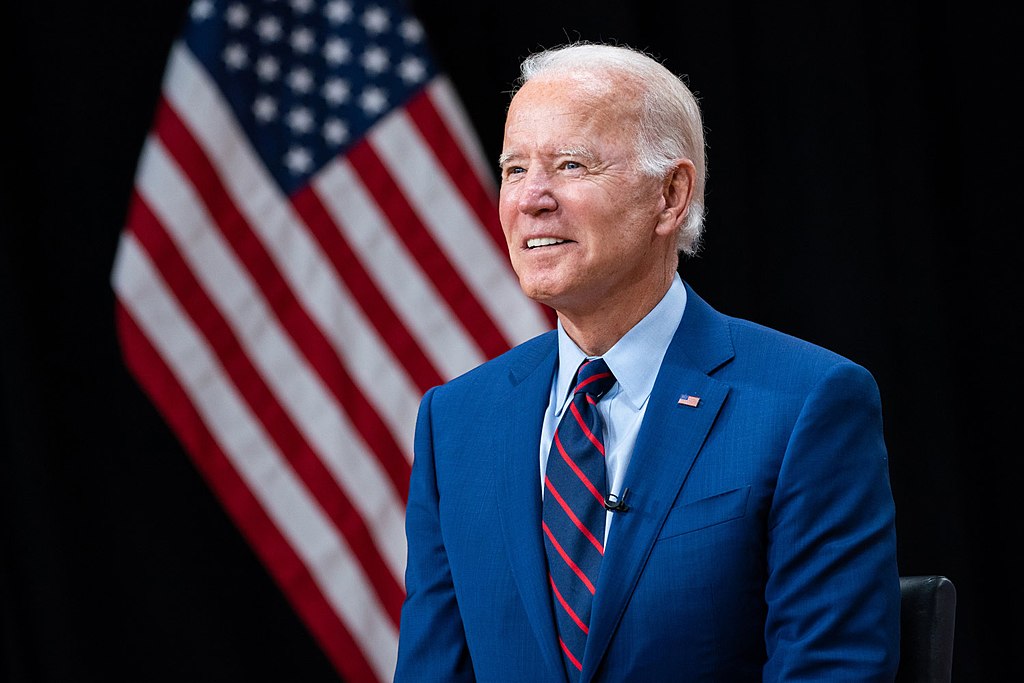
In the U.S., Joe Biden’s presidency will enter an even tougher period. Mid-term congressional elections late in the year will almost certainly have the Republicans retake the Senate, potentially causing a stalemate in Washington for the following two years.
Ideological wars in the U.S. over abortion, gun control, immigration, vaccination and much else will fester, and in some cases intensify. The Supreme Court will more and more be asked to rule on matters that legislators cannot agree on, which will further fuel ideological divides.
Jostling among potential candidates, along with fundraising, will begin for the 2024 U.S. presidential election. Biden, who turns 80 in 2022, is rumoured to be planning to run for the presidency again, although he will wait before confirming this publicly. The same goes for Donald Trump, who may spend 2022 preparing to become only the second president to serve two non-consecutive terms (the other was Grover Cleveland nearly two centuries ago).
As Biden increasingly focuses on ensuring support for the Democratic party, additional irritants on trade will arise between the U.S. and its North American neighbours. The Biden administration is expected to increasingly take a “America first” approach in its dealings with neighbours and allies.
Upcoming Canadian provincial elections
In Canada, the third-ever successive minority government in Ottawa will function effectively because no political party pines for another election. Elections in Québec and Ontario in 2022 will cause increased federal-provincial conflict on a variety of policies like climate change, immigration and health care.
Québec’s Bill 21, banning public servants, including teachers, from wearing visible religious symbols, will continue to be controversial not only in the province but across Canada, and legal challenges to it will mount.
Changing climate change policies
Climate change politics will rise and fall throughout the year. The more that economic concerns preoccupy politicians, the less political capital will be spent on climate change efforts even though these two issues are closely linked.
Nevertheless, steady progress will be made in many parts of the world in reducing carbon emissions and using more renewable energy. Reports of climate change driven natural disasters will give impetus for further political action during the course of the year.
Global vaccination efforts will continue
COVID-19 will not disappear now that the calendar reads 2022. The early months will see extensive international efforts to ensure vaccination happens all around the globe. There is hope that the tide will turn, and that increasingly, although at varying rates in different countries, the pandemic will recede.
Vaccination and mask mandates, and the political decisions around these, will eventually fade. However, the lesson from the pandemic — that viruses don’t respect political and national borders — is hopefully one that political leaders are learning in 2022 and beyond.







