


 NEAR Price Rally Cools as $4.60 Support Takes Focus
  MSTR Stock Rises 3% as Strategy Challenges MSCI Bitcoin Stance
  Weekly Crypto Pulse: $528M ETF Inflows Meet a Cooling US Economy
  Circle Urges EU to Revise MiCA Stablecoin Rules
  Zcash NU7 Testnet Cuts Block Time to 25 Seconds
  Chainalysis AI Traces $387M Bitget Hack in Under 10 Minutes
  Hyperliquid Top Traders Turn Bearish as Smaller Wallets Stay Bullish
  Ethereum Outperforms Bitcoin as ETH Liquidity Declines
  Bitcoin Nears $87K as Crypto Market Gains
  TRUMP Memecoin Launches New Dinner Contest
  OKXICE Files for 24/7 Tokenized US Stock Trading
  Bitcoin Exchange Reserves Hit Multi-Year Low at 2.68 Million BTC


 Add as a preferred source on Google
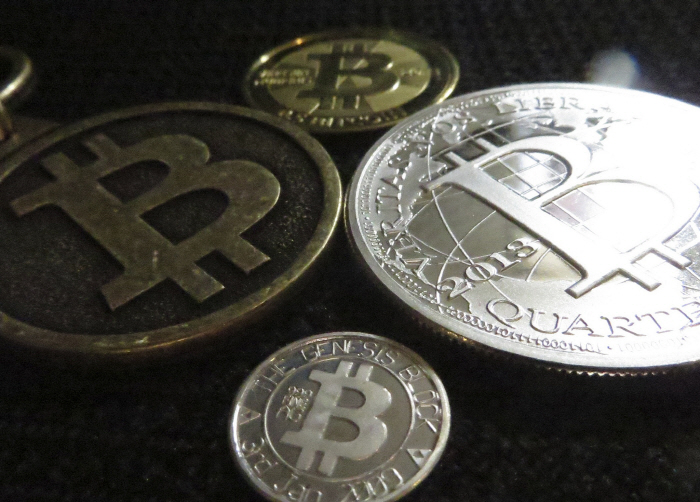
Bitcoin, the digital currency, has shown tremendous growth in the six years of its coming into existence. While the debate on whether it is currency or commodity continues, several countries world over have banned its use.
Digital currencies such as bitcoin facilitate instantaneous and borderless transactions. With the world now shifting increasingly towards online payment mechanisms, bitcoin has the potential to become the future of financing. However, one cannot deny the fact that various scams and Ponzi schemes, such as Mt Gox, Silk Road etc. have shaken the trust of people.
While 2015 saw many efforts to regulate bitcoin transactions including New York BitLicense, California Bitcoin Bill, there are many countries where bitcoin has not been given legal status (some inputs taken from Wikipedia):
- Bangladesh: In September 2014, Bangladesh Bank said that "anybody caught using the virtual currency could be jailed under the country's strict anti-money laundering laws".
- Bolivia: The central bank issued a resolution banning bitcoin in 2014
- China: On 5th December 2013, the PBoC and five other related government ministries issued an official notice which stated bitcoin may not be used as a currency, CoinDesk reported. however, private parties can hold and trade bitcoins in China.
- Ecuador: The government issued a ban on bitcoin and other digital currencies.
- Germany: According to Bitcoin Values, the German government and central bank Bundesbank formally accepted bitcoin as a private virtual currency but not as a public currency.
- India: The country’s central bank said in 2013 that it does not authorize using digital currencies as a medium for payment. However, recent reports suggest that Indian central bank recognizes the need to regulate cryptocurrency.
- Thailand: The first country to ban bitcoin officially in 2013, however, Inside Bitcoin reports that the ruling has not been enforced just yet.
- Taiwan: The country’s Financial Supervisory Commission (FSC) told CoinDesk in an email that considering the non-currency nature and risk of Bitcoin, it has required banks in Taiwan not to receive or exchange Bitcoin.
- Russia: As of January 2015, a bill explicitly banning bitcoins does not exist in Russia, although it appears a de facto ban is in place. Earlier this year, Russia’s media regulator blocked several bitcoin-related websites. Also, a Russian state-owned media outlet reported that "The [Russian] Central Bank... said that bitcoin usage was illegal under Russian federal law”.







