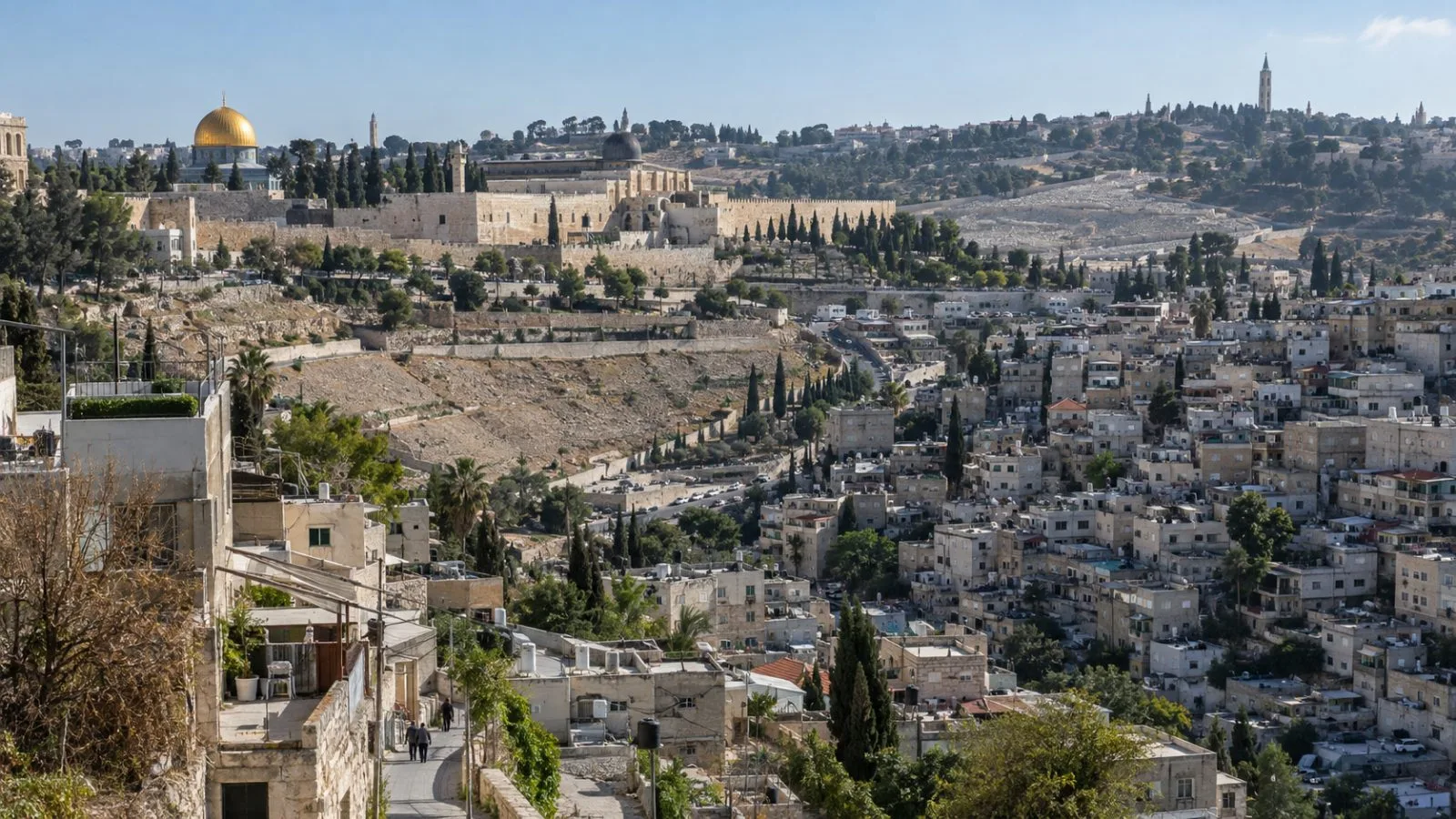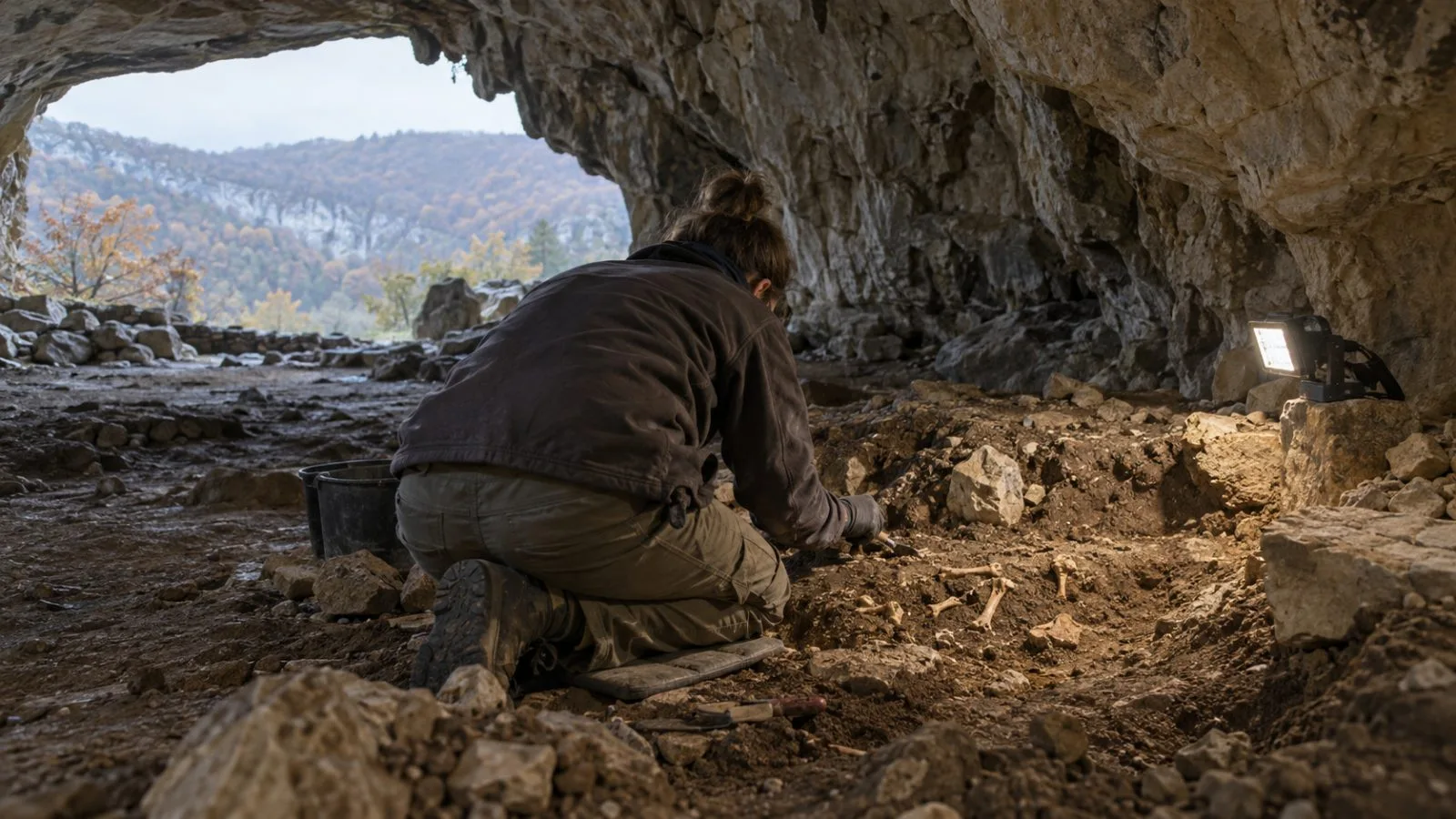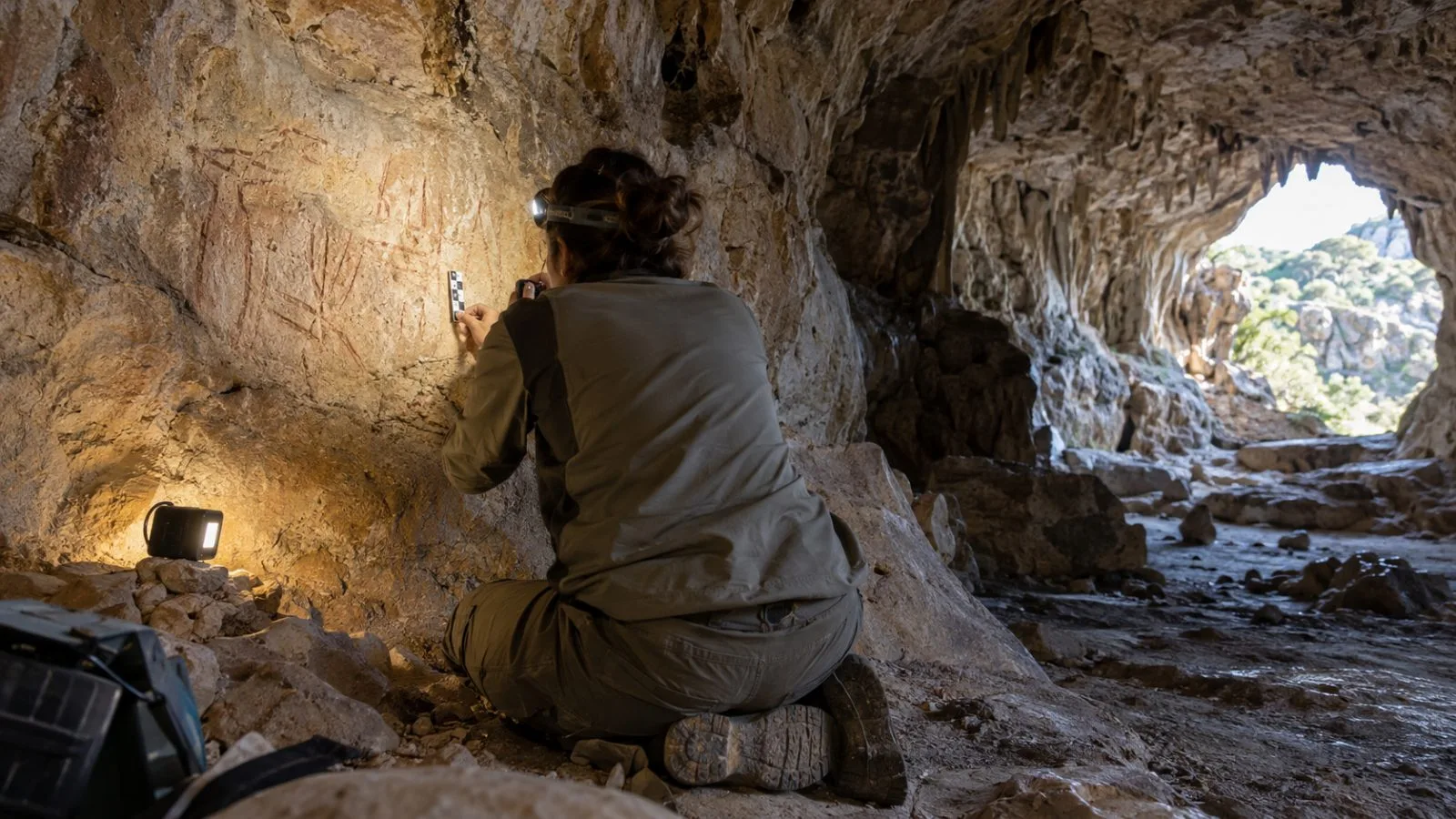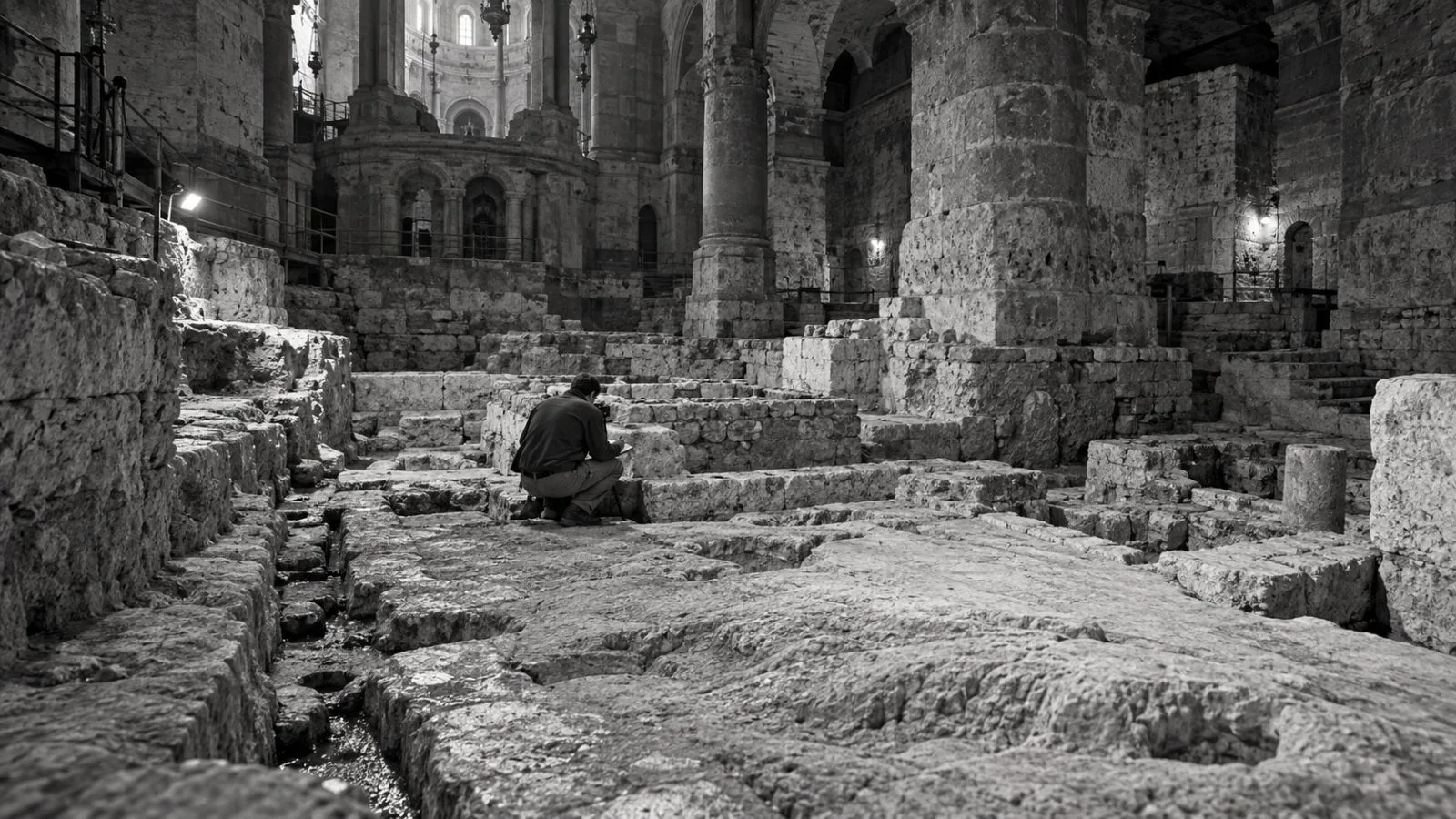
Archaeologists working beneath Jerusalem’s Church of the Holy Sepulchre documented quarrying followed by agricultural and funerary use, while the published report and university update do not identify a specific excavated grave as Jesus’ tomb.
A preliminary 2025 study in Liber Annuus describes several phases of stone removal at Gareb Hill. It also records changes to the bedrock and later farming and burial. Separately, the report notes channels and drainage associated with the Early Christian complex.
The report’s account of later agricultural and funerary use provides landscape context, but the report and Sapienza’s public update do not link a specific excavated burial to Jesus.
Sapienza University of Rome said Sept. 8, 2026, that excavation had ended after more than four years. Researchers are examining finds and structures, recording evidence, conducting archaeometric analyses and reconstructing the site’s history. The university did not give a date for its next research update.
Sapienza said it was assigned the complex’s first systematic archaeological study in 2019. Fieldwork proceeded alongside restoration of the basilica floor and involved the Greek Orthodox, Catholic and Armenian communities responsible for the church. The Custody of the Holy Land described preserving the basilica as a goal of the wider project and acknowledged benefactors and Italy’s Agency for Development Cooperation.
Sapienza Rector Antonella Polimeni said the work called for “humility, listening and respect” alongside academic rigor. At a Sept. 8 meeting, Fr. Francesco Ielpo, Custos of the Holy Land, said the work depended on “trust, dialogue and shared responsibility,” according to the Custody’s account of his remarks published Sept. 9.