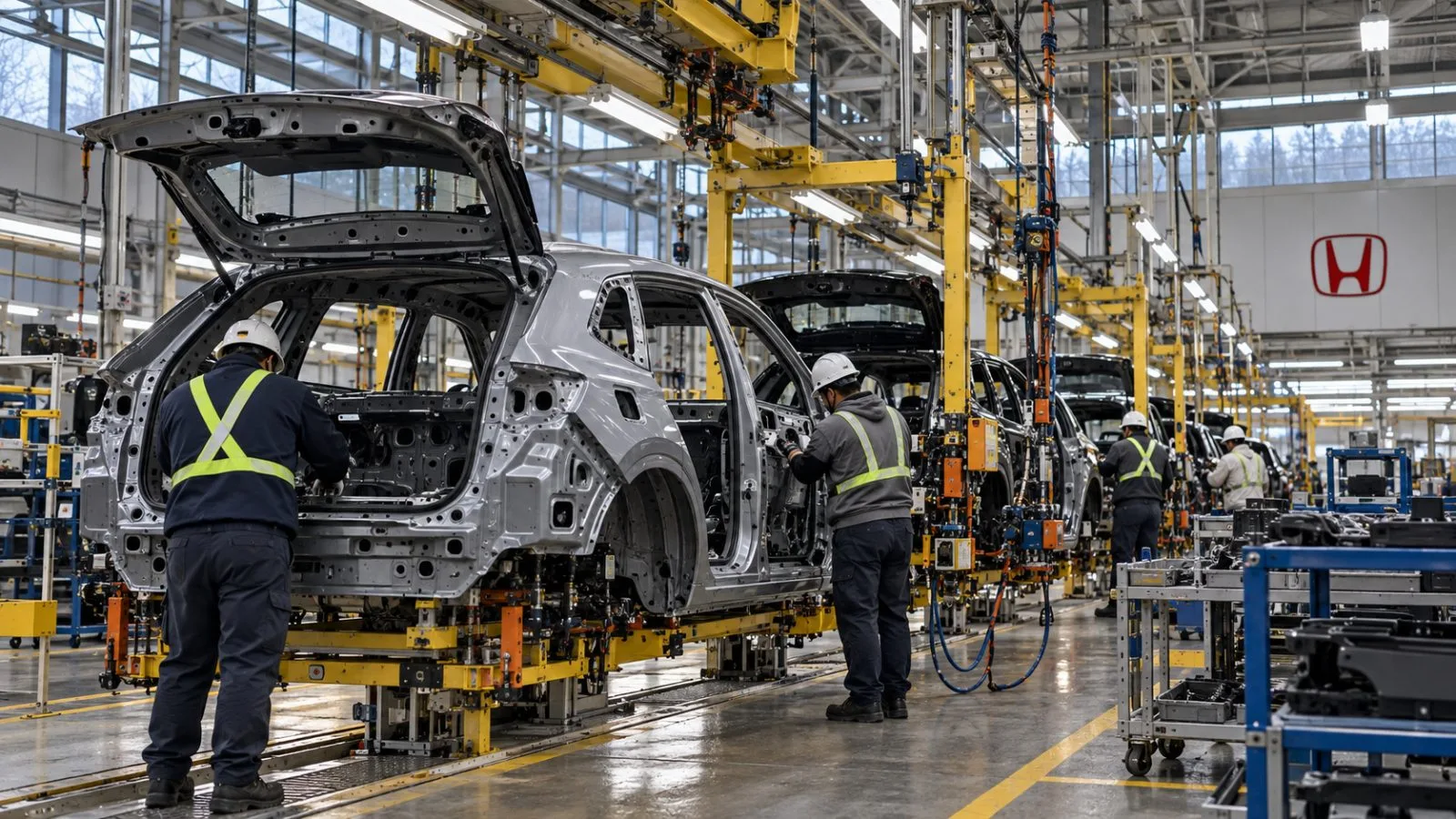
Jennifer Thomas, Honda’s senior vice president of Corporate Affairs and Government Relations, said a threatened U.S. tariff increase on Canadian vehicle imports could harm North American automakers, Reuters reported.
Thomas spoke at the Reuters Automotive USA conference in Detroit on Oct. 27. Reuters reported that she said the United States needs the United States-Mexico-Canada Agreement (USMCA) to remain competitive. She was “cautiously optimistic” that the Jan. 1 doubling would be avoided, Reuters reported, and said it could severely harm the industry.
Global Affairs Canada describes auto manufacturing in the three countries as connected production networks that can lower costs and improve productivity.
President Donald Trump said in an Aug. 24 Truth Social post that tariffs on Canadian cars, trucks and auto parts would rise to 50% on Jan. 1, 2027; he also mentioned steel, for which tariffs had already reached that level. A 2025 White House proclamation set a 25% tariff on specified automobile and auto-parts imports. For approved USMCA-qualifying vehicles, the tariff applies only to their non-U.S. content. The White House raised Section 232 tariffs on steel articles and derivatives from 25% to 50% in June 2025.
Reuters reported that higher duties could change automakers’ production expenses and factor into future factory-location choices. Trade attorney Barry Appleton told CBS News that U.S. importers pay tariffs and may pass some costs to buyers.
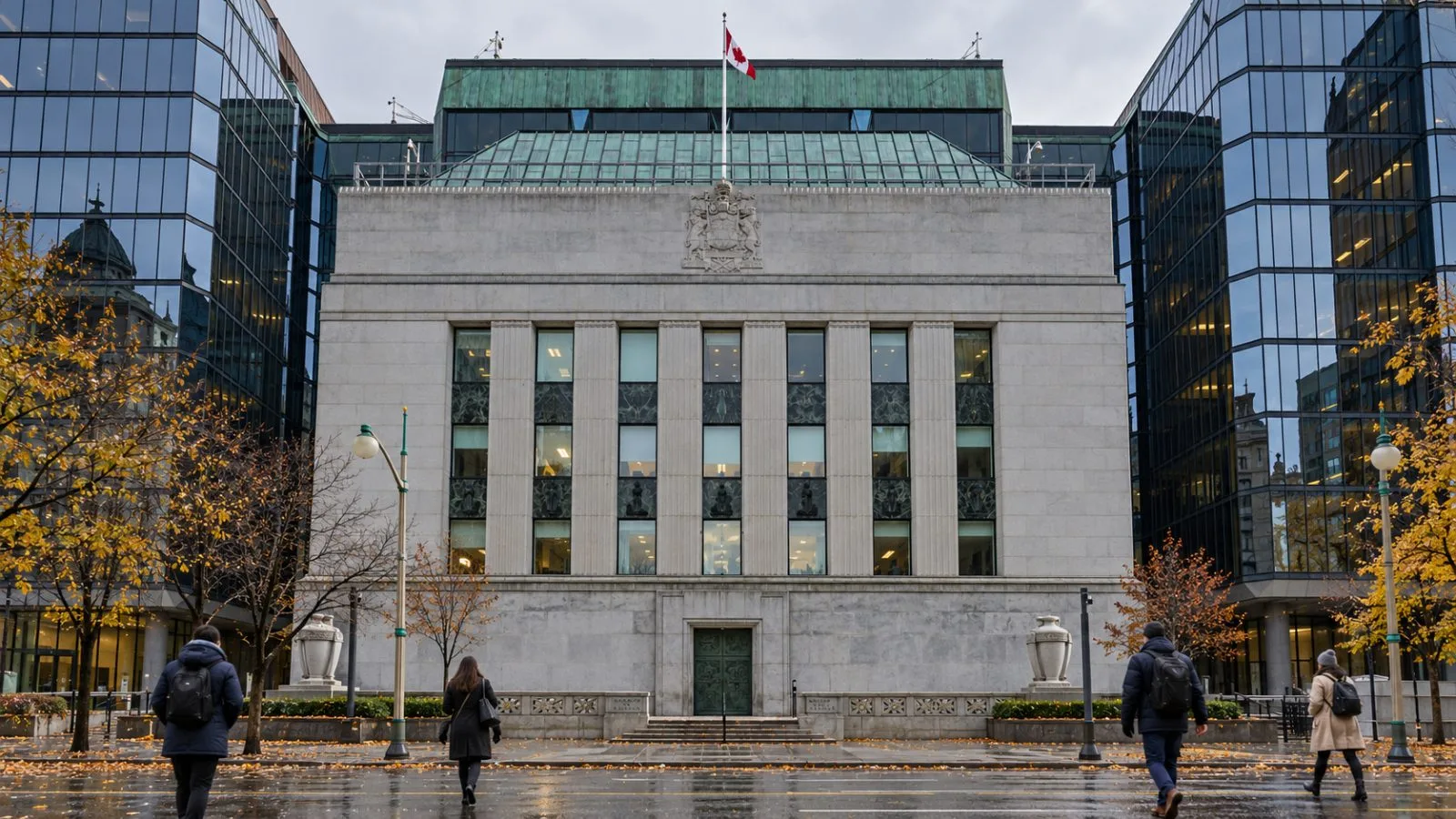
The United States and Canada were also discussing tariff relief, Reuters reported Oct. 26, citing six sources. Reuters said a spokesperson for Dominic LeBlanc, the minister responsible for Canada-U.S. trade, described Canada’s position as constructive dialogue with the United States. One Canadian source saw a deal as possible before Tuesday, Nov. 3, U.S. elections, while U.S. sources said the administration wanted further Canadian concessions. Reuters reported no confirmed deal terms.