


 Arthur Hayes Announces FLOP Testnet Launch Within Weeks
  Amazon Cuts More Jobs as AI Investment Expands
  Jameson Lopp Downplays AI Threat to Bitcoin Cryptography
  Coinbase CEO Backs SEC Accredited Investor Reform
  BNB Price Faces Pressure as DOJ Investigates Binance
  Ethereum Foundation-Linked Wallets Move $11.13M in ETH to Kraken
  Samsung, SK Hynix Shares Fall as China's CXMT Advances DRAM Technology
  Bitcoin Price Faces Volatility Ahead of US CPI and Fed Speech
  Russia Approves Sberbank for Crypto Exchange Services
  Hyperliquid (HYPE) Price Analysis: Can Bulls Push Above $88?
  Cardano Hits Five-Year Transaction Record as ADA Price Falls
  OpenAI Revenue Hits $50 Billion, Below Earlier $70 Billion Estimate
  Zcash Price Analysis: Can ZEC Rebound Above $1,300?
  Robinhood Chain Eyes Priority Gas Auctions for Faster Trades


 Add as a preferred source on Google
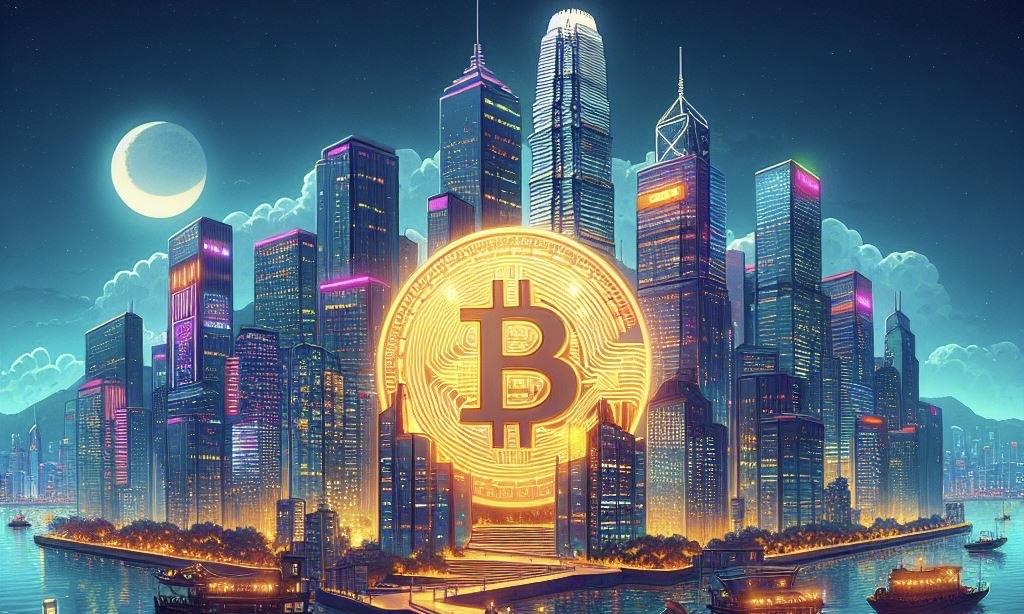
The Hong Kong Securities & Futures Professionals Association (HKSFPA) has advised that the city's cryptocurrency firms form a self-regulatory body and monitor each other for compliance.
Hong Kong Proposes Industry-Led Regulation to Foster Innovation and Stability in Crypto Sector
Hong Kong's Securities & Futures Professionals Association recommended that cryptocurrency firms establish a self-regulatory framework to enhance their competitive edge as a global financial hub. According to Cointelegraph, this strategic move aims to balance development with supervision, ensuring the industry's robust growth.
“The Hong Kong financial market industry is too focused on supervision,” said the HKSFPA in an April 22 recommendation letter, “but there is no organization to maintain the overall development of the industry."
The administrative body then noted the need for Hong Kong to remain competitive in the global securities market and "consolidate its status as an international financial center." In outlining the next steps, the HKSFPA recommended that the city's regulator, the Securities & Futures Commission (SFC), establish "statutory self-regulating" and autonomous bodies that would delegate licensing powers to industry players instead.
"In the case of Hong Kong, the Commission recommends that the Securities and Futures Commission still retains the power to supervise market conduct, but splits the licensing power to solely the securities industry, A self-regulatory institution composed of the futures industry, asset management industry, and virtual asset industry."
According to a similar recommendation letter from August, the HKSFPA spoke of "balanced supervision and development" that prevents the Hong Kong virtual assets business "from going to the extreme direction of supervision."
However, self-regulation does not always result in a balanced risk-reward dynamic.
Lithuania Tightens Crypto Regulations as Hong Kong and U.S. Diverge on Virtual Asset Oversight
For starters, Lithuania is stiffening its cryptocurrency restrictions in 2025 in response to compliance failures and corruption reports. The Baltic nation has awarded licenses to over 580 cryptocurrency enterprises and currently does not monitor its licensees.
However, Hong Kong regulators have been far more accommodating to virtual asset enterprises than their counterparts in other parts of the world.
On April 15, the SFC approved spot Bitcoin and Ether exchange-traded funds for issuers like as Harvest Fund Management, Bosera Asset Management, and China Asset Management (ChinaAMC). Last year, the agency granted official virtual asset licenses to Hashkey and OSL.
Meanwhile, the United States. The Securities and Exchange Commission has not yet approved a spot Ether ETF or issued special licenses for cryptocurrency exchanges to register. Furthermore, their approval prospects remain bleak.
Photo: Microsoft Bing







