Hong Kong's luxury retailers are facing a shift in shopper dynamics as wealthy Chinese tourists are visiting the city less frequently. Instead, tourists are flocking to trendy districts and Instagram-coveted spots, opting for experiences over splurging on branded goods.
Asahi reported that this change, coupled with the emergence of competing shopping hubs like Hainan Island in China and the rise of online shopping, has significantly influenced the demand for luxury goods in Hong Kong.
Change in Visitor Preferences
According to industry experts, the focus of visitors in Hong Kong has moved away from extravagant shopping sprees to a greater desire for local culture and experience-based touring, as per Reuters. Rosanna Tang, an executive director at Cushman & Wakefield, highlighted this shift, stating that tourists now seek authentic experiences rather than merely shopping.
The decline in visitor shopping spending has been evident, with overnight and same-day spending reaching only 55% and 18% of the 2018 levels in the first half of this year. This decline has compelled retailers to reevaluate their strategies, placing a greater emphasis on food and beverage outlets to cater to the evolving preferences of visitors.
The British luxury department store Harvey Nichols has been at the forefront of these changes. Its owner, Dickson Concepts, recently announced that the flagship five-level store in the prestigious Landmark mall in the city center will be relinquished after nearly two decades. The company acknowledged that Chinese tourists no longer prioritize shopping as they did before the pandemic.
Apart from changing preferences, Hong Kong has experienced a reduction in the number of visitors. The recovery in arrivals has only reached 60% of pre-pandemic levels in 2018 due to anti-government protests in 2019 and stringent travel restrictions imposed during the pandemic.
Government Initiatives
To offset the decline in luxury spending by Chinese shoppers, the government and tourism sector in Hong Kong are redirecting their efforts towards attracting visitors to nature and leisure attractions. They aim to create a well-rounded experience beyond just shopping by promoting the city's diverse outdoor offerings.
In addition to addressing changes in shopping patterns, business chambers, and companies are working to restore ties between the West and Hong Kong. The exodus of tens of thousands of individuals following Beijing's implementation of a national security law in 2020 and the strict COVID rules has motivated stakeholders to rebuild the city's image.
The government announced its plans to develop various projects, including large-scale festivals, green tourism initiatives on the outlying islands, and the establishing of a hiking hub. These initiatives aim to diversify Hong Kong's offerings and enhance its appeal to local and international visitors.
Harvey Nichols' closure followed the footsteps of other renowned brands, such as Valentino, Burberry, and LVMH's Tiffany, which have already closed some of their stores in Hong Kong. Despite the high retail rents in the city, the rental prices have dropped approximately 40% since 2019.
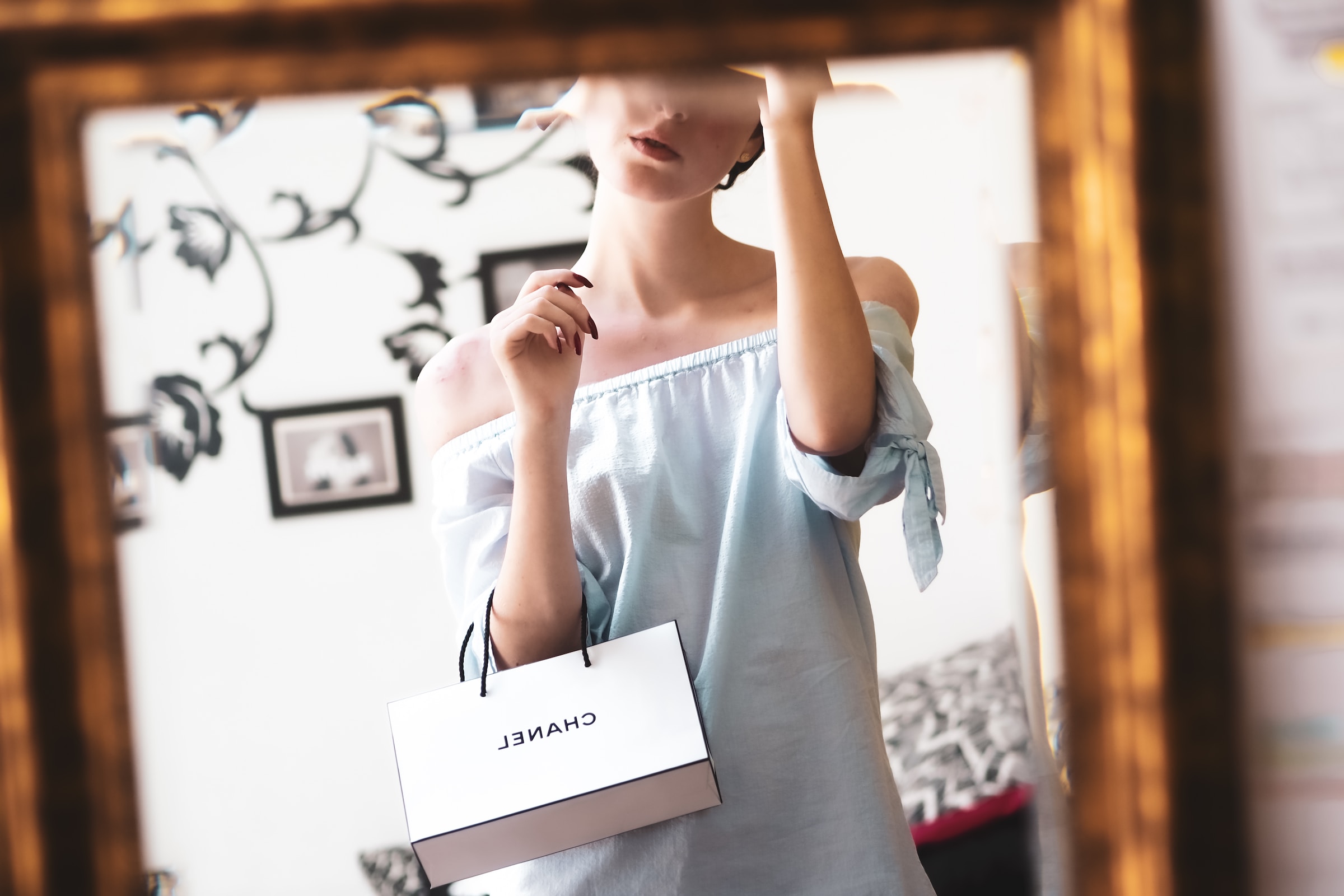
Photo: Laura Chouette/Unsplash