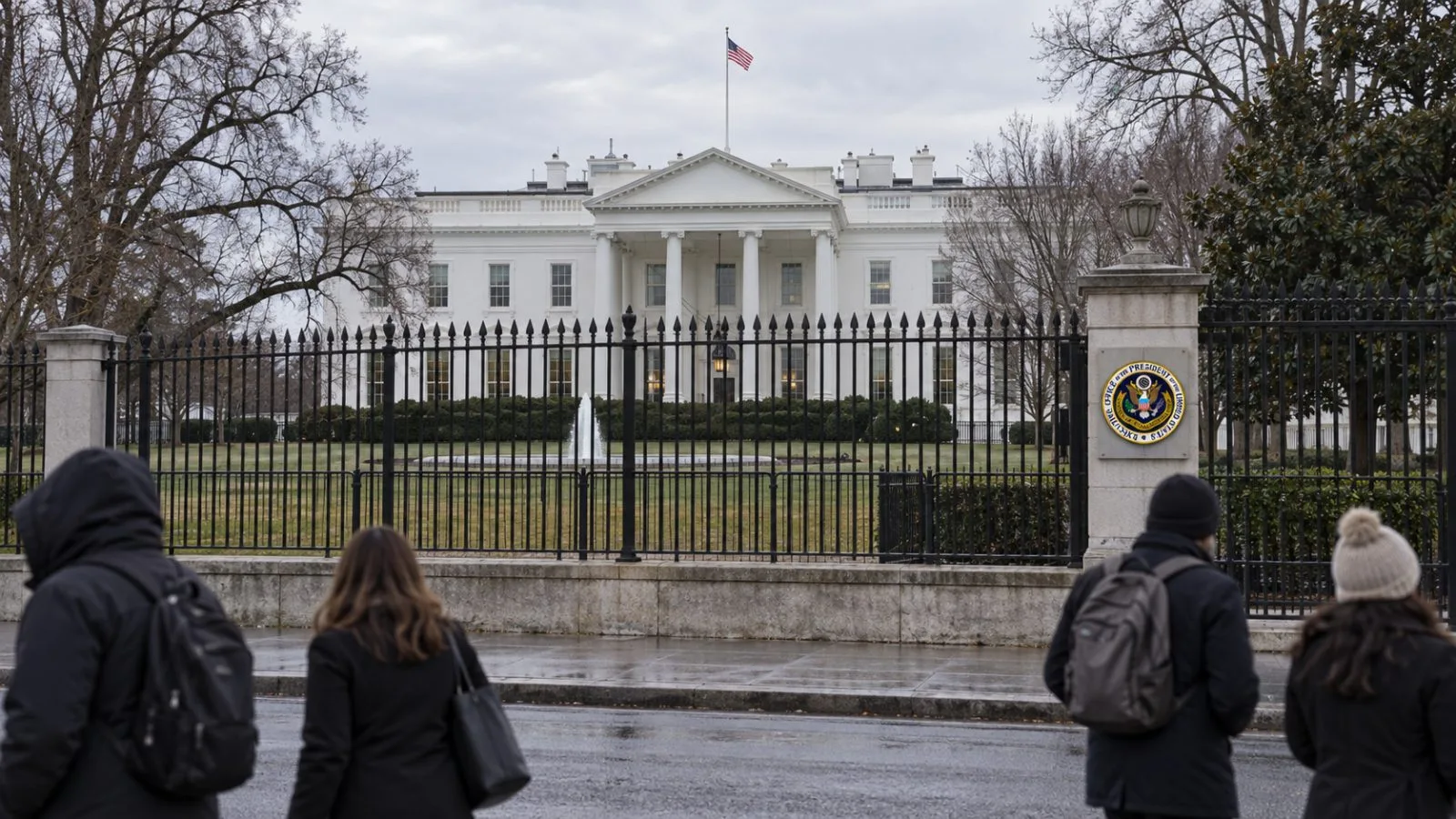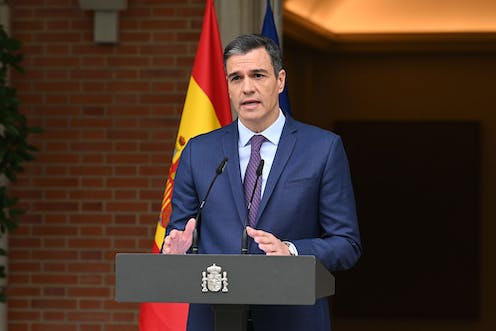
Spanish Prime Minister Pedro Sanchez arrived in China on Monday for his fourth visit in four years, reinforcing Spain's commitment to an independent foreign policy that has increasingly put him at odds with U.S. President Donald Trump. The trip signals Madrid's intent to treat Beijing as a strategic partner rather than a rival — a stance that directly contradicts Washington's position.
Spain has emerged as one of Europe's strongest advocates for deeper engagement with China, even as Trump has criticized Madrid over defense spending, denied landing rights to U.S. forces, and threatened consequences for NATO allies who resist American pressure. Sanchez's approach resonates with Spanish voters, though business leaders and opposition figures warn it risks damaging Spain's vital economic relationship with the United States, its largest foreign investor.
A key highlight of the visit is a formal meeting between Sanchez and Chinese President Xi Jinping, expected to focus on geopolitics, with Spain viewing China as a stabilizing global force. Sanchez will also visit Xiaomi's headquarters, attend a bilateral business forum, and deliver a speech at Tsinghua University. Meetings with Premier Li Qiang and top legislator Zhao Leji are also planned.
Trade remains a central concern. Spain's trade deficit with China has more than doubled over four years, reaching nearly $50 billion in 2025. Madrid hopes to boost agricultural and manufacturing exports to China to rebalance the relationship. Chinese investment in Spain has also surged significantly, climbing from €149 million in 2024 to €643 million in 2025. Officials are also working to finalize a poultry export agreement impacted by bird flu restrictions.
Despite the diplomatic symbolism of the visit, no major business deals are expected, and Sanchez has not brought a trade delegation — raising questions about whether the trip will yield concrete economic results or remain primarily a geopolitical statement.