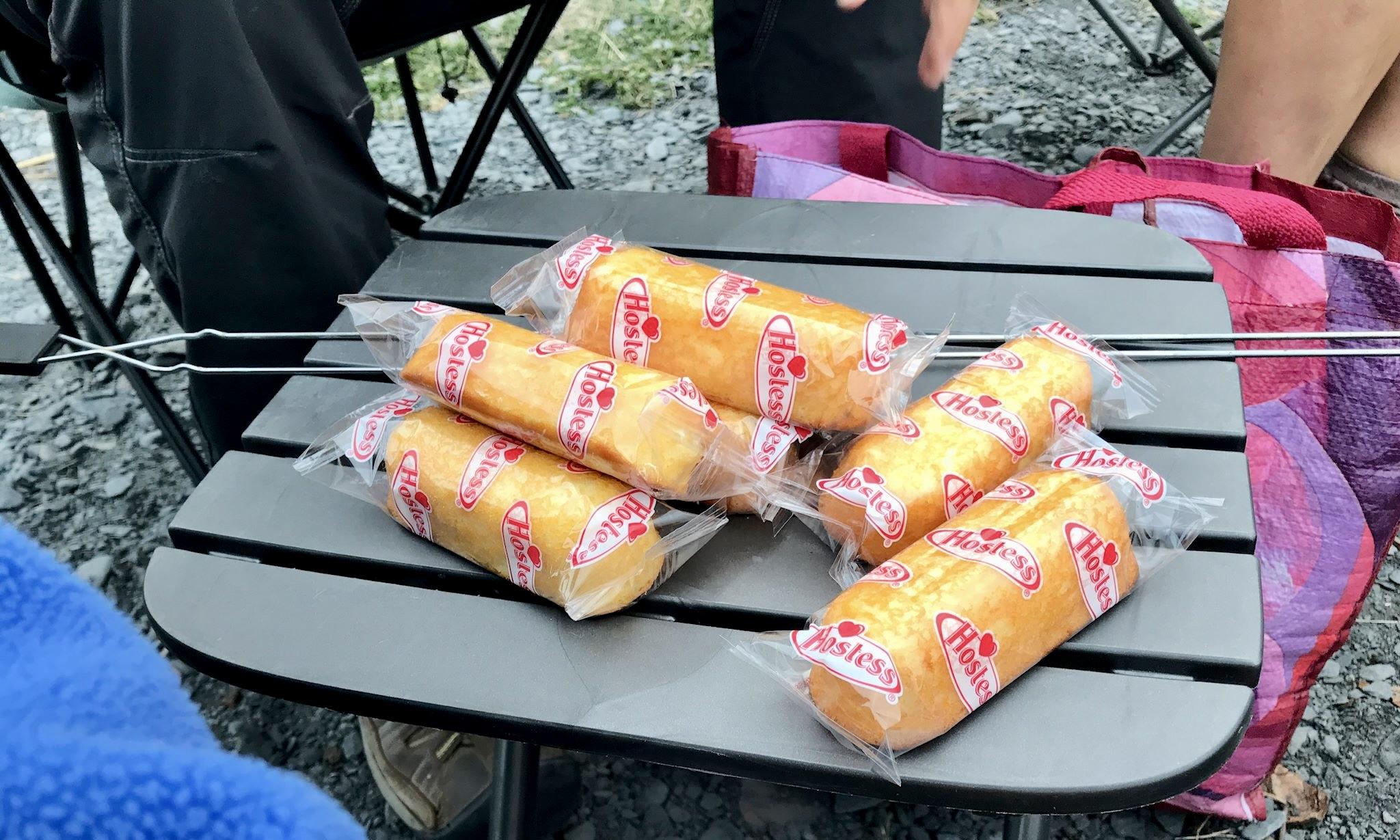
Hostess Brands Inc., the iconic maker of Twinkies, is reportedly contemplating a sale following interest from major snack industry giants, including General Mills and PepsiCo. Insider sources hint at active negotiations, with shares surging 26% upon the news.
The decision to explore a sale comes after Hostess recently implemented price increases on select products, aiming to drive revenue growth. This move, however, has raised concerns among investors regarding the company's prospects.
Several prominent corporations, including General Mills Inc., Mondelez International Inc., PepsiCo Inc., and Hershey Co., have expressed keen interest in acquiring Hostess and its coveted portfolio of iconic household brands. To navigate the complexities of the deal negotiations, Hostess has enlisted the guidance of renowned investment bank Morgan Stanley.
While the negotiations are still underway and no agreement has been reached, sources have requested anonymity due to the confidential nature of the discussions. Hostess and Hershey declined to comment on the matter, while queries to General Mills, Mondelez, PepsiCo, and Morgan Stanley are yet to be answered.
As news of the potential sale broke, Hostess' shares experienced a remarkable upswing of 26% in Friday afternoon trading, reaching $27.89, propelling the company's market value to almost $4 billion. However, it is important to note that, as of June, Hostess carried a significant debt net of cash, amounting to approximately $900 million.
Founded in 1930 and headquartered in Lenexa, Kansas, Hostess boasts an impressive lineup of beloved brands, including the iconic Ho-Hos, Ding Dongs, Zingers, and Voortman cookies and wafers.
Despite enduring bankruptcies in 2004 and 2012, the company has undergone substantial transformation under the leadership of entrepreneur Dean Metropoulos and private equity firm Apollo Global Management Inc.
By the close of 2020, Hostess had achieved a major milestone, generating over $1 billion in revenue through portfolio revitalization efforts. Hostess has managed to sustain revenue growth by implementing selective price adjustments as sales volumes fluctuated. In the second quarter, the company reported a year-on-year increase in net revenue, reaching $352.4 million, with gross profit surging by 11.8% to $126.0 million.
Photo: sf-dvs/Flickr(CC BY 2.0)