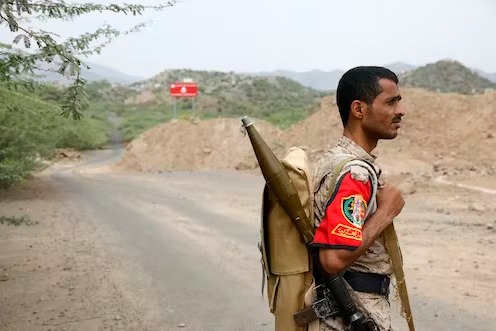
The Houthi takeover of strategic areas along Yemen’s Red Sea coast is shifting the Gulf balance of power, giving Iran greater leverage over Saudi Arabia and other Gulf states as disruptions threaten key global oil and shipping routes.
Control of positions near the Bab el-Mandeb Strait allows the Iran-aligned Houthis to pressure vessels using one of the world’s busiest maritime corridors. The development creates another major chokepoint as Iran restricts traffic through the Strait of Hormuz, potentially disrupting energy exports, lifting oil prices and fueling global inflation.
Saudi Arabia had redirected significant crude volumes toward Red Sea ports after the conflict effectively closed Hormuz. However, Riyadh shut its east-west oil pipeline on Friday following an attack, adding pressure to regional energy flows.
Middle East analyst Fawaz Gerges described the Houthi capture of strategic islands near Bab el-Mandeb as a "game changer," arguing that it significantly increases the group’s geopolitical and economic influence.
The escalating pressure is also encouraging Gulf countries to reconsider their relationship with Tehran. Gulf Arab foreign ministers had been scheduled to meet Iranian Foreign Minister Abbas Araqchi in Oman on Monday to discuss a possible arrangement governing shipping through Hormuz. The talks were postponed because of disagreements over their terms.
Omani Foreign Minister Badr Albusaidi said the delay was intended to build consensus while reaffirming Oman’s commitment to regional dialogue and stability.
Meanwhile, Iranian President Masoud Pezeshkian said he held positive discussions with UAE Crown Prince Sheikh Khaled bin Mohamed bin Zayed Al Nahyan during the BRICS summit in New Delhi, with both sides agreeing to focus on future cooperation.
Analysts say Gulf governments increasingly face a difficult strategic calculation. Iran’s geographic position beside crucial energy routes makes Tehran difficult to exclude from any lasting regional security framework.
The Houthis have also demonstrated their ability to survive years of Saudi-led military pressure while expanding their missile, drone and maritime capabilities. Their growing presence near Bab el-Mandeb now gives Tehran additional leverage as Gulf states weigh continued confrontation against renewed diplomacy with Iran.