It can be nerve-wracking to retire, and there are a number of different reasons for this. Some people might choose to delay retirement while others don’t even plan for it at all. No matter what your fears are, it is better to take care of them in the beginning. Dealing with your fears now will prevent a headache later.
Before going into the list, it is important to point out that so many people could help alleviate their fears by creating a retirement plan. Many use simple and free online retirement calculators like Vanguard’s Nest Egg Calculator. Others use more detailed and comprehensive retirement software such as the WealthTrace Retirement Planner. And other people hire a financial planner to create their retirement plan for them.
In no particular order, here are some of the biggest fears people have about retirement.
1. Using Up All Your Money
Many people worry about outliving their money. You might worry that your savings will go away because of high expenses. This is reasonable for some people who have not saved enough. Others live above their income.
Your first step is to create a plan for retirement. You should start this before you retire so that you can easily change anything before it is too late. It can help to get a financial planner to do this. That should leave you fairly confident about your assets and income to cover your expenses. You will want to leave room for expenses that you might or might not have. You do have some options if there is not as much money as you would like, including:
-
Spending less in retirement.
-
Spending less now and saving more.
-
Get an aggressive portfolio.
-
Work some during retirement.
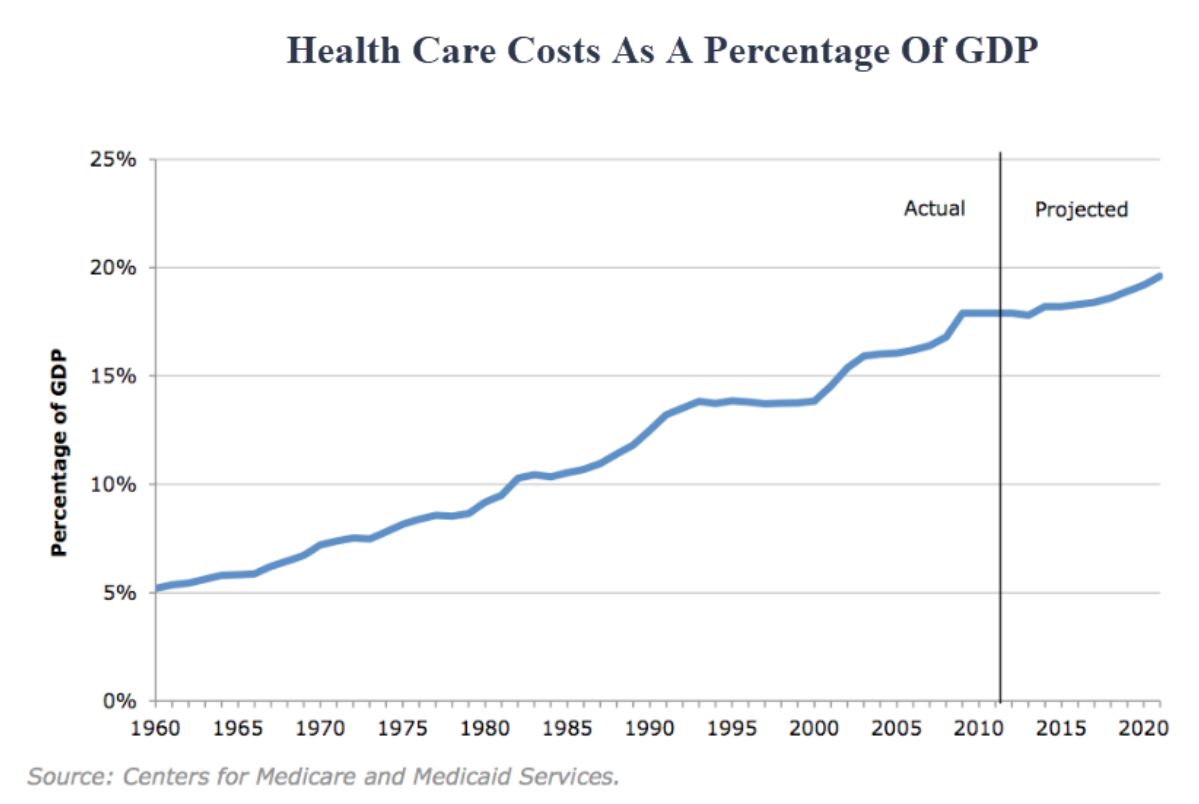
2. High Costs for Health Care
 us
us
In general, your spending on health care can increase with age. You can put these in your plan, but you might have an unexpected illness. Or your expenses might be higher than average. This is where having good insurance comes into play. You can get Medicare for your basics, but you will want to get Part B quickly. That way, you can avoid a 10 percent late penalty.
3. Poor Health
Besides paying for insurance and health care, you might worry that you will not be able to enjoy your retirement because of bad health. You might not be able to travel or do other fun things. Poor well-being is a concern as you get older, but you do have some control over it.
You can always improve your habits. You should avoid unhealthy things such as smoking, drugs, and excessive alcohol. Getting plenty of sleep and living a healthy lifestyle can help you avoid failing health during your golden years.
4. Needing Long-Term Care
Only a small percentage of people require long-term care, but you never know if you might be one of those individuals. It can be hard to plan for long-term care because you do not know how long it would last for. It can even break your retirement plan.
Medicare does not cover care for the long haul except for 100 days for a nursing home. You do have some options. For example, you can consider having one of your family members care for you. You might also find a home that takes Medicaid, and there are many great places that do. One option is to start as a patient paying privately and then switch to Medicaid.
5. Caring for an Older Family Member
Many retired people care for elderly family members, such as parents. Sometimes, they also help pay for this care as well. You might spend quite a bit of your money and time doing this, so it is a good idea to prepare mentally and financially. It is a good idea to encourage older family members to have healthy habits.
You can help them do Medicaid planning now. Many caregivers, such as you, can be reimbursed for home care through Medicaid.
6. Supporting Children
You might also need to think about your children during retirement. Many parents support their adult children. While it can be generous to sacrifice to help with your adult children’s finances, it is not always the smartest thing to do. It can be a good idea to help them create a budget so that they can be self-sufficient. It is better to put a limit on what you will give them ahead of time.
7. Having a Large Expense
Many people are afraid they will have a large, unexpected expense. However, besides long-term care or health expenses, many unplanned expenses are from accidents or natural disasters.
The good news is that many large expenses can be covered by insurance. For example, a home fire or a car accident are both insurable. Making sure that these issues will be covered is something you should not neglect. It is usually affordable to get this type of insurance. Some government programs are also available.
8. Boredom
Often, men experience boredom in retirement more than women. Many people find their identity in their career, and it takes up much of their time. They do not take up other interests or hobbies. When retiring, they feel they have nothing to do.
You can prepare for this by finding interests that are not related to your job. Consider testing out a “test” retirement. Make up a trial schedule and take a staycation for about two to three weeks. By planning how you use your time, you can have a fun, yet useful retirement.
9. Mental Decline
Keeping your mind active is a great way to prevent cognitive decline. Keep learning and reading. Think of something you enjoy that can stimulate your brain. This helps you stay mentally healthy.
Face your worries about retirement now before you end your career. Even if you have already retired, it is never too late to face your concerns about your golden years and make the most of them.
This article does not necessarily reflect the opinions of the editors or management of EconoTime