


 US Justice Department Drops Prosecution of Ex-CIA Analyst Sue Mi Terry
  IMF Warns US Debt Crisis Needs Fiscal Action, Urges China to Boost Consumption
  US Recalls Nicaragua Envoy After Ambassador Rejection
  China Warns Taiwan Over South China Sea Coast Guard Incident
  Netanyahu Rejects Preemptive Iran Strike Ahead of Israel Election
  Flavio Bolsonaro Backs Brazil’s 40-Hour Workweek Reform Ahead of Runoff
  Zelenskiy Says Ukraine Received No Warning Before Russian Missile Attack
  Italy’s Meloni Warns US-Russia Diesel Deal Could Weaken Ukraine Sanctions
  UN Urges Talks on Lebanon Peacekeeping Mission Extension
  SpaceX Starlink Restrictions Disrupt Ukraine Military Operations
  US Senate Midterms 2026: Key Races That Could Flip Control
  MI5 Warns of Rising Iran, Russia Threats and AI Bioweapon Risks
  Trump Denies Russia and China Are Helping Iran in U.S. Conflict
  Kim Jong Un Showcases ICBM Ahead of Possible Trump Meeting
  US Supreme Court Denies Release of Anti-ICE Activist Kyle Wagner
  Trump Warns Houthis Over Attacks, Considers Erdogan Intervention


 Add as a preferred source on Google
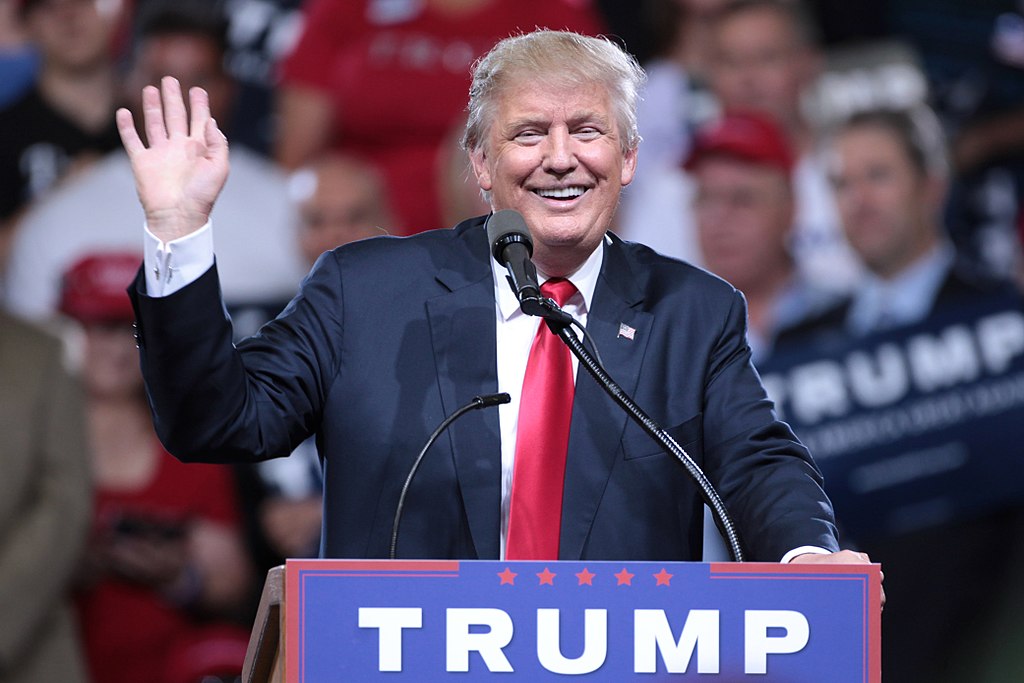
As President-elect Donald Trump prepares for his second term, his administration has outlined a controversial approach to addressing ethical concerns in scientific research funding. The plan, aimed at ensuring research aligns with "American values," has drawn both praise and criticism from scientific communities and advocacy groups.
In a statement released Monday, Trump pledged to overhaul federal science funding processes, prioritizing transparency and accountability. He highlighted the need to eliminate perceived political bias in research grants, arguing that taxpayer dollars should fund projects with practical applications benefiting the American public.
"We will ensure that funding decisions reflect the needs of our great nation, not the agendas of a few elites," Trump said during a press briefing.
However, the proposed policies, which include stricter oversight and potential redirection of funds from controversial fields, have sparked a heated debate among researchers and policymakers.
Transparency and Accountability or Restriction of Innovation?
At the heart of Trump’s plan lies a new advisory committee tasked with reviewing federally funded projects for ethical concerns and alignment with national priorities. This committee will include representatives from academia, government, and private industry.
Critics argue that the emphasis on "national priorities" may politicize scientific research, steering funding away from critical areas like climate change and reproductive health. Trump’s team has denied these claims, stating that the goal is to ensure fair distribution of resources and prevent misuse of public funds.
The administration also aims to establish clearer guidelines for conflict-of-interest disclosures, requiring grant recipients to detail any affiliations that may compromise research integrity. While transparency advocates applaud this move, others worry it could burden researchers with excessive bureaucracy.
Public Reaction: Divided Views on Ethical Oversight
The announcement has ignited a firestorm on social media, with netizens expressing contrasting views on Trump’s approach to scientific ethics.
- @ScienceFirst2025: "Finally, a president who understands the importance of accountability in research funding! This is long overdue."
- @ClimateConcerned: "Trump’s ‘ethics’ plan is just an excuse to cut funding for climate research. We see right through this."
- @EthicsMatterNow: "Transparency is key, but will this lead to more censorship of critical research? Scientists deserve independence."
- @FreedomToResearch: "Political priorities should never dictate scientific funding. This will stifle innovation and set us back decades."
- @ProudPatriotUSA: "It’s about time someone ensured our tax dollars aren’t wasted on useless, politically motivated studies!"
- @ScienceFreedom88: "Trump’s interference in research is dangerous. Science thrives on independence, not government agendas."
Challenges and Implications for the Scientific Community
While Trump’s plan aims to address ethical concerns, experts caution that excessive oversight could hinder progress in critical fields. Balancing accountability with academic freedom remains a key challenge.
Advocates for ethical reform argue that increased transparency will restore public trust in science. However, they warn that limiting funding to projects deemed politically acceptable risks undermining the objectivity of scientific inquiry.
Moreover, researchers worry that redirecting funds away from controversial areas could create a chilling effect, discouraging innovation and deterring young scientists from pursuing careers in high-stakes fields.
As the administration finalizes its policies, the scientific community and advocacy groups are urging policymakers to strike a careful balance between accountability and independence.







