


 China Resumes US Soybean Purchases After Trump-Xi Summit
  SpaceX Starlink Restrictions Disrupt Ukraine Military Operations
  US Supreme Court Denies Release of Anti-ICE Activist Kyle Wagner
  Flavio Bolsonaro Backs Brazil’s 40-Hour Workweek Reform Ahead of Runoff
  UN Urges Talks on Lebanon Peacekeeping Mission Extension
  Netanyahu Rejects Preemptive Iran Strike Ahead of Israel Election
  US Senate Midterms 2026: Key Races That Could Flip Control
  Italy’s Meloni Warns US-Russia Diesel Deal Could Weaken Ukraine Sanctions
  Trump Confirms US Intelligence Sharing With Ukraine Amid Russian Strikes
  Gaza Olive Harvest Collapses as War Destroys Farmland
  Kim Jong Un Showcases ICBM Ahead of Possible Trump Meeting
  US Recalls Nicaragua Envoy After Ambassador Rejection
  Zelenskiy Says Ukraine Received No Warning Before Russian Missile Attack
  Zelenskiy Seeks New US Talks to Revive Ukraine-Russia Peace Negotiations
  US Justice Department Drops Prosecution of Ex-CIA Analyst Sue Mi Terry
  Container Ship Sinks in Strait of Hormuz as Iran Attacks Escalate
  Trump Denies China, Russia Are Helping Iran in War


 Add as a preferred source on Google
Russia's newly unveiled hypersonic missile, the Oreshnik, has heightened global concerns about military stability and security in Europe. A map shared on Telegram by Russian propaganda channels and amplified by Anton Gerashchenko, a former Ukrainian official, reveals the missile's alarming strike capabilities. With a potential approach time of under 10 minutes to key European cities, including London and Paris, the Oreshnik underscores the escalating geopolitical tensions.
The Oreshnik, which translates to "hazel tree," was unveiled during a November 21 test that saw it reach a blistering speed of Mach 11 (8,400 miles per hour). Russian President Vladimir Putin boasted of its capabilities, stating that "no countermeasures currently exist." He claimed the missile could evade modern air defense systems, including those developed by the United States and deployed in Europe.
According to reports, the Oreshnik can travel from Brest, Belarus, to a U.S. Air Force base in southern Romania in just 5.5 minutes. Similarly, a base in Poland could be reached in 3.2 minutes. While the missile's range of 5,500 kilometers (3,418 miles) is insufficient to strike the U.S. mainland, it puts American military assets in Europe and the Middle East within its crosshairs.
Deployment in Belarus Raises Strategic Alarms
The decision to transfer Oreshnik missiles to Belarus has added another layer of concern. Belarusian President Alexander Lukashenko, one of Putin's closest allies, announced that "a few dozen" missiles had already been delivered. The missiles are set to be operational by 2025, with Belarus' state-owned manufacturer, MZKT, slated to produce launch systems.
The strategic placement of these missiles in Belarus, a nation bordering several NATO countries, has raised red flags across the West. Experts worry this could destabilize an already fragile security environment in Europe and further strain relations between NATO and Russia.
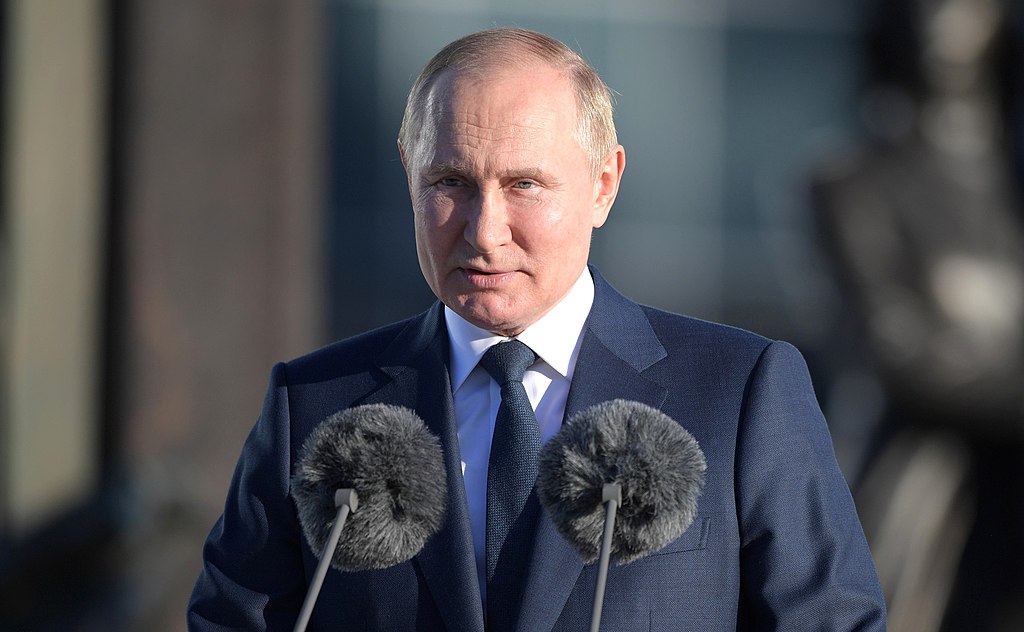
Putin has justified the deployment as a necessary response to perceived threats against Russia's national security. He declared that Russia reserves the right to target military facilities in countries that allow weapons to be used against Russian assets.
Netizens React to Alarming Missile Capabilities
The news of Oreshnik’s capabilities and deployment sparked intense debates on social media, with many expressing fear and frustration. Here are some reactions:
- @GlobalWatcher: “Hypersonic missiles stationed in Belarus? This feels like a modern-day Cuban Missile Crisis.”
- @NATOObserver: “NATO needs a united response to Russia's saber-rattling. These missiles are a direct provocation.”
- @PeaceAdvocate: “We’re entering a dangerous phase of geopolitics. Diplomacy must prevail before it’s too late.”
- @TechWarrior: “If true, these speeds make the Oreshnik nearly impossible to intercept. Scary times ahead.”
- @Defender2025: “Belarus hosting Russian missiles? Lukashenko is playing a dangerous game.”
- @EagleEye: “The West should’ve acted sooner to prevent this. Now we’re playing catch-up.”







