


 RBI Uses $10 Billion Currency Swaps to Drain Excess Rupee Liquidity
  Gold Prices Fall Amid Rate Jitters; Copper Steady as China Stimulus Eyed
  Australia Consumer Confidence Plunges as RBA Rate Hike Hits Households
  FxWirePro: Daily Commodity Tracker - 21st March, 2022
  RBI Raises Repo Rate to 5.50% in Hawkish Shift on Inflation Risks
  BOJ Signals Faster Rate Hikes as Inflation Risks Grow
  Fed Minutes Signal Another Rate Hike by Year-End


 Add as a preferred source on Google
Many short-term interest rates have already shifted higher due to expectations for a Fed hike. Indeed, 1- and 3-month bill, discount note, LIBOR, and commercial paper rates have recently moved higher and now trade near levels where they are expected to settle after the first rate hike. However, some moves in these frontend rates appear a bit overdone with 6- and 12-month bills trading quite cheap to OIS and 3Mx3M nominal forward rates trading above 75 basis points.
In addition, the overnight GCF repo rate has also moved higher over recent days, which reflects both expectations for Fed action as well as dealer demand to net down balance sheet around year-end. Moves in fed funds have lagged repo which is likely due to bank borrower reluctance to offer higher levels until IOER increases. The fed funds effective is expected to initially trade in the lower part of the 25 to 50 basis point band at around 32 to 34 basis points.
The ON RRP to effective fed funds rate spread (which has averaged 7 to 9 basis points) will stay relatively constant after liftoff. Fed funds lenders that don't have access to the ON RRP facility or those that desire an early return on their fed funds sales may have decreased the bargaining power as overall rates move higher. Future changes to the calculation of the fed funds effective, may also bias the rate lower starting in the first few months of next year.

- News

- Economy

- Central Banks
- Investing
- Research
- Roundups
- Digital Currency
- Insights
- Technical Analysis
- Technology
- Business
- Law
- Health
- Nature
- Fintech
- Science
- Topic
- Opinions
- ©Econometrics LLC . All Rights Reserved.
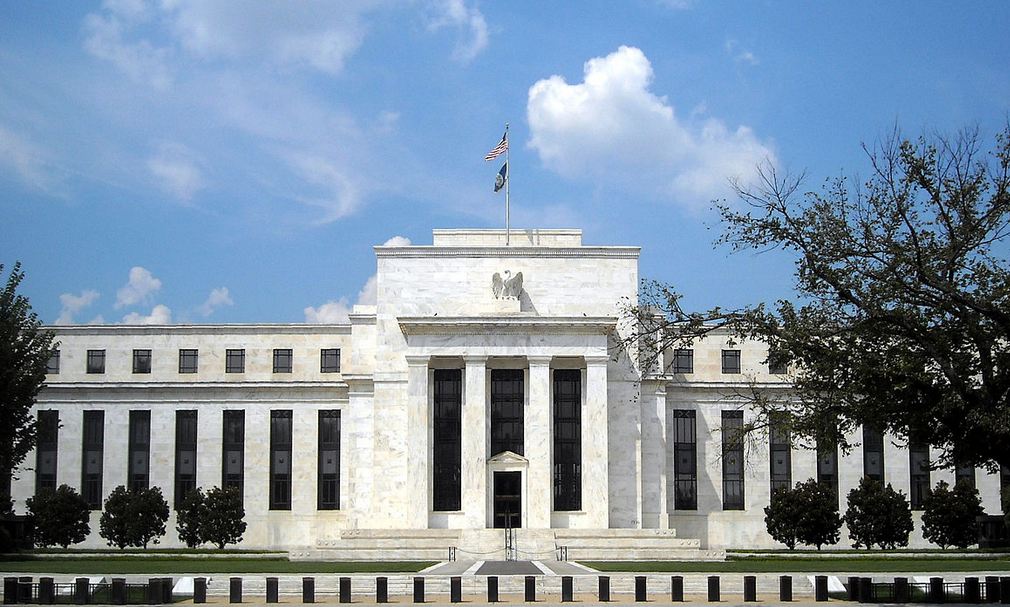
How will money markets respond to the Fed liftoff ?
Tuesday, December 15, 2015 11:27 PM UTC
Editor's Picks



- Market Data
Most Popular




