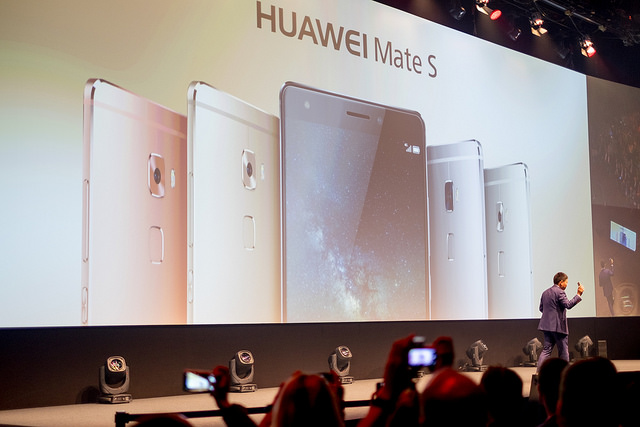
Facebook admitted on Tuesday to letting Chinese companies collect user data through their smartphone and computer products. But Huawei has washed its hands of this.
On Wednesday, Huawei denied collecting private data through an agreement with the social media giant. The latter had previously revealed in a New York Times report that it has been letting several Chinese tech manufacturers have access to user data since 2010.
Other companies identified as Facebook’s partners in these agreements are current Blackberry maker TCL, Oppo and Lenovo.
Huawei is currently known as the third largest smartphone manufacturer in the world, following Apple and Samsung. But it has been caught in several scuffles with the United States government over allegations that its hardware products were being used for spying activities. Needless to say, the new issue of collecting Facebook user data is another major challenge for Huawei’s credibility in the international market.
Meanwhile, Huawei spokesperson Joe Kelly told AP in a text message that its data-sharing partnership with Facebook was strictly meant to aid in making social media use more convenient for Huawei smartphone owners.
According to the Times report, Facebook’s agreements with the said Chinese companies were still active, though their partnership with Huawei will reportedly expire within this week.
Facebook told the Times that the Chinese companies were given access to user data without having them transmitted to a remote server. This means the collected user data purportedly remained on smartphones and computers.
“All Facebook’s integrations with Huawei, Lenovo, Oppo and TCL were controlled from the get-go — and Facebook approved everything that was built,” Facebook VP Francisco Varela said, as quoted by the Times. “Given the interest from Congress, we wanted to make clear that all the information from these integrations with Huawei was stored on the device, not on Huawei’s servers.”
Facebook echoed Kelly’s statement that the data-sharing deals with these companies were meant to improve people’s social media experience on smartphones at a time when mobile apps were not yet popularly used or developed.
The social media company also admitted to having the same agreements with North America-based companies such as Apple, Amazon and Blackberry, as well as South Korean tech giant Samsung.