


 Trump Buys Up to $25M in Meta Stock, Invests in SpaceX Debt
  TSMC Profit Set to Surge 65% as AI Chip Demand Drives Record Earnings
  OpenAI Revenue Hits $50 Billion, Below Earlier $70 Billion Estimate
  Jameson Lopp Downplays AI Threat to Bitcoin Cryptography
  Elon Musk Eyes Semiconductor Manufacturing Expansion With $15 Billion Terrafab Project
  Moonshot AI Executives Seek Settlement Ahead of Hong Kong IPO
  Apple Names Steve Smith M&A Chief in Leadership Shakeup
  Epic Games Delays Disney Shooter, Shifts to AI-First Development
  Solidigm Taps Goldman, Morgan Stanley for $10 Billion US IPO
  Nvidia’s China AI Chip Market Share Falls to 34% as Huawei Gains Ground
  Apple Cuts iPhone 18 Pro Production Orders Amid Weak Demand
  Robinhood Chain Eyes Priority Gas Auctions for Faster Trades
  Tencent Shares Fall as $5 Billion AI Bond Sale Weighed
  Yandex Data Center Hit by Drone Strike as Russia-Ukraine Cyber Infrastructure Attacks Escalate


 Add as a preferred source on Google
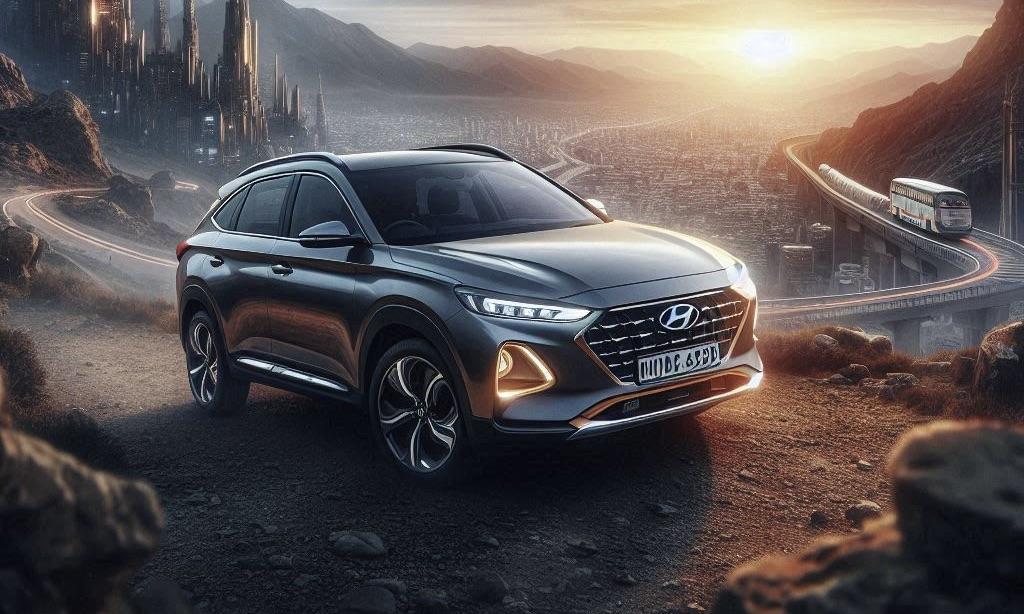
Hyundai Automotive South Africa aims to return to fourth place in market share by introducing new models and initiatives, including the refreshed i20 hatchback and the upcoming Exter SUV, which will debut in September.
Hyundai Targets Market Share Boost with New Models and Initiatives to Reclaim Fourth Place
According to Hyundai SA sales and operations director Stanley Anderson, Hyundai has set itself the goal of returning to fourth place (in terms of market share) in the combined passenger and light commercial vehicle market.
The local importer fell from fourth place last year to sixth place for the year-to-end May and is now behind Toyota, Suzuki, Volkswagen, Ford, and Nissan. It sold roughly 1,900 fewer units in the first five months of the year than over the same period last year.
Anderson thinks that the Motus-group company will be able to regain lost ground by introducing various new models and initiatives, such as a refreshed i20 hatchback introduced this month and a new small sports-utility vehicle (SUV) imminently due from India.
The Exter SUV is scheduled to make its local début in September and is constructed on the Grand i10 platform.
As cash-strapped consumers persist in pursuing value-for-money offerings from vehicle manufacturers, this model will grant Hyundai access to a highly sought-after segment of the South African market.
Hyundai Expands Compact Cargo Lineup to Boost Sales and Capture New Customer Segments
According to Anderson (via Engineering News),, Hyundai SA is also focusing on the compact cargo market with its new Venue Cargo and Grand i10 Cargo models, which are expected to sell an additional 100 units per month.
The company is acquiring customers, including security companies and pathology groups, who may have previously purchased the now-defunct NP200 half-ton bakkie to transport their products.
Hyundai has also resumed participation in the government procurement market, as evidenced by the popularity of its Staria minibus.
“We also need to sell more of what we have available to the market,” says Anderson. “This includes the H100 bakkie. We usually do 200 a month, and we would like to sell 250 a month.”
Anderson maintains that Toyota and Suzuki are the most significant competitors in the R300 000 to R500 000 segment despite the increasing sales of Chinese competitors. Conversely, Chinese brands, including the famous Toyota Cross, have gained market share in the R300,000 to R500,000 segment.
Anderson anticipates that more Chinese importers will enter the domestic market.
In terms of the domestic market's longevity, he states that newcomers may still need to be improved by long-term durability, high gasoline consumption, and the availability of accident parts, even though these brands offer attractive styling.
Photo: Microsoft Bing







