


 Trump Calls for Zelenskyy Replacement Amid Russian Diesel Deal
  UK Finance Minister Healey Calls for Fiscal Discipline Amid Global Risks
  PepsiCo Slashes Poppi Earnout Valuation as Growth Slows
  INWIT Shareholders Explore $7.1 Billion Take-Private Deal
  Wall Street Falls as Oil Prices Rise and Tech Stocks Slide
  Oil Prices Trim Gains After Trump Rules Out Iran Strikes Before Midterms
  Orsted to Take Full Ownership of UK Offshore Wind Farm for £15 Million
  Canton Network Expands in South Korea With Major Partnerships
  Trump Defends Russian Diesel Deal Amid US Sanctions Backlash
  Fed's Hammack Urges Faster Rate Hikes to Fight Inflation
  US Dollar Rises for Fourth Week as Fed Rate Hike Bets Grow
  European Stocks Rise as Oil Prices Fall Ahead of US CPI
  IMF, World Bank Meetings Face Global Economic Risks Amid Iran War
  Ethereum Foundation-Linked Wallets Move $11.13M in ETH to Kraken
  Wall Street Ends Mixed as Investors Await CPI and Bank Earnings
  Amazon in Talks to Acquire AI Startup Decart for $7 Billion
  US, EU Push for Action Against Asia’s Excess Factory Capacity


 Add as a preferred source on Google
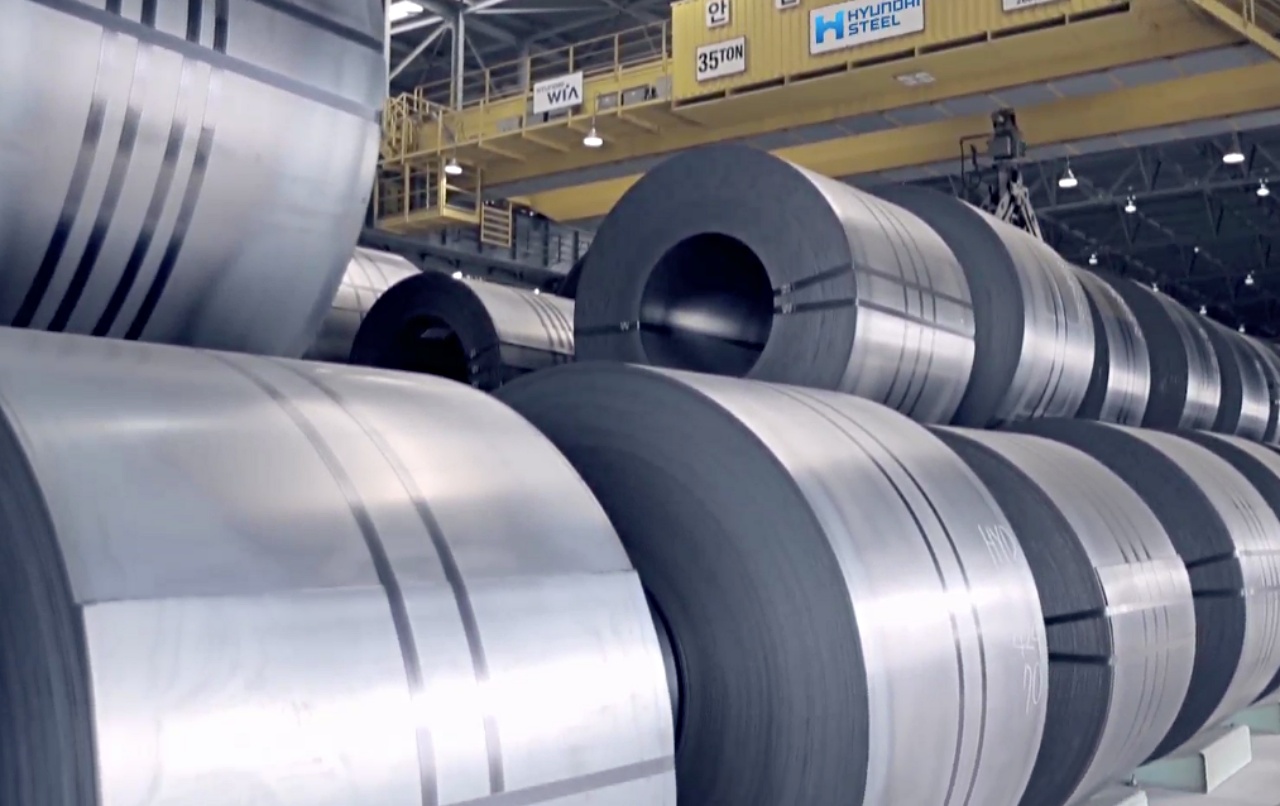
Hyundai Steel said last week it would unload its unit in China called the Hyundai Steel Beijing Process. The company said it made the decision due to slow sales in recent years in addition to the diminished market share of Hyundai Group’s auto manufacturing firms - Hyundai Motor and Kia Motors in China.
As per The Korea Herald, while Hyundai Steel is getting rid of its steel processing subsidiary, it will continue operating its Tianjin unit to keep its business in China going. It was said that the total assets owned by the South Korean steelmaker’s Beijing unit are estimated to be about KRW464.8 billion or $355 million.
Based on its regulatory filing, Hyundai Steel stated its total real estate assets are worth about KRW382.3 billion won. A company official said that the size of the deal is not yet on paper because the due diligence process for the acquisition has yet to start.
"Hyundai Steel has completed signing a memorandum of understanding with a potential buyer for the Beijing plant,” an official of Hyundai Steel said. “The company will soon engage in pre-acquisition due diligence and finish selling its Beijing unit during the first half."
It was in 2002 when Hyundai Steel Beijing Process was built on a site close to production plants owned by Hyundai Motor and Kia. The facility supplied various steel products to the said vehicle factories.
Until 2016, the Beijing unit has been posting an annual operating profit between KRW10 billion and KRW20 billion. However, when China and South Korea’s economic relationship soured due to the latter’s deployment of the US THAAD anti-missile system, the company’s performance started to decline, and sales of Hyundai Motor and Kia cars also dropped in the process.
The carmaker’s share in the Chinese car market went down from 3.59% to 3.43% percent in 2019, and this continued to plummet until it reached 1.21% last year. Kia’s record fell from 1.68% in 2018 to 0.43% in 2022.
The Korea Times stated that the rapid losses also resulted in the decline of sales for the Hyundai Steel Beijing Process. It posted a net loss of KRW49.6 billion in 2021. Meanwhile, the poor performance of the steel firms was partly blamed on China's boosted capability to make its own steel materials and sell them at a lower price.







